
1. Introduction to Car Resale in 2026
Right now, picking a car means thinking hard about what it will be worth later. Not just which model feels right, but how much money you keep when moving on. If trading in or selling soon, the rebound price shapes whether things go smoothly or not. With costs climbing through 2026, knowing the rhythm of used pricing matters more than before. Market shifts happen fast – staying alert helps avoid surprises down the road. What buyers want changes; matching that keeps value steady when handing keys to someone else.
Most folks want some cash back once they trade in their ride later. Car Resale That return depends on what’s left of its worth after years on the road. When a model holds its price well, owners lose less money over time. But if a car drops too fast in value, walking away from it stings the wallet hard. So now, plenty peek at future pricing charts long before signing any papers.
Car Resale Back then, trading in a vehicle meant driving around to show it off without knowing much about value. These days, websites pull back the curtain on pricing so sellers see what others pay. Instead of relying solely on dealer offers, owners now reach buyers through apps and listings. Because of this change, turning a car into cash takes less time than before. Speed meets choice where once there was only guesswork and phone tag.
Most cars cost less each year. This drop isn’t always the same – some lose worth slowly, others fast. Brand plays a role; trusted names hold price better. Think Toyotas versus unknown imports. A vehicle’s shape counts too – a rust-free body keeps bids up. Mileage tells its own tale: fewer miles means more money back later. Demand swings matter. Car Resale When everyone wants SUVs, sedans slip. Condition opens doors: clean interiors and service records help. Past ownership can lift offers – or sink them – if history shows neglect.
One big thing shaping car sales in 2026?
What people want keeps shifting. Since electric cars and hybrids have grown popular, shoppers now pay closer attention to how much gas a vehicle uses – along with its environmental impact. Because of this, the used car world is feeling pressure: clean-running new models attract more interest than aging ones built around gasoline engines.
Most folks checking out used cars care about what’s happened before. Car Resale A vehicle’s past – how often it was serviced, who owned it, any crashes – affects how much it’s worth later. These days, people tend to pick rides with full paper trails and no red flags. Looking after your car matters. So does saving every receipt and report. When the time comes to sell, those habits might just add extra cash to the offer.
Car Resale Timing matters just as much for those looking to sell. Before big value drops happen, or when updates are about to roll out, moving your vehicle can mean more cash in hand. People buying need to think ahead too – how well a car holds its worth makes a difference down the road. Years pass. The choice still pays off.
Looking ahead, owning a car in 2026 means thinking about selling it later – resale isn’t accidental anymore.
Knowing what drives value helps people choose wisely when buying or listing. Decisions shaped by insight tend to pay off more down the road. Car Resale Because markets shift, awareness matters just as much as timing.Car Resale Those who learn the patterns often walk away with better deals. Right now, picking a car means thinking hard about what it will be worth later. Not just which model feels right, but how much money you keep when moving on.
Car Resale If trading in or selling soon, the rebound price shapes whether things go smoothly or not. With costs climbing through 2026, knowing the rhythm of used pricing matters more than before. Market shifts happen fast – staying alert helps avoid surprises down the road. What buyers want changes; matching that keeps value steady when handing keys to someone else.
Most folks want some cash back once they trade in their ride later. Car Resale That return depends on what’s left of its worth after years on the road. When a model holds its price well, owners lose less money over time. But if a car drops too fast in value, walking away from it stings the wallet hard. So now, plenty peek at future pricing charts long before signing any papers.
Car Resale Back then, trading in a vehicle meant driving around to show it off without knowing much about value. These days, websites pull back the curtain on pricing so sellers see what others pay. Instead of relying solely on dealer offers, owners now reach buyers through apps and listings. Because of this change, turning a car into cash takes less time than before. Speed meets choice where once there was only guesswork and phone tag.
Car Resale Most cars cost less each year. This drop isn’t always the same – some lose worth slowly, others fast. Brand plays a role; trusted names hold price better. Think Toyotas versus unknown imports. A vehicle’s shape counts too – a rust-free body keeps bids up. Mileage tells its own tale: fewer miles means more money back later.
Car Resale Demand swings matter. When everyone wants SUVs, sedans slip. Condition opens doors: clean interiors and service records help. Past ownership can lift offers – or sink them – if history shows neglect.
One big thing shaping car sales in 2026? What people want keeps shifting. Since electric cars and hybrids have grown popular, shoppers now pay closer attention to how much gas a vehicle uses – along with its environmental impact. Because of this, the used car world is feeling pressure: clean-running new models attract more interest than aging ones built around gasoline engines.
Most folks checking out used cars care about what’s happened before. Car Resale A vehicle’s past – how often it was serviced, who owned it, any crashes – affects how much it’s worth later. These days, people tend to pick rides with full paper trails and no red flags. Looking after your car matters. So does saving every receipt and report. When the time comes to sell, those habits might just add extra cash to the offer.
Car Resale Timing matters just as much for those looking to sell. Before big value drops happen, or when updates are about to roll out, moving your vehicle can mean more cash in hand. People buying need to think ahead too – how well a car holds its worth makes a difference down the road.Years pass. The choice still pays off.
Car Resale Looking ahead, owning a car in 2026 means thinking about selling it later – resale isn’t accidental anymore. Knowing what drives value helps people choose wisely when buying or listing. Decisions shaped by insight tend to pay off more down the road. Because markets shift, awareness matters just as much as timing. Those who learn the patterns often walk away with better deals.
2. Top Cars with Best Car Resale Value in 2026
One way to get more back later? Pick a vehicle that keeps its worth over time. Come 2026, some makes and types stand out when it comes to holding price after sale because they work well, stay wanted, and please drivers day to day. Car Resale Thinking about picking up a fresh model or passing on your current ride? Being aware of what holds pricing strength really shifts outcomes.
Most cars lose value fast, yet some keep strength in India’s secondhand trade. Take Maruti Suzuki – its name pops up again and again for holding price over time. Car Resale The Swift doesn’t vanish from buyer interest, even with age showing. Over at Baleno owners, many find quick buyers without slashing quotes. Even the small WagonR sticks around as a go-to pick for those watching budgets. Cheap running costs help, sure, but so does finding repair shops everywhere. Because so many trust these models, bidding stays strong when they hit listings. Older ones still pull attention, simply due to how common they feel.
Car Resale Hyundai grabs attention when it comes to cars holding their worth. Models such as the i20, Creta, and Verna draw interest thanks to sharp looks, up-to-date tech, along with dependable builds. Because of these traits, they tend to keep higher prices when resold – this pulls in people on either side of a deal. What helps? Car Resale A mix of smooth driving feel paired with everyday ease keeps them wanted later down the road. Few brands manage that blend quite like this one does.
Car Resale Some folks eyeing top-tier choices tend to see Toyota as a leader when it comes to holding value over time. The Innova Crysta along with the Fortuner stand out due to toughness and steady buyer interest. Years down the road, despite heavy use, they still fetch strong prices in used markets. Owning one makes sense if getting back most of what you paid matters to you.
Car Resale Most times, hatchbacks hold their price better when sold later, thanks to low costs and strong city appeal. Sedans stay competitive too – especially if they sip less fuel and feel smooth while riding. Lately, SUV interest has jumped sharply, lifting how much these cars fetch later.Car Resale Compact and mid-sized ones sell fast, often ending up in homes with kids.
One big shift in used car markets by 2026? Fuel choice matters more than before. In cities, petrol-powered cars remain common; on highways, diesel stays strong for heavy travel. Car Resale Yet electric models are changing things slowly.
Car Resale Even though secondhand EVs aren’t fully settled yet, well-known versions now lose less worth – thanks to better access to chargers nearby. Resale confidence grows where power points spread.
Most folks don’t think about it first, yet what makes certain vehicles hold their worth clearer becomes obvious over time.
Car Resale Reputation matters a lot – names people trust often keep value longer. Because repairs stay affordable and replacements parts show up fast, some models just move faster when sold later. Picture this: a car seen everywhere, fixed without fuss – that one usually sells for more.
Car ResalOne thing becomes clear when picking a vehicle – holding its worth over time cuts expenses down the road. Maruti Suzuki, Hyundai, and Toyota still lead in what people will pay later, mixing trust with smart value. Years pass, yet some cars keep standing tall in price thanks to thoughtful picks made early on.
3. Key Factors That Affect Car Resale Value

Most folks overlook how much info shapes used car prices. These days, numbers tell clearer stories than ever – especially now that shoppers dig deep into details. By 2026, nothing slips past alert buyers checking every angle of a deal. Clarity rules; guesses fade. Smart moves come from seeing what really matters under the surface. Secondhand deals hinge less on luck, more on insight. Anyone trading wheels benefits from knowing the real score behind pricing.
Car Resale Much rides on how a brand is seen when it comes to selling a car later. Vehicles wearing names such as Maruti Suzuki, Hyundai, or Toyota often lose less value over time. Because these companies deliver steady performance, affordable upkeep, and wide-reaching support, people feel safer buying them used. That trust shows up clearly in what buyers are willing to pay.
Besides features, how the car has been treated really matters. When it looks cared for, buyers see more worth in what they’re seeing. Servicing on time, clear cabin air, unmarked surfaces outside – all these shape first reactions. Little things stand out: no chips in the finish, bulbs that work, rubber on wheels still thick enough. What seems minor at glance often tips the number someone will offer.
A car’s odometer reading plays a big role in how much it’s worth later. Less distance traveled usually means fewer miles behind the wheels, so buyers tend to like them more. When a vehicle has seen many roads, engines might show signs of strain, hinting at repairs down the road. That sense of extra wear often nudges the selling amount downward.
Car Resale Older models usually sell for less – time chips away at price. Even so, not every make fades at the same pace. Certain brands slip slower, particularly ones built tough. Think trucks that keep running past 200,000 miles. Picking one of these early shapes what you gain later when selling. What rolls off the lot today affects payout years down the road.
Car Resale Most people looking to buy a used car pay close attention to its past care. Knowing repairs were done on schedule makes the vehicle feel more reliable. Registration details, active insurance, along with emission test results need current dates. When paperwork is clear and consistent, confidence grows without needing extra talk. Full records often lead to smoother talks when price comes up.
Right now, small SUVs move fast because folks want them. Popularity pushes prices up when it comes time to sell. Fuel-sippers hold value well thanks to steady interest. Car Resale Vehicles falling behind tech curves often sit too long on lots. High demand means quicker sales, fewer discounts. Models losing favor face tougher competition for attention.
What people search for shapes what sells – and how much it brings in.
Electric cars are slowly becoming more common, with better resale chances as charging networks grow. Most buyers still go for petrol models out of habit. Long highway trips tend to favor diesel engines. Shifts in what fuels people choose can reshape secondhand prices by 2026.
When it comes to Car Resale how much a car is worth later, things like who made it, how worn it looks, how many miles are on it, how old it is, and what buyers want right now really matter. Paying close attention means you might get more money back when letting go of your vehicle while also helping choose smarter next time.
4. How to Increase Your Car Resale Value
Car Resale Start by thinking how clean tires might boost what someone will pay. Come next year, lots of used cars sit waiting for buyers who pick carefully. A fresh coat of wax or fixing tiny dents could tilt their decision fast. Little things stand out when choices pile up on dealership rows.
Keeping a Car Resale running well often means selling it for more later. Sticking to the maker’s recommended checkups helps everything stay in working order. Visits to official repair spots – think Maruti Suzuki, Hyundai, or Toyota – make future owners feel sure about what they’re buying. When engines are cared for, rides tend to feel steady and strong. Buyers notice that kind of care when deciding.
Car Resale Staying on top of paperwork matters when aiming for better resale value. The moment any document lapses, interest from buyers tends to drop off fast. Think about the RC – keep it current without gaps. Insurance must reflect active coverage at all times. A valid PUC shows attention to basic compliance.
Car Resale Service logs tell their own story over time. When everything lines up neatly, trust grows quietly between buyer and seller. Fewer doubts mean fewer reasons to negotiate downward. Little delays scare some people away. Clean records remove friction. That peace of mind often ends in a stronger offer.
Most folks judge a car fast when they see it. Looks matter plenty at resale time. Shine matters more than age sometimes. Wash often, fix small scratches, keep surfaces smooth. That outside glow sticks in memory later on. Inside counts just as much, really. Wipe down seats after spills happen. Skip eating messy stuff while driving helps too. All buttons working makes people nod slow. Car Resale Cracks in dashboards tell stories nobody wants. Fresh smell beats air fresheners any day. Little care spreads across every corner eventually.
Most people who own cars question if changes boost or lower a vehicle’s worth when selling. Usually, too many custom touches – or ones that suit only one person – end up cutting its market appeal. The typical buyer leans toward factory-standard models because modified parts might hint at hidden problems under the hood. Little improvements such as better floor mats or an updated sound system? Often fine. But stepping far beyond stock setup and Car Resale tends to shrink what others will pay later on.
Most people overlook when they sell their car. A well-chosen moment might lift what buyers are willing to pay. Picture letting go just before an updated version hits showrooms. Car Resale Or shifting gears ahead of major wear showing up. Even calendar shifts play a role – holiday stretches sometimes spark more interest from buyers browsing used models. That surge? It tends to nudge prices upward without extra effort.
Car Resale A fresh coat of paint might catch an eye, yet it is the little fixes that truly matter. When scratches get smoothed out or flat tires swapped, the whole machine feels newer. Instead of handing over keys to someone who must rush to a mechanic, offer them peace of mind. A brake check today could mean a higher number on the price tag tomorrow. Fewer worries for the buyer usually means better offers on the table.
Most folks overlook how much small habits add up when selling a car later. A clean service record matters just as much as low mileage. Think twice before skipping oil changes – they show on appraisal day. Paperwork tucked away beats last-minute scrambles every time. Car Resale First impressions stick, so a washed exterior and vacuumed seats help even if the engine runs fine. Buyers notice effort, especially when comparing similar models.
Waiting until demand rises in spring could tip the price higher. Car Resale locally online often works faster than trade-ins. Small moves today shape what happens at sale point. The market shifts yearly, yet prepared owners stay ahead without chasing trends.
5. Car Resale Price Guide in 2026
Pricing your car just right matters more than almost any other step when selling it. By 2026, with clearer data and stiffer competition among sellers, getting the number accurate means closing a deal sooner – without leaving money behind. For both buyers and those looking to sell, knowing what shapes a vehicle’s secondhand worth isn’t optional – it’s necessary.
Car Resale Start by checking how much your car could sell for today. What it’s worth ties closely to make, version, years old, distance driven, shape it’s in, also how many people want one. Vehicles made by names such as Maruti Suzuki, Hyundai, or Toyota usually keep their value longer, so setting a fair price feels simpler. Look at nearby ads showing cars just like yours – that helps picture what buyers might actually offer.
Guessing what your car might sell for just got simpler thanks to online tools. Input specifics – brand, model, age, how worn it is – many sites will shoot back a rough number right away. Though handy, think of those figures more like starting points instead of set-in-stone amounts. What cash actually changes hands often shifts based on haggling and what buyers want at that moment.
Most cars drop in worth soon after they leave the lot. Right away, their price tags shrink fast – sometimes one out of every four dollars gone before twelve months pass. Then things calm down, little by little each year afterward. Picture it like water draining slowly through sand rather than rushing down a pipe. The early plunge hits hardest, which shapes how smart choices get made later on. Timing matters when stepping into selling territory – it shifts whether money slips further or holds ground.
Getting the sale done often comes down to how well you talk things through. When someone wants to buy, they usually ask for a lower number, which means leaving a bit of space around what you really want makes sense. That gap lets you move back and forth without ending up too low. Staying clear, sure of your facts, and open helps keep control when words start flying.
Start by pointing out what makes your car stand out when deciding on a price. Low miles mean less wear, so that helps. One owner often suggests careful use – worth noting. A complete service record builds trust because it shows upkeep. Being in great shape? That speaks for itself. Share these details early in your description. Buyers who matter will take notice. Tough negotiators may skip you if they see clear proof of quality.
Out here in 2026, where you are changes what people will pay for a used car. Take cities – smaller engines move faster off lots because folks want better mileage. Meanwhile, bigger vehicles like SUVs catch on more outside city limits. Spotting these shifts early gives your asking price an edge. Because patterns differ block by block, knowing your neighborhood helps avoid guessing.
Expectations matter when setting a price for your car. Too high might scare off interested people, yet too low could cost you money. Getting it just right makes all the difference in selling well. Balance isn’t everything – just necessary.
Putting a fair price on your used car means looking into how value drops over time while keeping an eye on what buyers want now. Using online calculators helps, though checking similar ads gives sharper insight. Talking numbers carefully makes a difference too, especially when aiming to sell without hassle next year.
6. Best Platforms to Sell Your Car in 2026
Most folks overlook how much the selling spot affects what they earn back. By 2026, shifting gears online became standard – digital spaces now link owners and buyers fast. Instead of just driving to a dealer, people tap into web hubs where cars move quicker. Yet every route brings trade-offs, some speedier, others safer. Each choice shapes how smoothly things go when it is time to let go.
These days, lots of people choose internet sites to sell their cars. Tools such as OLX or Cars24 make handing over ownership quick and open to everyone. You can post details about your vehicle, add snapshots, then talk straight to potential customers. Reaching many eyes at once often leads to higher offers. Still, answering messages and discussing terms might take patience and energy.
CarDekho keeps gaining ground among used car marketplaces. Tools here help figure out your car’s worth, post listings, or reach local dealers. When ease matters just as much as good pricing, these services hit the right spot. Market data they share makes it easier to pick a fair selling number. Seeing what others list gives clearer direction on where prices stand now.
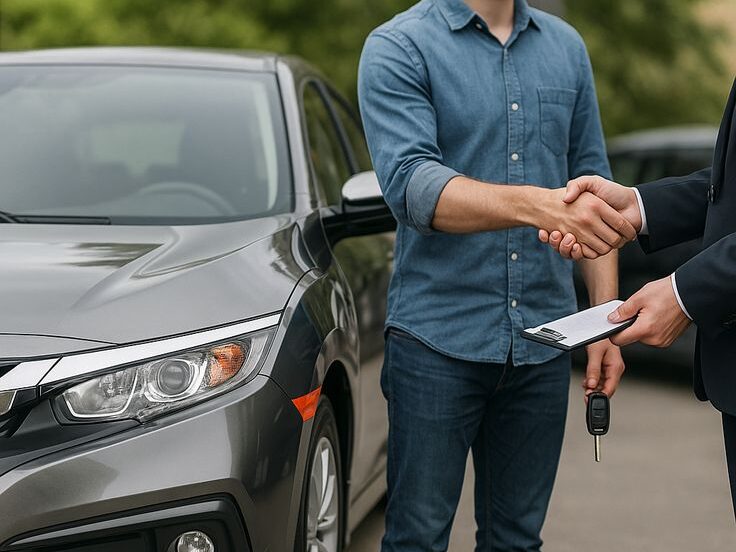
Got rid of your car through a dealership? That’s possible. Some brand-approved sellers – think Maruti Suzuki or Hyundai – run trade-in deals when you buy their latest model. Instead of listing it online, hand over your vehicle at the showroom during the upgrade. It wraps up fast, without much back and forth. Yet what they quote often falls short of what private buyers might pay. Worth weighing that gap before deciding.
Some folks like extra peace of mind when selling – resale sites with certification fit that need. A trained team checks the vehicle, gives an offer, then takes care of buyer contact and paperwork. Since someone else manages everything, there’s less stress day to day. Fees come out of the final amount, so the payout might be smaller than going solo.
Pictures that show the car well matter more than most think. A clean write-up helps, so does telling things straight about how the vehicle runs. When you point out it has been taken care of, people notice. Low miles? That fact often tilts interest your way. Service records sitting ready builds trust without saying much. Present what matters, nothing hidden – fairness pulls weight here too.
Watch out for safety while moving your car to someone else. Confirm who the buyer really is, skip giving personal details, instead stick to safe ways of getting paid. Choose busy spots to meet people looking to buy, finish things right by using clear paperwork so problems stay far away.
When picking where to list your vehicle, think about timing. Holiday times or busy buying months often mean web-based sites bring more eyes fast. Yet selling in a rush could make trade-in spots or quick-purchase options line up better. What works changes with the season and your pace.
Picking a place to sell your car shapes what happens next – money in hand, stress levels, how fast it sells. Not every path works the same; some bring more buyers, others save time but cost more. Online spots open doors wide yet demand effort. Dealerships take control quickly though returns may shrink.
Experts might guide well, still their fees add up. Each route holds trade-offs clear only when weighed side by side. The smart move comes from seeing these differences before jumping in. By 2026, standing out means knowing where you fit in that mix.
7. Pros, Cons & Final Verdict on Car Resale
Most people do not think twice about what happens when they want to trade in their car. Yet by 2026, knowing how resale works could change who gains or loses money. A shifting marketplace means clues hide in trends others ignore. First-timers might stumble – unless they spot patterns early. Even seasoned drivers overlook small details that swing value one way or another. Paying attention now shapes what comes later. Decisions made quietly today echo at next year’s deal. Value does not just fade – it shifts based on choices most never name.
Most people overlook how selling a car later shapes money choices. Picking one that holds its worth means spending less over time. Models from Maruti Suzuki, Hyundai, or Toyota tend to keep decent prices when resold – helping buyers get back much of what they paid. Future switches to another vehicle suddenly feel more doable.
Freedom comes easier when the car holds its worth. Should life shift – new job, new home, maybe a family growing – a solid resale price means selling won’t hurt. Picture needing more space, deciding on electric wheels, or moving far off; that steady value opens doors. Timing bends to your rhythm instead of forcing tough choices.
Online tools have changed how cars change hands these days. With just a few clicks, people list vehicles seen by thousands across regions. Price checks happen in moments, thanks to live data from recent sales nearby. Deals close quicker when paperwork moves through secure portals instead of mail. Clear info helps everyone involved understand true value without guesswork. Trust grows when histories are shared openly between buyer and seller alike.
Still, a few downsides pop up now and then. Losing money over time hits most cars hard. How fast that happens depends heavily on make, model, year, upkeep. Some brands tumble in price much faster than others do. Selling one of those later could mean handing back far less than paid upfront.
Selling a car takes more work than it might seem at first glance. Even though websites make posting easier now, there’s still plenty to handle on your own. Putting up photos and details eats into your schedule. Answering questions from potential buyers adds another layer of effort. Back-and-forth talks about price often stretch things out longer. Paperwork at the end brings its own set of tasks. Some people find juggling all this wears them down.
Figuring out the cost might trip you up when selling a used car. To get it right, look into what cars like yours are going for these days. Ask too much, and nobody buys; ask too little, money slips away. Haggling comes next – people push hard on price, making it tough to land where you hoped.
Out of nowhere, scams can pop up – more so with strangers reached through screens. Because of that, staying sharp matters: check who you are selling to, keep payments locked down tight, trust only verified steps along the way.
Even with these hurdles, keeping an eye on how much a car holds its worth makes sense when owning one. Picking the correct model, sticking to regular upkeep, then moving it before values dip too far – this path cuts loss while boosting what you gain back. A well-timed exit often matters just as much as the first choice.
Car Resale Most folks overlook what happens to their car down the road, but by 2026, turning it into cash could matter more than expected. Sure, there are trade-offs – yet smart moves tend to bring bigger wins than losses. Thinking ahead, while keeping up with market shifts, sets the stage for stronger returns. A little foresight today might just mean extra value on exit day.