
Table of Contents
INTRODUCTION
Why Black Cars Look Stunning but Are Hardest to Maintain
There’s no denying it; black cars have a timeless, eye-catching appeal. Whether it’s a luxury sedan, a sporty coupe, or even an SUV, the deep glossy shine of black paint makes any vehicle look sleek, elegant, and premium. But here’s the catch: black cars are also the hardest to maintain. Owners soon realize that keeping that showroom finish isn’t as simple as a weekly car wash. This is where knowing the right products and techniques—from cleaning supplies to detailing methods—can make all the difference.
Why Black Cars Look Stunning
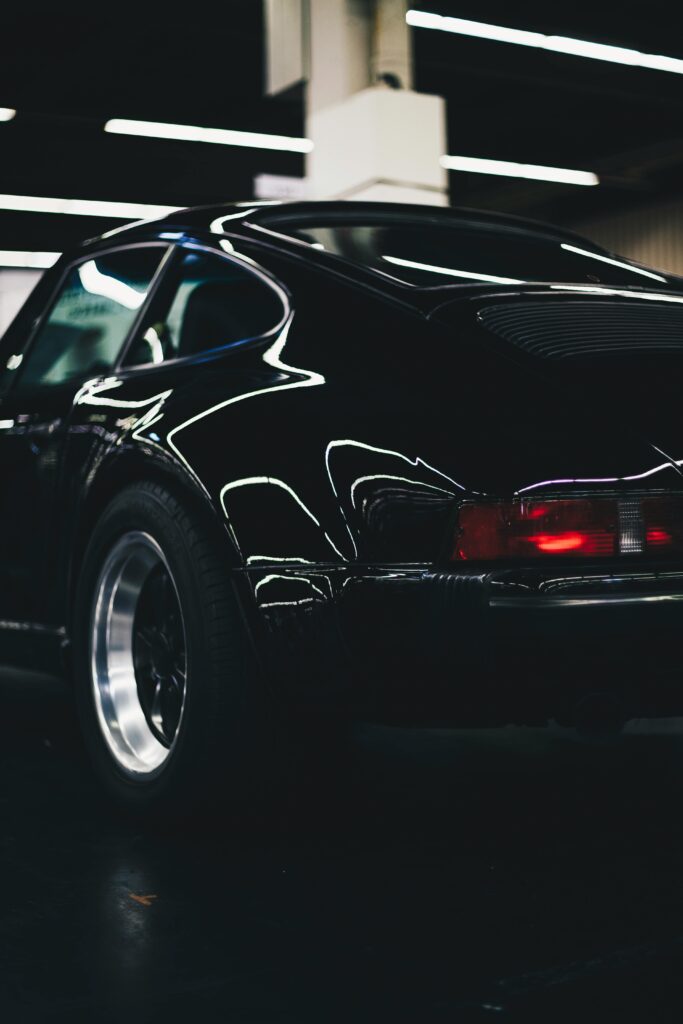
The beauty of black cars lies in their ability to reflect light better than any other color. When polished properly, the paint creates a mirror-like effect that beautifully highlights curves, lines, and design details. This striking look is why black has always been a favorite among luxury and sports car lovers. But this same reflective quality is also why every flaw from dust to scratches—stands out more.
The Challenges of Owning a Black Car
- Dust and Dirt: Black paint attracts dust, pollen, and dirt. Even after a wash, particles can settle quickly and make the car look dirty within hours.
- Swirl Marks: Improper washing techniques, such as using rough sponges or dirty microfiber towels, create tiny circular scratches called swirl marks. On lighter cars, they’re less noticeable, but on black cars, they stand out significantly under sunlight.
- Scratches: Small scratches and chips are more obvious on black paint than on any other color. Even minor contact with keys, bushes, or rough clothing can leave visible marks.
- Dull Finish: Over time, without proper care, black paint can lose its deep gloss and start to look faded or cloudy.
Black Car Maintenance: Keeping the Gloss Alive
The key to keeping a black car stunning lies in regular care and using the right products designed for dark paints.
- Gentle Washing: Always use a two-bucket method (one for soapy water, one for rinsing) to minimize swirl marks. Invest in high-quality microfiber wash mitts instead of sponges.
- Drying Matters: Never air-dry a black car. Use a clean microfiber drying towel or a car blower to avoid water spots.
- Clay Bar Treatment: Twice a year, use a clay bar to remove contaminants like tar, sap, and pollution particles that regular washing can’t handle.
- Polishing for Swirls: A dual-action polisher with a fine polish helps remove swirl marks and restores that mirror-like finish.
- Wax or Ceramic Coating: Applying carnauba wax or a ceramic coating not only improves gloss but also adds a protective layer against dust, UV rays, and light scratches.
Detailing Tips for That Showroom Look
- Detail in the shade to prevent water spots.
- Use products labeled specifically for dark paints since they’re designed to enhance darker finishes.
- Wash weekly and wax every 2 to 3 months for the best results.
- Always use clean microfiber towels to avoid scratches.
Cleaning Routine for a Black Car
Keeping a black car clean can be both rewarding and frustrating. On one hand, nothing looks more stunning than a freshly washed black car reflecting like a mirror under the sun. On the other hand, every speck of dust, swirl mark, and water spot becomes noticeable right away. This can ruin the shine quickly if you don’t use the right cleaning methods. That’s why establishing a solid cleaning routine with the right products is essential. Let’s look at how to wash, protect, and dry your black car without harming its finish.

Best Car Shampoos & Microfiber Cloths
The first rule of caring for a black car is to never use household cleaners or dish soap. These can strip away protective wax layers and leave the paint exposed. Instead, always pick a pH-balanced car shampoo that cleans dirt gently without scratching. There are shampoos specifically for dark-colored vehicles that improve depth and gloss; these should be part of your regular cleaning kit.
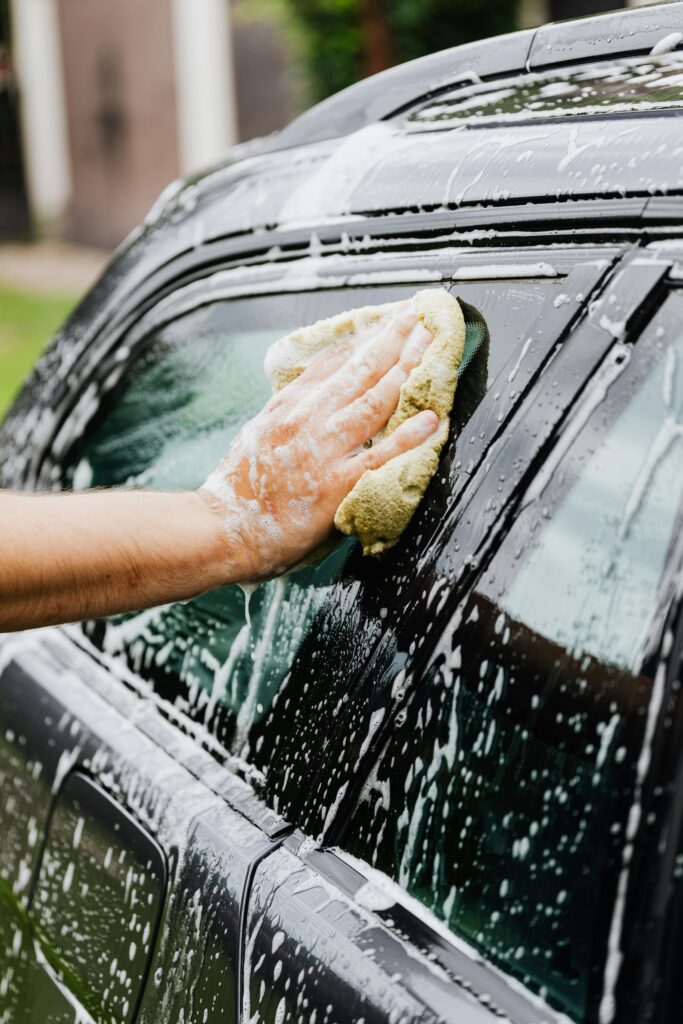
What you use to scrub the surface is just as important. Old rags, sponges, or towels can create tiny scratches that become swirl marks visible in sunlight. Instead, invest in high-quality microfiber wash mitts and towels. Microfiber traps dirt within its fibers rather than dragging it across the paint, which greatly reduces scratches. Always keep separate microfiber cloths for washing, drying, and detailing to prevent cross-contamination.
Two-Bucket Method to Avoid Swirl Marks
One of the best techniques for black cars is the two-bucket wash method. It may sound simple, but it really helps:
- Bucket One: Fill with soapy water using your car shampoo.
- Bucket Two: Fill with clean water for rinsing your mitt.
Each time you dip your wash mitt into the soapy water, scrub the car using gentle, straight-line motions, never circles. Before re-dipping, rinse the mitt thoroughly in the clean water bucket to remove trapped dirt and grit. This stops dirt particles from scratching your black paint.
For extra protection, many enthusiasts add grit guards to the bottom of each bucket. These serve as filters, making sure dirt stays at the bottom rather than floating back up. Swirl marks are a significant concern for black car owners, so using this method regularly is one of the best ways to protect your investment.
Drying Techniques to Prevent Water Spots
Drying a black car is just as important as washing it. If you let water evaporate naturally, minerals in the droplets leave behind spots that dull the paint. These water spots stand out on black surfaces and can even etch into the clear coat if ignored.
The safest drying method is to use a clean microfiber drying towel. Gently blot or drag the towel across the surface instead of rubbing it harshly. Waffle-weave microfiber towels are especially effective because they absorb large amounts of water without leaving streaks.
For those who want to take extra precautions, a car dryer or leaf blower is another excellent tool. Using air to push water off the paint eliminates any chance of scratches from towels. Many detailing professionals recommend this method as one of the best techniques for maintaining a long-lasting shine on black cars.
Restoring and Maintaining Shine and Gloss
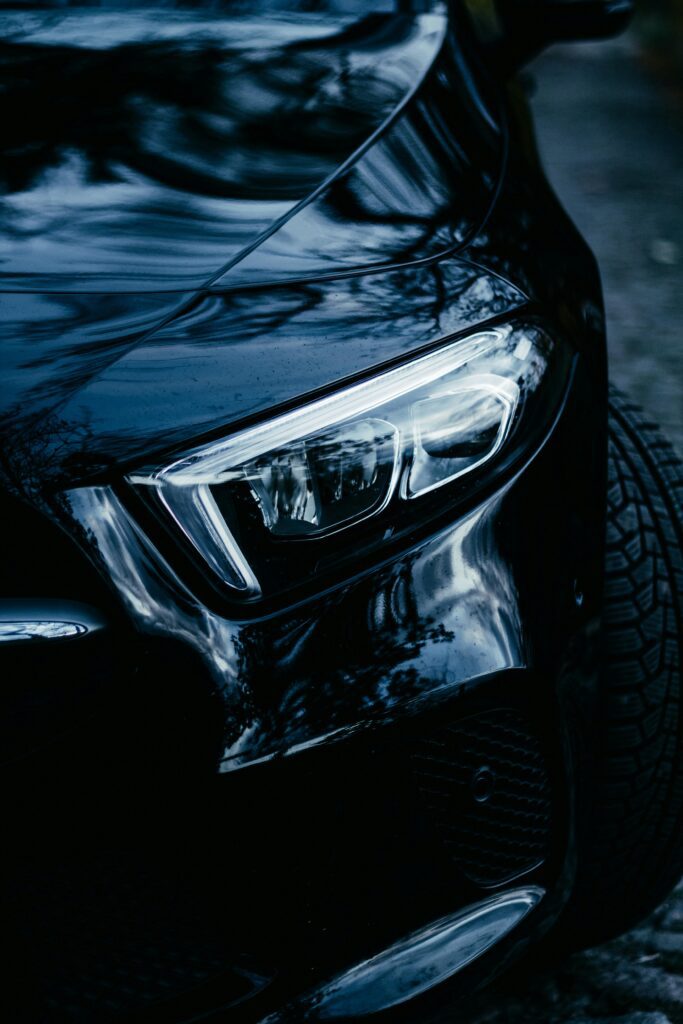
One of the main reasons people choose a black car is its incredible shine. When polished correctly, a black vehicle reflects light like a mirror and beautifully highlights every curve of its design. However, keeping that deep, glossy look is challenging.
Over time, exposure to dust, UV rays, rain, and improper washing can leave the paint dull, marked with swirl patterns, or lacking depth. That’s why restoring and maintaining shine requires a combination of the right black car products, proper techniques, and sometimes professional supplies.
Importance of Polishing and Waxing
Polishing and waxing are essential parts of caring for a black car. Polishing focuses on correction; it removes minor scratches, swirl marks, and oxidation that make the paint look cloudy.
For black cars, polishing is especially important because imperfections are more noticeable than on lighter colors. Using a dual-action polisher with a fine polish can restore clarity and depth to your paint.
After polishing, waxing seals the deal. A good carnauba wax not only enhances gloss but also adds a protective layer against dust, UV rays, and minor scratches. Think of waxing as sunscreen for your black car; it protects the paint while making it shine even brighter. For best results, black cars should be waxed every two to three months.
DIY Methods for Shine Restoration
Not every black car owner wants to go to a professional detailer for every scratch or dull spot. Fortunately, there are several DIY methods you can try at home with the right black car products:
- Clay Bar Treatment: Clay bars remove embedded contaminants like tar, sap, or industrial fallout that regular washing cannot tackle. This step is crucial for achieving a glass-smooth finish before polishing.
- Polish Kits: Many brands offer beginner-friendly polish kits designed for home use. These kits include instructions, pads, and safe polishes that help reduce swirl marks without harming the paint.
- Detailing Sprays: For quick touch-ups between washes, detailing sprays work effectively. They restore shine, add slickness, and help maintain a freshly waxed appearance.
With these DIY tools, you can revive the depth and gloss of your black paint without spending a lot at detailing shops.
Professional Products: Ceramic Coating and Paint Sealant
For those looking for long-term protection and that permanent “wet look,” professional-grade products like ceramic coatings and paint sealants are the best choice.
- Ceramic Coating: This liquid polymer chemically bonds with your car’s paint, creating a hydrophobic layer that repels water, dirt, and UV rays. It can last for years when applied properly. Ceramic coating is often considered the top choice for black car products because it preserves the gloss while significantly reducing the risk of scratches and oxidation.
- Paint Sealant: Unlike traditional wax, paint sealants are synthetic and last longer (up to 6 to 12 months). They provide a glossy finish while protecting the paint against harsh weather.
While these options may have a higher initial cost, they can save money over time by cutting down on the need for frequent waxing and polishing.
Car Detailing Essentials
Washing and waxing are important, but they only scratch the surface, literally. To keep a black car looking perfect, you need proper car detailing.
This process goes beyond a simple wash. Detailing involves a thorough cleaning, restoration, and protection of both the interior and exterior of your car. For black cars, detailing is essential. Every swirl mark, smudge, or dust particle stands out immediately. With the right products, detailing can make your vehicle look showroom-ready.
What is Car Detailing and Why It Matters for Black Cars
Car detailing is the skill and process of restoring a vehicle to its best condition. While washing removes surface dirt, detailing addresses deeper issues like oxidation, fine scratches, and dullness. This is crucial for black cars because their paint acts like a mirror; flaws that go unnoticed on lighter colors become very visible on black.
Regular detailing not only restores shine but also adds protective layers that help your car stay looking new longer. It’s not just about appearance. Detailing maintains resale value, protects paint from UV damage, and keeps interiors fresh and comfortable.
Interior Detailing (Leather, Dashboard, Glass)
A well-detailed car shines both inside and out. Interior detailing involves cleaning and conditioning every surface:
- Leather Care: Black cars usually have black or tan leather interiors. Leather needs regular conditioning to avoid cracks, fading, or a sticky feel. Using leather cleaners and conditioners helps keep seats supple and fresh.
- Dashboard & Plastics: Dust and sunlight can quickly fade dashboards. Detailing products designed for vinyl and plastic restore a deep, matte look while adding a protective layer.
- Glass & Mirrors: Streak-free glass is important for safety and looks. Special glass cleaners remove smudges, water spots, and haze, giving you clear visibility.
Interior detailing makes driving more enjoyable and prevents wear and tear that can lower your car’s value.
Exterior Detailing (Paint Correction, Buffing, Protective Layers)
The exterior of a black car is where detailing truly shines, literally. This process includes:
- Paint Correction: Removing swirl marks, scratches, and oxidation through careful polishing. On black paint, this step is crucial for restoring clarity and depth.
- Buffing: Buffing smooths out imperfections and enhances gloss. With the right polishing compounds, a black car can achieve that “wet look” finish enthusiasts love.
- Protective Layers: Once corrected, the paint needs protection. This can be done with carnauba wax, synthetic sealants, or ceramic coatings. These products shield against dust, UV rays, and minor abrasions.
Each step in exterior detailing requires patience and the right products to avoid introducing new scratches or swirls.
How Often to Detail a Black Car
How often you detail your car depends on how you use and store it. For most black cars:
- Full Detailing: Every 6 to 12 months to correct paint, deep clean interiors, and apply long-term protection.
- Mini-Details: Every 1 to 2 months for quick polishing, waxing, and interior refresh.
- Quick Touch-Ups: Weekly washes and detailing sprays to maintain gloss.
If you park outside often, live in a dusty area, or drive long distances, you may need to detail more frequently. Remember, prevention is cheaper than correction. Regular detailing saves money in the long run and ensures your black car always looks stunning.
Preventive Measures for Long-Lasting Shine
Owning a black car is like wearing a tailored black suit. It looks sharp, sophisticated, and stands out. However, just like that suit needs care, your black car needs smart preventive measures to keep its shine for years.
One of the easiest and most effective steps is parking wisely. Whenever you can, park in shaded areas or use a good car cover. Direct sunlight heats the cabin and exposes your car’s paint to UV rays, which can dull the glossy finish over time. If you park outdoors often, UV-protective covers are a worthwhile investment.
Another important habit is to avoid harsh cleaning cloths or roadside washes. The rough brushes at cheap car washes often leave behind swirl marks and micro-scratches that are especially noticeable on black surfaces. Instead, use microfiber towels and proper car shampoos. This small choice can make a big difference in maintaining that showroom shine.
For extra protection, think about using protective films and coatings. Paint Protection Film (PPF) and ceramic coatings act like an invisible shield for your car. PPF prevents chips and scratches from road debris. Ceramic coatings improve gloss, add hydrophobic properties, and make cleaning easier. These options may cost a bit upfront, but they save you the trouble of frequent paint repairs.
Cost vs Value of Black Car Maintenance
A common question among black car owners is: “Is it really worth spending so much on detailing?” The answer is yes, especially if you think long-term.
Professional detailing sessions, which include polishing, waxing, or ceramic coating, can seem expensive at first. Depending on the service, it may cost a few thousand rupees or more. On the other hand, DIY kits with shampoos, waxes, and microfiber cloths are much more affordable. While they do require your time and effort, they can still produce great results if done properly.
The real value lies in the regular investment that can save you from repainting later. A black car that is neglected for years may eventually need costly repainting or paint correction. In contrast, routine detailing—whether professional or DIY—extends the life of the original paint and cuts down on major repair costs.
Another significant benefit is the resale value. A well-kept black car with a glossy, scratch-free finish attracts buyers and commands a better price. Cars lose value over time, but keeping yours visually pristine can put money back in your pocket when it’s time to sell or upgrade.
Conclusion
Maintaining a black car’s shine is not just about looks. It’s about protecting your investment and enjoying that impressive appearance every time you drive. From smart parking and careful cleaning to applying protective coatings and balancing costs with value, every small step adds to a longer-lasting glossy finish.
If you love your black car, treat it with care, and it will reward you with timeless elegance on the road.
Now it’s your turn: What’s your go-to trick for keeping your black car looking brand new? Share your tips in the comments below. Your insights might help fellow owners extend the beauty of their rides.