
Table of Contents
Introduction: Automatic vs Manual Cars in 2025
In 2025, the Indian car market has changed significantly. One of the main topics among buyers is the choice between automatic vs manual cars. For many years, manual transmission cars were the standard in India. They were known for being affordable, durable, and fuel-efficient. Recently, however, automatic cars have gained popularity. This growth is due to increasing urban traffic, new technology, and the convenience of automatic transmission.
Today, deciding between an automatic vs manual cars affects comfort, driving experience, fuel economy, and long-term savings.
Urbanization is a big factor in this discussion. Cities in India are expanding rapidly, traffic jams are longer, and daily commutes are becoming frustrating. Automatic cars, especially those with CVT (Continuously Variable Transmission) or AMT (Automated Manual Transmission), allow drivers to navigate crowded streets without frequently shifting gears or managing the clutch.
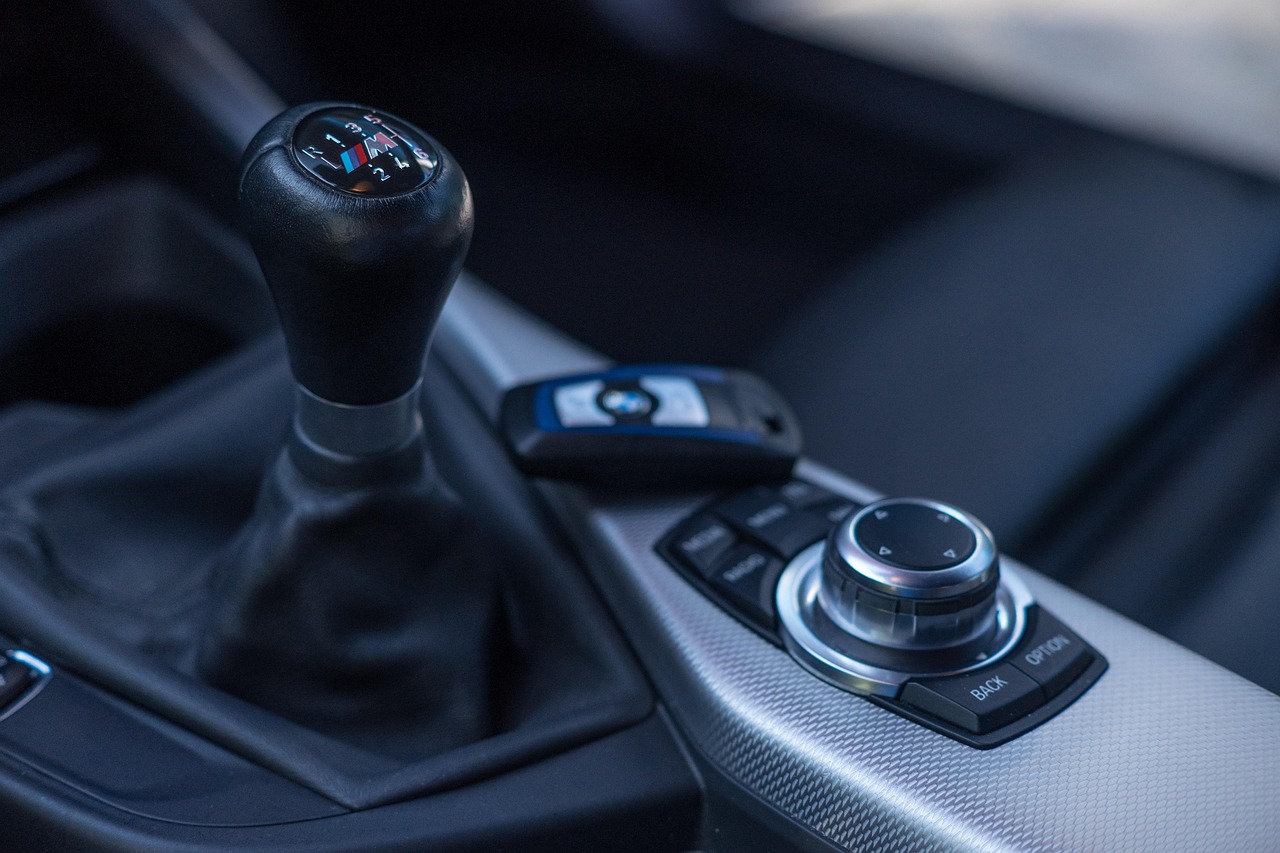
On the other hand, manual cars remain appealing to enthusiasts who want complete control over acceleration and engine response. For them, each gear shift connects the driver with the road, something that automatic cars, despite their convenience, cannot fully replicate.
Fuel efficiency also shapes the ongoing discussion about automatic vs manual cars in 2025. Manual cars traditionally offered better mileage, but modern automatic transmissions have made considerable progress. New automatic technologies like DCT (Dual Clutch Transmission) and CVT now match or sometimes even surpass the fuel economy of manual cars. This means drivers can enjoy comfort without sacrificing efficiency. Families, professionals, and long-distance commuters are increasingly selecting automatic cars without worrying about fuel consumption.
In automatic vs manual cars debate Affordability and maintenance matter too. Manual cars generally cost less upfront and are easier to repair because their mechanics are simpler. Automatic cars tend to be pricier initially, but offer a more relaxing driving experience, reducing fatigue during stop-and-go traffic. For many buyers, the decision comes down to lifestyle. If you spend most of your time in city traffic, an automatic car can feel like a lifesaver. If you prefer highway driving or a more engaging experience, a manual car might be more enjoyable.
In 2025, car manufacturers in India are creating models to satisfy both preferences automatic vs manual cars. From compact hatchbacks and sedans to SUVs, there are many options available with either transmission. These cars come with modern features like regenerative braking, various driving modes, and infotainment systems. So, the choice between an automatic vs manual cars is more about individual comfort and driving habits than just technical specifications.
Ultimately, the debate over automatic vs manual cars isn’t about which is better. Whether you value convenience, efficiency, or driving engagement, understanding both types of transmissions is essential for making a smart decision in 2025. In the following sections, we will look at the best automatic vs manual cars in India, their features, mileage, and who they suit best, helping you select the right car for your needs.
Top Automatic Cars in India 2025
In 2025, automatic cars have become a top choice for urban commuters, families, and young professionals in India. With city traffic getting heavier and daily driving feeling more exhausting, more people are turning to automatic transmissions that provide comfort without sacrificing performance. Today’s automatic vehicles have improved significantly, offering impressive fuel efficiency, smooth handling, and smart features. They are ideal for anyone looking for convenience on the road.
- Maruti Suzuki Baleno CVT
The Maruti Suzuki Baleno has been a popular option in the premium hatchback segment for years. The 2025 CVT variant takes it up a notch. With a mileage of 21-22 km/l, excellent city drivability, and a smooth Continuously Variable Transmission (CVT), it’s perfect for daily commuters who want an easy driving experience. The Baleno CVT also includes modern features like touchscreen infotainment, automatic climate control, and safety systems, making it a complete package for urban drivers.
- Hyundai i20 DCT
The Hyundai i20 with Dual Clutch Transmission (DCT) offers a sporty yet comfortable automatic driving experience. Its 7-speed DCT ensures quick gear shifts with minimal lag, giving drivers the feel of a manual car without the clutch. With fuel efficiency around 20-21 km/l, it strikes a perfect balance between performance and economy. The i20 DCT is great for those who enjoy driving but also want the ease of an automatic in city traffic, clearly illustrating the automatic vs manual cars debate in today’s market.
- Honda City i-VTEC CVT
The Honda City i-VTEC CVT has set the standard for automatic sedans in India. Its smooth CVT gearbox, paired with a powerful yet efficient engine, delivers around 18-19 km/l in real-world conditions. Spacious interiors, premium features, and excellent ride quality make it a fantastic choice for families. The City CVT is well-suited for both urban and highway driving, showing that automatic cars now rival manual ones in fuel efficiency and performance.
- Toyota Urban Cruiser Hyryder Hybrid CVT
Hybrid technology is changing the landscape of automatic driving in India, and the Toyota Hyryder Hybrid CVT exemplifies this shift. Delivering up to 28 km/l, it combines an electric motor with a petrol engine to enhance mileage and reduce emissions. Its automatic CVT transmission provides smooth acceleration and effortless city driving. For those considering automatic vs manual cars, this hybrid model demonstrates that modern automatics can match, or even surpass, manuals in fuel efficiency.
- Kia Seltos IVT
The Kia Seltos IVT (Intelligent Variable Transmission) makes driving SUVs in city traffic nearly effortless. It offers a refined driving experience, dependable mileage, and premium features like connected infotainment and advanced safety. Its smooth transmission suits young professionals and families who want the ease of an automatic without worrying about clutch fatigue.
Automatic cars in 2025 are not just about convenience; they combine efficiency, comfort, and smart technology. For many Indian drivers, the stress of clutch control and constant gear changes in traffic makes automatic transmissions the preferred option. Comparing automatic vs manual cars, it’s clear that modern automatics now compete with manuals in mileage, handling, and overall driving satisfaction, proving that comfort and fuel economy can work beautifully together.
Top Manual Cars in India 2025
While automatic cars are becoming more popular, manual transmission vehicles still have a loyal following among Indian drivers. For decades, manual cars have been praised for their affordability, durability, and the connection they provide between the driver and the road. In 2025, the discussion around automatic vs manual cars is more complex. Manuals are not just for traditional driving; they still offer great mileage, precise control, and an engaging experience for both enthusiasts and long-distance travelers.
- Maruti Suzuki Swift (Manual)
The Maruti Suzuki Swift is one of the most popular manual hatchbacks in India. Its lively 1.2L petrol engine paired with a smooth 5-speed manual gearbox gives around 21-22 km/l in real-world conditions. Lightweight, agile, and easy to maneuver in city traffic, the Swift manual is ideal for daily commuters and young drivers. Unlike automatic cars, it allows drivers complete control over acceleration and gear shifts, making it very responsive in both city and highway driving.
- Hyundai i20 (Manual)
The Hyundai i20 manual variant remains a strong contender in the premium hatchback category. It offers around 20-21 km/l, striking a good balance between efficiency, power, and comfort. Its precise gear shifts, well-tuned suspension, and modern interior features make it a favorite among driving enthusiasts. For those considering automatic vs manual cars, the i20 manual provides a level of control and engagement that automatics sometimes lack.
- Tata Altroz (Manual)
The Tata Altroz has become a premium hatchback known for its style, safety, and performance. The manual variant features a 5-speed gearbox, delivering an impressive 19-20 km/l along with excellent handling. Its solid build quality, roomy cabin, and high safety ratings make it a great choice for families who prefer manual cars without sacrificing features or mileage. In the ongoing discussion about automatic vs manual cars, the Altroz shows that manuals can also be modern, practical, and efficient.
- Maruti Suzuki Dzire (Manual)
For sedan enthusiasts, the Maruti Dzire manual stands out. It provides around 22 km/l, smooth handling, and a comfortable ride for both city and highway travel. Its compact size, low maintenance costs, and reliable engine make it an economical option. Compared to its automatic version, the manual Dzire offers drivers more control over engine response and fuel consumption. This is an important consideration for those focused on mileage and long-term savings.
- Mahindra Thar (Manual)
For adventure lovers and SUV fans, the Mahindra Thar manual variant delivers a rugged and enjoyable driving experience. With a 6-speed manual gearbox, it achieves 15-16 km/l in off-road scenarios while giving complete control over gears, which is vital for navigating tough terrain. For those deciding between automatic vs manual cars, the Thar demonstrates that manuals excel in situations where performance and driver involvement are more important than convenience.
Manual cars in 2025 still offer affordability, reliability, and driving enjoyment. Even as automatics gain popularity, manuals continue to be relevant for city drivers, enthusiasts, and families who appreciate control and precision. When weighing automatic against manual cars, it’s clear that manuals still lead in engagement, consistent real-world mileage, and long-term maintenance costs, making them a lasting choice in India’s changing automotive landscape.
Automatic vs Manual cars: Key Differences in 2025
The debate between automatic vs manual cars has changed in India by 2025, due to new technology and shifting driving habits. Choosing the right transmission is no longer just personal preference. It affects comfort, fuel efficiency, performance, and long-term costs. Here are the key differences between automatic vs manual cars to help you decide.
- Driving Comfort and Convenience
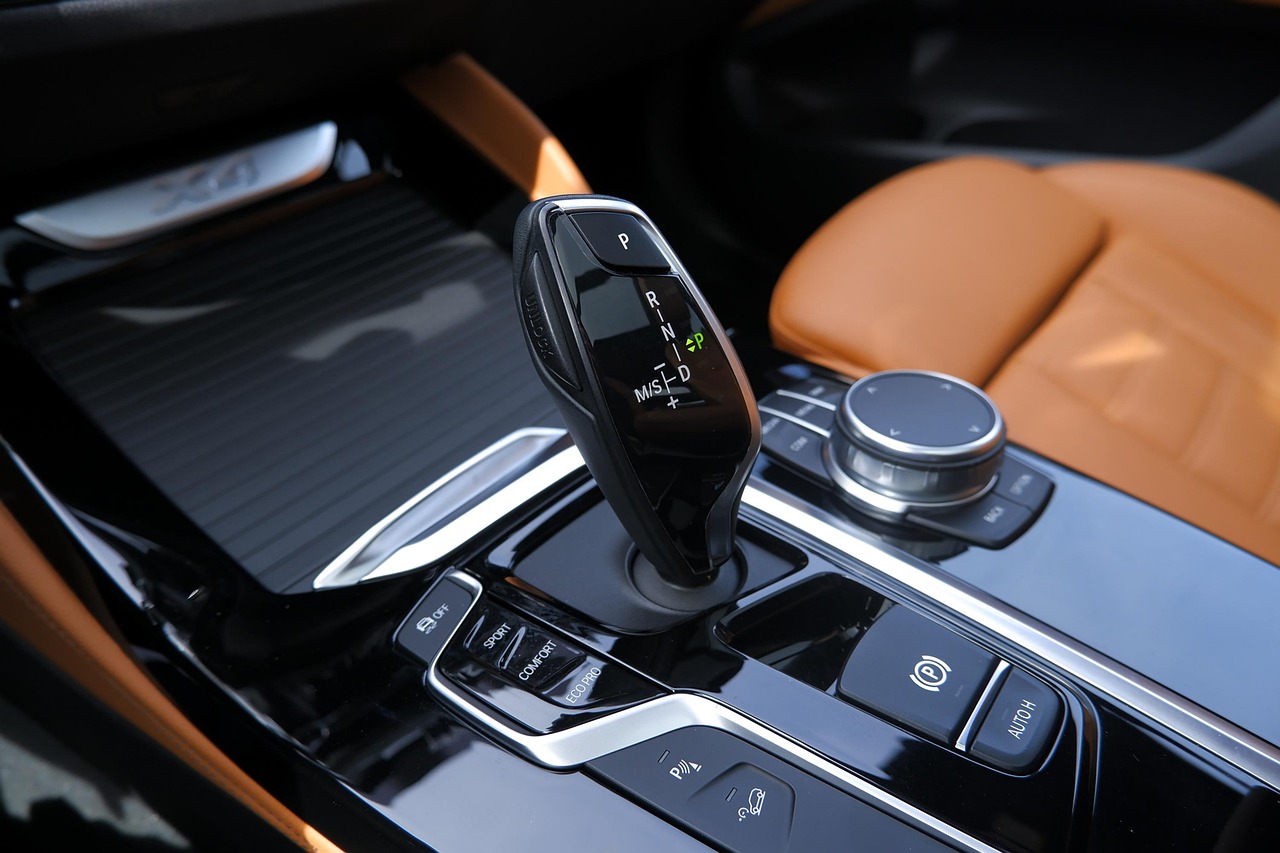
Automatic cars provide great convenience, especially in heavy city traffic. With CVT, DCT, or AMT technologies, drivers no longer have to deal with constant clutch operation or gear changes. This makes long drives and stop-and-go city commutes less tiring. In contrast, manual cars require ongoing clutch control and gear shifts. Some drivers enjoy this hands-on experience, but others find it exhausting. For city drivers, convenience is often the most important factor in choosing between automatic vs manual cars.
- Fuel Efficiency
In the past, manual cars typically had better fuel efficiency. A skilled driver could adjust gear shifts and engine performance for better mileage. However, in 2025, automatic transmissions have closed the gap. Modern CVTs and DCTs often match or even exceed manual cars in real-world fuel efficiency. Hybrids with automatic transmissions, like the Toyota Hyryder or Honda City e:HEV, deliver impressive mileage, showing that convenience can coexist with good fuel economy.
- Performance and Control
Manual cars still win when it comes to driver engagement and control. They allow for precise handling in corners, on hills, and off-road. Enthusiasts and long-distance drivers usually prefer manuals because they provide a direct connection to the engine and better control in different terrains. While automatic cars are smooth, they don’t provide the same tactile experience. However, modern automatics with sport modes have made progress in this area.
- Maintenance and Cost
Manual cars are mechanically simpler and cheaper to maintain. Clutch replacements and gearbox repairs are rare and generally low-cost. Automatic cars have complex transmissions, which can make repairs more expensive if issues arise, though regular maintenance is usually straightforward. The initial purchase price of an automatic car is higher than that of a manual car, which is an important factor for budget-minded buyers.
- Urban vs Highway Driving
Automatic cars excel in city driving, where stops, congestion, and short trips are common. Manual cars perform better on highways or open roads, where maintaining steady speeds and precise gear shifts improves performance and fuel efficiency. For most Indian drivers, whether to choose an automatic or manual car often depends on where they spend most of their time driving, making this a key aspect of the debate.
- Resale Value
Manual cars continue to hold strong resale value because of their affordability and reliability. Automatics, especially newer models with advanced CVT or DCT, are gaining popularity but may not retain their value as quickly in the second-hand market. However, the rising appeal of automatic cars is gradually shifting this trend.
In summary, the debate over automatic vs manual cars in 2025 boils down to lifestyle, convenience, and personal preference. Automatic cars provide easy city driving with modern features, while manual cars offer engagement, control, and reliability. Knowing these differences helps buyers select a transmission that fits their daily needs and driving style.
Which Transmission Should You Choose?
Choosing between automatic vs manual cars in 2025 can feel overwhelming. Your decision ultimately depends on your lifestyle, driving habits, and personal preferences. Modern technology has made the choice between automatic vs manual cars more complex than ever. Let’s break it down to help you make the best decision for your daily driving.
- Urban Commuters
For city drivers, the debate between automatic vs manual cars leans heavily toward automatics. Heavy traffic, frequent stops, and crowded streets can make driving a manual tiring and stressful. Automatic cars, especially CVT, DCT, and AMT models, remove the need for clutch handling and constant gear shifts. This makes your daily commute smoother and less exhausting. When considering automatic vs manual cars for city life, automatics clearly offer better convenience, especially for professionals and families navigating busy roads.
- Long-Distance Drivers
If you spend a lot of time on highways, rural roads, or going on long trips, manual cars still have the upper hand in the automatic vs manual cars discussion. Manual transmissions give you precise control over gear shifts, which can boost fuel efficiency on long drives. Driving enthusiasts also appreciate the engagement and responsiveness that manual cars offer—something automatics can’t fully replicate. For highway lovers and adventure seekers, manual cars remain a strong choice in this debate.
- Families and Daily Use
Families often focus on comfort, reliability, and ease of driving. Automatic cars are perfect for parents managing school runs, daily commutes, or weekend trips. They help reduce stress in city traffic. Hybrids and modern automatic transmissions now offer excellent mileage, narrowing the fuel efficiency gap between automatic vs manual cars. However, manual cars still attract families who value lower initial costs, simpler maintenance, and better resale value, keeping them relevant in the automatic vs manual cars discussion.
- Budget Considerations
Manual cars are usually more affordable upfront and easier to maintain, making them competitive against automatic cars in India. Automatics have a higher initial cost, and complex transmissions like DCT or CVT can be more expensive to repair if there are issues. Still, the convenience of automatic cars often justifies the higher price for city drivers. When looking at automatic vs manual cars, budget-conscious buyers should think about both the purchase price and long-term convenience.
- Driving Experience and Personal Preference
Some drivers love the tactile feel of a manual car. Every gear shift gives a sense of control and engagement, which is important in the automatic vs manual cars choice. On the other hand, automatic cars offer effortless driving, smooth acceleration, and less fatigue—especially in traffic. Your personal preference, daily driving environment, and enjoyment of control versus convenience are key factors in choosing between automatic vs manual cars.
- Hybrid and Advanced Options
Hybrid automatic cars now provide a great middle ground in the automatic vs manual cars debate. They blend fuel efficiency, comfort, and eco-friendliness, proving that modern automatic cars can match, and sometimes even outperform, manual cars in performance and economy. For forward-thinking buyers, hybrid automatics are an attractive option in 2025.
In conclusion, the choice between automatic vs manual cars depends on your lifestyle, driving patterns, and priorities. Urban commuters and families may favor automatic cars for their ease and comfort. At the same time, enthusiasts, highway drivers, and budget-conscious buyers often prefer manual cars for control and reliability. By carefully assessing your needs, you can make a decision that ensures both efficiency and driving pleasure in 2025.
Conclusion: Making the Right Choice in 2025
By 2025, the debate between automatic vs manual cars has become a key consideration for Indian drivers. The choice goes beyond personal preference; it impacts comfort, efficiency, performance, and long-term costs. Understanding the differences between both types of transmissions helps you make a decision that fits your lifestyle, budget, and driving habits.
Automatic cars have gained immense popularity due to technologies like CVT, DCT, and AMT. They provide exceptional convenience, especially for city residents dealing with heavy traffic. Smooth gear shifts reduce driver fatigue and improve overall comfort, making automatic cars ideal for daily commutes, school runs, and weekend trips. In the current discussion around automatic vs manual cars, convenience is one of the main reasons drivers opt for automatics in 2025.
Manual cars, however, still attract enthusiasts, highway drivers, and budget-conscious buyers. They allow for precise control over the engine, offer better engagement, and deliver a driving experience that automatics can’t fully replicate. Modern manuals also perform well in terms of fuel efficiency. Their lower initial cost and simpler maintenance make them an appealing choice. For those weighing automatic against manual cars, manuals are still a reliable and affordable option.
One major insight from the automatic vs manual cars debate in 2025 is that hybrid and advanced automatic options now blur the lines between the two. Hybrid automatics provide excellent fuel efficiency, smooth performance, and reduced emissions. They combine the benefits of automatic transmissions with eco-friendly technology. This innovation enables drivers to enjoy the ease of automatic cars without sacrificing economy or environmental impact.
Ultimately, the best choice depends on your lifestyle. Urban commuters, families, and professionals may find automatic cars ideal for relaxed city driving. Long-distance drivers, adventure seekers, and enthusiasts might prefer manual cars for control, engagement, and highway efficiency. Hybrid and advanced automatic options offer a flexible alternative for drivers wanting both comfort and mileage.
When considering automatic vs manual cars, it’s crucial to weigh factors like traffic conditions, driving distance, fuel efficiency, maintenance costs, and personal enjoyment. There isn’t a one size-fits-all answer. By considering convenience, performance, and affordability, you can make an informed choice that ensures a fulfilling driving experience for years to come.
In 2025, the Indian automotive market provides a wide variety of options for both automatic vs manual cars. Whether you focus on comfort, engagement, or efficiency, understanding the differences between automatic vs manual cars helps you select the right vehicle. Thoughtful decision-making, combined with modern technology, ensures that your choice matches your lifestyle, making every drive enjoyable, efficient, and stress-free.