
Table of Contents
Introduction: Why Fuel Efficiency Matters in 2025
In 2025, the discussion around cars in India has changed significantly. People are no longer focused only on speed, style, or luxury; the new trend is “Fuel Efficient Cars.” With fuel prices constantly rising and traffic jams turning commutes into long hours, every Indian car buyer wants a vehicle that offers maximum mileage without sacrificing comfort. Owning a car is now about practicality, sustainability, and saving money every day.
Fuel efficiency has become a key factor for Indian families and professionals. Whether you drive from Jaipur to Delhi for business or commute daily, you need a car that goes the extra mile on every litre of petrol or diesel. With the cost of living rising, a fuel-efficient car is no longer just a choice; it’s a necessity.
Another important reason why Fuel Efficient Cars are relevant in 2025 is environmental awareness. The Indian government is pushing for reduced emissions and stricter BS6 norms to control pollution. As a result, car manufacturers have started to innovate more than ever by offering smart engine technologies, lightweight materials, and hybrid systems that provide excellent mileage without losing performance.
Today’s drivers also care about sustainability. They want cars that are easy on their wallets and the planet. This change in attitude has made Fuel Efficient Cars central to modern mobility in India. From compact hatchbacks to hybrid SUVs, automakers are focusing on smart fuel management systems and efficient engines suitable for both city and highway driving.
In simple terms, a fuel-efficient car maximizes the distance covered for every drop of fuel. It goes beyond mileage numbers; it encompasses the overall design of the car. Companies like Maruti Suzuki, Toyota, Honda, Tata, and Hyundai are in a race to deliver vehicles that blend innovation, economy, and comfort.
2025 is expected to be a significant year when fuel efficiency meets smart technology. Consumers will no longer accept anything less than the best mileage in every category. From petrol and diesel models to hybrids and CNG cars, India’s automobile industry is moving into a smarter, greener, and more fuel-conscious era.
In the upcoming sections, we’ll look at the best Fuel Efficient Cars in India for 2025, see how fuel efficient cars vehicles are changing the landscape, and learn practical tips to boost your car’s mileage. At the end of the day, the road ahead belongs to those who drive smarter and more efficiently.

Top Fuel Efficient Cars in India 2025
The Indian automobile market in 2025 has become a hub of innovation, particularly in the area of fuel-efficient cars. With rising fuel costs and increasing environmental awareness, every major brand is striving to create the ideal mix of mileage, comfort, and technology. Let’s take a look at some of the best fuel-efficient cars in India 2025 that are winning hearts and saving fuel on Indian roads.
- Maruti Suzuki Celerio (Petrol)
Maruti Suzuki has long been India’s mileage leader, and the Celerio carries on this tradition. With its latest DualJet engine and start-stop technology, the 2025 Celerio delivers an impressive mileage of 26.68 km/l, making it one of the most fuel-efficient cars available. Its compact design and responsive engine make it perfect for daily urban driving. Affordable maintenance, dependable performance, and exceptional mileage are what make it a favorite for middle-class families and city commuters.
- Toyota Urban Cruiser Hyryder (Hybrid)
Hybrids are changing the fuel efficiency landscape, and Toyota is at the forefront. The Toyota Hyryder Hybrid offers a mileage of 27.97 km/l, combining electric motor support with a petrol engine for remarkable fuel economy. It’s ideal for drivers who want modern looks, smooth handling, and eco-friendly performance. As one of the smartest fuel-efficient cars in India 2025, it features regenerative braking and EV mode, allowing you to drive short distances using only electric power.
- Honda City e:HEV (Hybrid)
A classic that continues to evolve, the Honda City e:HEV symbolizes the blend of technology and efficiency. With a mileage of around 27.13 km/l, this sedan employs Honda’s hybrid technology, offering automatic convenience and great fuel economy. Its premium build, spacious interior, and dependable performance make it a strong contender among India’s most refined fuel-efficient sedans.
- Tata Altroz iCNG
Tata has given a fresh take on the CNG segment with the Altroz iCNG. Offering a mileage of around 26 km/kg, it’s a smart choice for buyers who want both affordability and efficiency. Unlike traditional CNG systems, Tata has designed the Altroz with twin-cylinder technology that doesn’t sacrifice boot space—a feature that Indian families truly value. Among all CNG cars in 2025, it stands out as one of the most intelligent and fuel-efficient options.
- Maruti Suzuki Grand Vitara Hybrid
For SUV enthusiasts who still care about mileage, the Grand Vitara Hybrid is a dream come true. Delivering nearly 27.97 km/l, it combines SUV comfort with hybrid performance. With features like EV mode, a smart hybrid battery, and an eco-friendly design, it redefines what a fuel-efficient car can be. It shows that power and economy can coexist beautifully.
In 2025, fuel-efficient cars in India are more than just about saving petrol—they represent a smarter, greener lifestyle. Car buyers now seek long-term value, not just short-lived excitement. From budget hatchbacks to premium hybrids, there’s a fuel-efficient choice for everyone.
Each of these cars demonstrates how much the Indian automobile industry has progressed in its commitment to innovation and sustainability. Whether you need a small car for daily commutes or a powerful SUV for weekend trips, 2025 has presented something extraordinary—cars that respect your budget and the environment alike.

fuel efficient Cars: The New Fuel Efficiency Leaders
The automotive landscape in India is rapidly changing, and 2025 marks a major shift toward cleaner, smarter, and more fuel-efficient cars. Among the technological advancements, fuel efficient cars vehicles are becoming the new champions of fuel economy. These cars are not just about saving money on petrol or diesel; they offer a smarter, eco-friendly way to drive that fits well with the modern Indian lifestyle.
Hybrid Cars: Balancing Efficiency and Technology
Hybrid cars combine an internal combustion engine with an electric motor to maximize fuel efficiency. This results in cars that use less petrol, emit fewer pollutants, and still provide a smooth driving experience. For example, models like the Toyota Hyryder Hybrid and Honda City e:HEV are leading this segment in 2025, delivering mileage figures above 27 km/l in real-world conditions.
The main advantage of hybrid technology is its versatility. In city traffic, the electric motor takes over during slow drives, stop-and-go conditions, and short distances, greatly reducing fuel consumption. On highways, the petrol engine operates efficiently, supplying the needed power without wasting fuel. Hybrid cars are also quieter, experience less engine wear, and include smart features like regenerative braking, which turns braking energy back into electricity, further improving overall mileage.
For Indian buyers, hybrids are especially appealing because they offer both performance and efficiency. There’s no need to compromise on comfort, luxury, or space. In fact, hybrids like the Toyota Hyryder and Honda City e:HEV demonstrate that fuel-efficient driving can go hand in hand with premium features, making them suitable for both city commutes and long weekend trips.
CNG Cars: Affordability and Efficiency
While hybrids are technologically advanced, CNG cars remain the most accessible and cost-effective option for fuel-conscious drivers. Compressed Natural Gas (CNG) is much cheaper than petrol or diesel, and modern CNG cars are designed to deliver excellent mileage without sacrificing safety or performance. Models like the Tata Altroz iCNG and Maruti Suzuki Wagon R CNG have proven to be among the most fuel-efficient cars in India for families and daily commuters.
CNG cars also help improve air quality in urban areas. Since natural gas burns cleaner than petrol or diesel, these vehicles produce fewer pollutants, making them a sustainable choice for environmentally conscious drivers. Maintenance costs tend to be lower, and the increasing number of CNG refueling stations across Indian cities is making them more convenient.
Why fuel efficient Cars Matter
Both fuel efficient cars vehicles show a shift in mindset among Indian consumers. Fuel efficiency is no longer an afterthought; it is a primary factor in buying decisions. Hybrid cars attract those who are tech-savvy, environmentally aware, and willing to invest a bit more upfront for long-term savings. CNG cars, in contrast, are ideal for budget-conscious families who seek maximum mileage with minimal operating costs.
Together, hybrids and CNG cars are shaping the future of fuel-efficient cars in India. They prove that innovation does not require sacrificing practicality or affordability. Instead, it leads to smarter engineering, better mileage, and a more sustainable way of driving.
By 2025, every car buyer is asking not just about style or engine power, but also “How fuel-efficient is this car?” This is precisely why fuel efficient cars models are no longer optional; they are the leaders of India’s everyday mobility.
Electric Cars vs Fuel Efficient Cars: Which One is Smarter in 2025?
As India moves toward a greener future, the discussion around electric cars and traditional fuel-efficient cars is more relevant than ever. With rising fuel prices, government incentives for EVs, and growing environmental awareness, buyers often feel torn between investing in a fully electric vehicle or sticking with a petrol or diesel car that offers great mileage. In 2025, both options have their own advantages, but understanding the differences can help you make a smarter choice.
Electric Cars: The Green Revolution
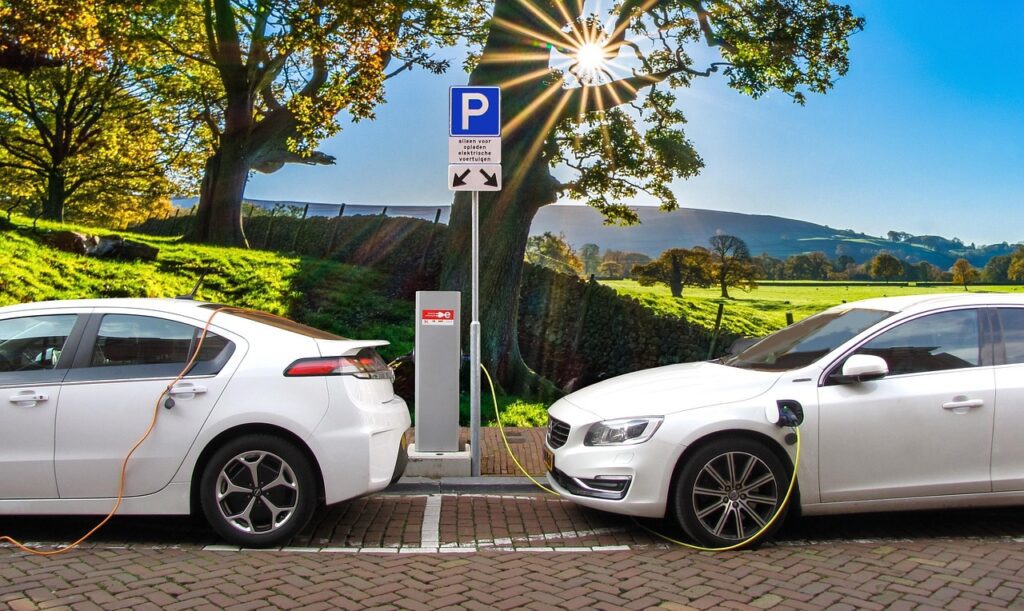
Electric vehicles (EVs) are definitely part of the future. They run solely on batteries and produce zero tailpipe emissions, which is a big win for the environment. Popular EVs in India, such as the Tata Nexon EV and MG ZS EV, deliver mileage of about 20 to 25 km per kWh, leading to substantial savings on fuel costs. Additionally, EVs are quieter, require less maintenance, and benefit from government subsidies and tax breaks.
However, despite the excitement around them, EVs face real challenges in India. The charging infrastructure is expanding but remains uneven, and long-distance travel can be tricky due to the lack of charging stations. Range anxiety, or the fear of losing charge in the middle of a trip, is still a concern for many buyers. EVs also come with a higher upfront cost, which might not suit the budget of daily commuters looking for cost efficiency.
Fuel Efficient Cars: Tried and Tested
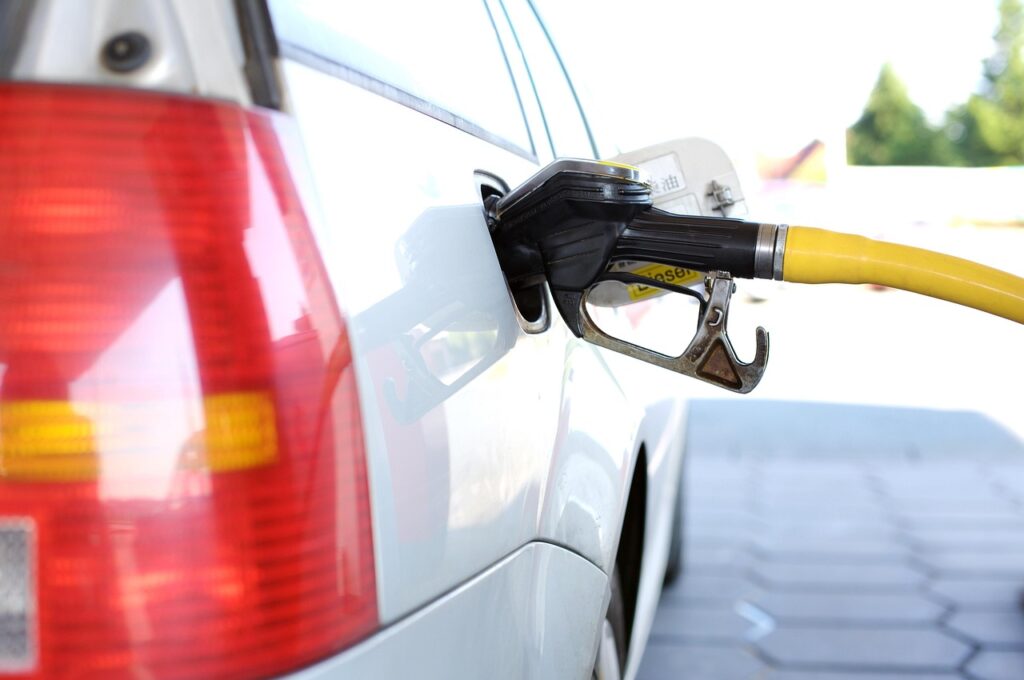
Fuel efficient cars continue to excel in 2025. Unlike EVs, these petrol, diesel, hybrid, or CNG cars are widely available, affordable, and easy to refuel anywhere. They typically offer real-world mileage of 20 to 28 km/l in modern hatchbacks and sedans. For daily commutes, city driving, or occasional long trips, these cars present unmatched convenience and flexibility.
Fuel efficient cars also allow buyers to gradually upgrade to newer models without the concern of costly battery replacements or charging infrastructure. In urban India, where petrol stations are everywhere, these cars remain a practical and dependable option for families and professionals.
Choosing the Smarter Option
When choosing between electric and fuel efficient cars, it’s important to consider your lifestyle, budget, and driving habits. If you mostly drive in the city, have access to home or workplace charging, and want to reduce your carbon footprint, an EV might be the right choice. On the other hand, if you need flexibility, longer range, and proven mileage, fuel-efficient cars are a smart and economical option.
Hybrid cars provide the best of both worlds. They significantly cut fuel consumption while keeping the convenience of traditional engines. In 2025, hybrids like the Toyota Hyryder and Honda City e:HEV are closing the gap between traditional fuel efficiency and electric advancements, making them an attractive choice for forward-thinking drivers.
Conclusion
The rise of EVs does not spell the end for fuel efficient cars in India. Both types of vehicles have their place, and the smartest drivers will make choices based on personal needs rather than trends. While EVs represent the future of eco-friendly driving, fuel efficient cars continue to provide unmatched convenience, affordability, and real-world practicality. In 2025, being smart behind the wheel means choosing a vehicle that balances efficiency, cost, and your daily lifestyle.