Table of Contents
Introduction: Why the Virtus GT Still Stands Out in 2025
The Indian automotive market has changed significantly over the last decade. Buyers are more informed, their expectations have increased, and the demand for cars that offer performance, efficiency, safety, and style is at an all-time high. Sedans, previously the leading segment, have seen a decline in popularity due to the rise of compact and midsize SUVs. However, a few sedans still manage to stand out by providing something special, and the Volkswagen Virtus GT is one of them. As we head into 2025, the Virtus GT remains a popular choice among performance sedans, attracting both enthusiasts and everyday buyers.
The Virtus GT launched as part of VW’s India 2.0 strategy and quickly established itself as a sedan that takes risks. It embodies the spirit of Volkswagen’s GT badge with sportiness, precise engineering, and a premium European feel. While many competitors focus on adding features or creating flashy looks, the Virtus GT sticks to Volkswagen’s principles: it offers a car that emphasizes engineering quality and driving enjoyment above all else. In a market filled with software-heavy SUVs and hybrid experiments, the Virtus GT stands out by reminding drivers what a well-crafted, turbocharged sedan feels like.
What makes the Virtus GT especially attractive is its appeal to two very different types of buyers. On one side, you have the true driving enthusiast who values strong torque, responsive acceleration, tight cornering, and a chassis that builds confidence. For them, the 1.5 TSI EVO engine paired with a DSG gearbox is a perfect match. On the other side, you have family-oriented customers looking for space, comfort, practicality, and safety. Surprisingly, the Virtus GT meets their needs too, thanks to its roomy rear seat, large trunk, solid ride quality, and 5-star safety rating. It successfully combines performance and practicality in a way few cars in this price range can.
Another reason the Virtus GT stays relevant in 2025 is its timeless design. Unlike cars that depend on sharp angles or exaggerated shapes, the Virtus GT embraces subtle elegance. It has just the right touch of sportiness with red GT badges, glossy black accents, sporty wheels, and a confident stance. It attracts attention without overdoing it. This makes it appealing to a wide range of age groups, from young professionals seeking a premium, fast sedan to older buyers who appreciate understated sophistication.
The growing trend towards turbo-petrol engines and the desire for refined performance also work in the Virtus GT’s favor. While many brands struggle to find the right balance between efficiency and power, Volkswagen’s 1.5 TSI EVO delivers on both fronts. Features like Active Cylinder Technology (ACT) allow the car to switch to two cylinders during light driving, greatly enhancing fuel efficiency. This makes the GT not only enjoyable to drive but also surprisingly economical, especially on the highway.
Beyond performance, safety has become an essential requirement for buyers. With the Virtus GT proudly holding its 5-star Global NCAP rating and backed by Volkswagen’s engineering standards, families and safety-conscious buyers feel reassured. In a market increasingly concerned about long-term reliability and build quality, Volkswagen’s reputation for strong engineering gives the Virtus GT an advantage.
As 2025 progresses, the Virtus GT maintains a unique position in the sedan market. It may not be the most feature-rich car, nor does it rely on aggressive pricing, but it wins over buyers by offering something much more valuable: an authentic, enjoyable driving experience wrapped in a practical, premium package. This buyer’s guide is designed to help you determine if the Virtus GT fits your needs, preferences, and expectations as you consider purchasing one in 2025.
Design & Styling: What Makes the GT Look Unique
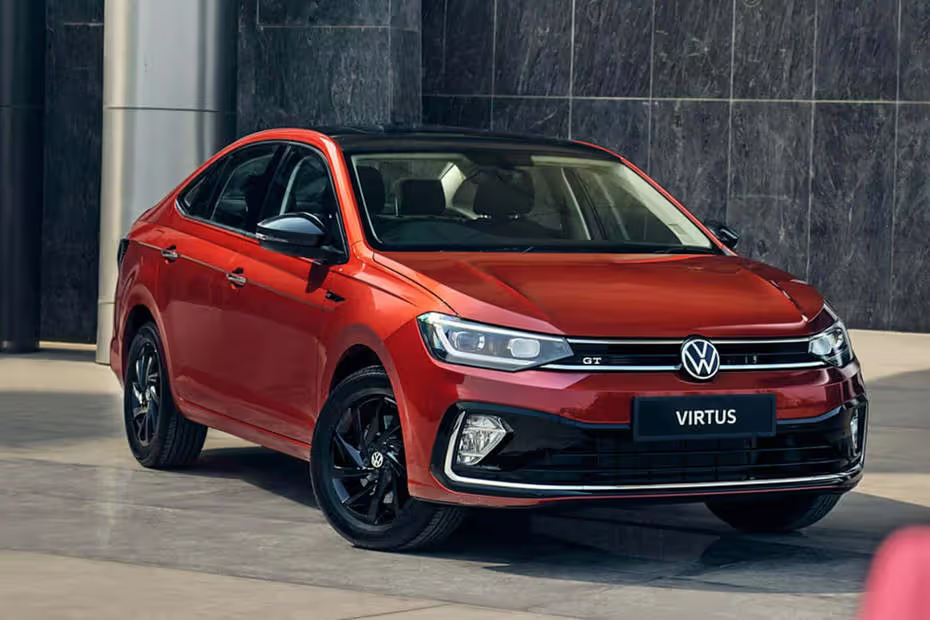
The design of the Virtus GT captures the essence of modern Volkswagen aesthetics. It is clean, athletic, timeless, and premium. While many sedans depend on flashy lines or aggressive body kits, the Virtus GT stands out with a minimal yet powerful design. Its long hood, wide stance, and sculpted body create a commanding presence that appeals to both younger buyers and mature professionals.
The GT-specific styling improvements enhance its sporty character. The blacked-out roof, ORVMs, grille elements, and side mirrors create a distinctive dual-tone theme that signals its performance badge. The red GT logo on the grille and fenders asserts its sporty identity without being over the top. The alloy wheels have a bold, black finish that complements the car’s dark-themed accents.
LED headlamps with integrated DRLs give the front a premium look, while the sleek LED tail lamps at the rear create a striking signature at night. The sedan excels in its proportions. Volkswagen has achieved a perfect balance between elegance and sportiness, with a silhouette that flows naturally and looks aerodynamic.
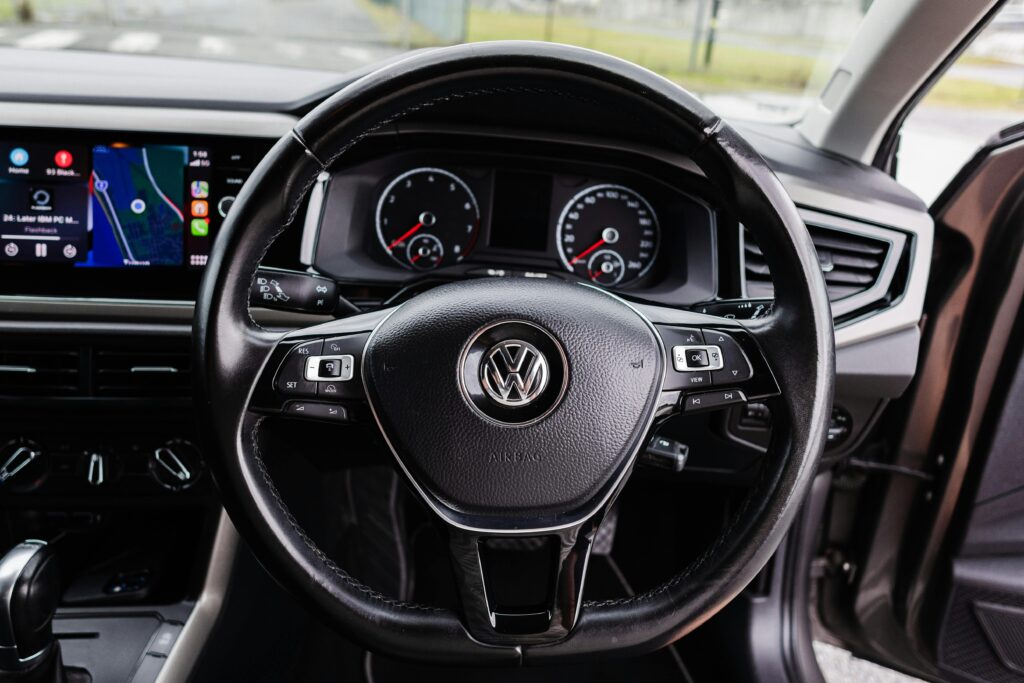
Inside, the cabin continues the sporty theme with red stitching, brushed metal finishes, and leatherette upholstery. The GT branding inside enhances its performance-oriented identity. The dashboard layout is modern yet functional. The 10-inch infotainment screen is placed ergonomically. The flat-bottom steering wheel adds to the sporty feel and improves grip during spirited driving.
Overall, the Virtus GT’s design works because it doesn’t shout. It speaks with confidence and class. It feels premium but not overdone, sporty but not immature, and elegant enough to age gracefully for years.
Features & Technology You Get in 2025
Volkswagen has outfitted the Virtus GT with a solid range of features that enhance the driving experience without overwhelming the user. The highlight is the 10-inch touchscreen infotainment system that supports wireless Apple CarPlay and Android Auto. The screen is responsive, high-resolution, and positioned for easy access. Combined with a premium audio system, it provides a great entertainment experience in the cabin.
The fully digital instrument cluster allows for customizable layouts, letting drivers pick between minimalist and information-rich views. It integrates navigation, trip data, and vehicle stats smoothly, adding convenience for long journeys. Ventilated front seats, a much-appreciated feature in India’s climate, ensure comfort during hot weather, while the wireless charging pad holds smartphones securely and charges them without overheating.
Additional features include automatic climate control, push-button start, cruise control, a rear parking camera, auto-dimming rearview mirror, rain-sensing wipers, and automatic headlights. Each of these features enhances the car’s premium feel by lightening the driver’s load.
The Virtus GT also includes important safety technology like electronic stability control, hill-hold control, traction control, multi-collision braking, and tire pressure monitoring system. While it does not yet have advanced driver-assistance systems, Volkswagen prioritizes stability and real-world safety over just adding technology for marketing purposes.
The user-friendly design of these features ensures long-term practicality. Everything is carefully placed, easy to access, and built with durability in mind. This blend of smart technology and everyday convenience is a key reason why the Virtus GT’s cabin stands out to buyers.
Safety Ratings & Build Quality
Safety has always been a priority for Volkswagen, and the Virtus GT showcases this commitment with its impressive 5-star GNCAP safety rating. Built on the MQB-A0-IN platform, the Virtus GT uses high-strength steel throughout its design, providing strong structural support. In a crash, the body structure absorbs and spreads impact forces effectively, reducing the risk of injury.
The Virtus GT comes with six airbags that protect passengers in the front and sides. It also features Electronic Stability Control (ESC), which improves control during sharp turns or on slippery roads. Traction control helps the wheels maintain grip, especially during emergency braking or sudden acceleration. Hill-hold assist prevents rollback on inclines, making driving on hilly roads easier.
Volkswagen has added multi-collision braking, which is uncommon in this segment. This system automatically applies the brakes after an initial impact to stop secondary collisions. Isofix mounts for child seats ensure family safety, making this car suitable for both enthusiasts and parents seeking a safe sedan.
You can sense the build quality of the Virtus GT as soon as you close the door—it has a solid sound that indicates a sturdy structure. The interior materials feel high-quality and durable, built to last through years of use. Even after many miles, the GT maintains its integrity with minimal rattles or signs of wear.
Volkswagen’s reputation for building safe cars goes beyond ratings; it’s evident in real-world owner experiences. Many owners report outstanding stability at high speeds, effective braking, and reliable handling. In a market filled with feature-rich cars that may lack structural strength, the Virtus GT provides a true sense of safety.
Fuel Efficiency & Practicality
The Virtus GT shows that performance and practicality can go together. Its strong 1.5 TSI engine provides good fuel efficiency thanks to the ACT (Active Cylinder Technology) system. City mileage typically ranges from 11 to 14 km/l depending on driving habits. On the highway, mileage can reach 18 to 19 km/l during steady cruising. This mix of power and economy makes the GT a good choice for both enthusiastic drivers and daily commuters.
Practicality is another area where the Virtus GT excels. The cabin is roomy, offering plenty of legroom and headroom for passengers in both the front and back. Tall passengers can sit comfortably without feeling squeezed, which is a significant benefit in this segment. The supportive seats also make long journeys enjoyable and free of fatigue.
With a boot capacity of 521 liters, one of the largest in its class, the Virtus GT is great for family trips, business travel, or airport runs. The wide opening and deep storage area ensure that even large suitcases fit easily.
The ground clearance of 179 mm is quite high for a sedan. This allows the Virtus GT to navigate rough patches and speed bumps without scraping, making it more practical for Indian roads than many competing sedans.
The suspension is slightly firmer to improve handling but remains comfortable enough for daily driving in the city. Combined with light steering at low speeds and excellent visibility, the Virtus GT is easy to drive in crowded areas.
Overall, the GT offers a unique blend: the thrill of a performance sedan paired with everyday practicality. This makes it suitable for families, professionals, and driving enthusiasts.
Variants & Pricing: Which Virtus GT Should You Buy in 2025?
Choosing the right version of the Virtus GT is a key part of the buying decision. This sedan appeals to a wide range of buyers, from passionate driving fans to families seeking a premium, refined, and safe daily driver. Volkswagen keeps its GT lineup straightforward and performance-oriented, leading to fewer options but a clearer identity. As of 2025, the Virtus GT mainly comes in two primary trims: the Virtus GT Manual and the Virtus GT DSG Automatic. Both versions feature the same powerful 1.5 TSI EVO engine but cater to slightly different driving styles and user expectations.
The GT Manual is designed for purists. With its short, precise gear shifts and well-balanced clutch, it offers a more connected, mechanical feel that driving fans appreciate. The manual transmission lets drivers get the most out of the 1.5 TSI engine, especially on highways and winding roads where control over gear selection enhances the experience. This version also attracts buyers mindful of maintenance costs, as manual gearboxes usually require less long-term upkeep than dual-clutch systems. In terms of pricing, the GT Manual often ranges from ₹16.00 to ₹16.50 lakh (ex-showroom), making it the more affordable option into the GT experience without sacrificing performance.
The GT DSG variant offers convenience without losing speed. Volkswagen’s DSG (Direct Shift Gearbox) is known for its fast gear changes and smooth power delivery, making it perfect for those who mix city driving with long highway trips.
The DSG version improves acceleration by using optimal gear shifts exactly when needed, providing an effortless feeling of speed. Buyers wanting the GT badge in a more high-tech form prefer this option. Priced slightly higher, the GT DSG usually costs around ₹17.50 to ₹18.00 lakh (ex-showroom). The extra cost reflects the advanced transmission, making it attractive for those prioritizing comfort and sophistication.
Both GT variants share a range of premium features, including ventilated seats, a 10-inch touchscreen, wireless smartphone connection, automatic climate control, red GT interior accents, a digital cockpit, and Volkswagen’s signature high-quality materials.
On the outside, both variants look nearly identical, featuring GT-specific design elements like black ORVMs, sporty alloys, GT badging, and a dual-tone roof in select editions. This consistency ensures that no matter which variant you choose, the car maintains the same sporty and premium presence on the road.
Price differences also arise based on region, registration fees, dealership extras, and seasonal offers. In several states, the on-road price for the GT DSG can exceed ₹20 lakh, pushing it into premium sedan territory. Despite this, the Virtus GT remains in high demand due to its strong balance of performance, safety, and European engineering quality. For buyers concerned about long-term value, both variants perform well in resale markets, with DSG models often commanding higher prices due to their greater appeal.
Ultimately, the choice between the GT Manual and GT DSG depends on your driving preferences. If you enjoy being actively involved in every shift, desire a more raw connection to the vehicle, or want to keep maintenance costs down, the GT Manual is a great option.
If you prefer convenience, seamless acceleration, and a more polished driving experience—especially in busy city traffic—the GT DSG is the better choice. No matter which variant you go with, the Virtus GT offers a genuine performance-sedan experience that is hard to find in its segment.
Maintenance, Reliability & Ownership Costs
Volkswagen has improved its service network in India over the years, and the Virtus GT benefits from these changes. The brand now provides clear service cost estimators, service value packages, and extended warranty plans that lower long-term ownership costs. Routine maintenance costs are competitive for a premium sedan, and spare parts availability has increased significantly.
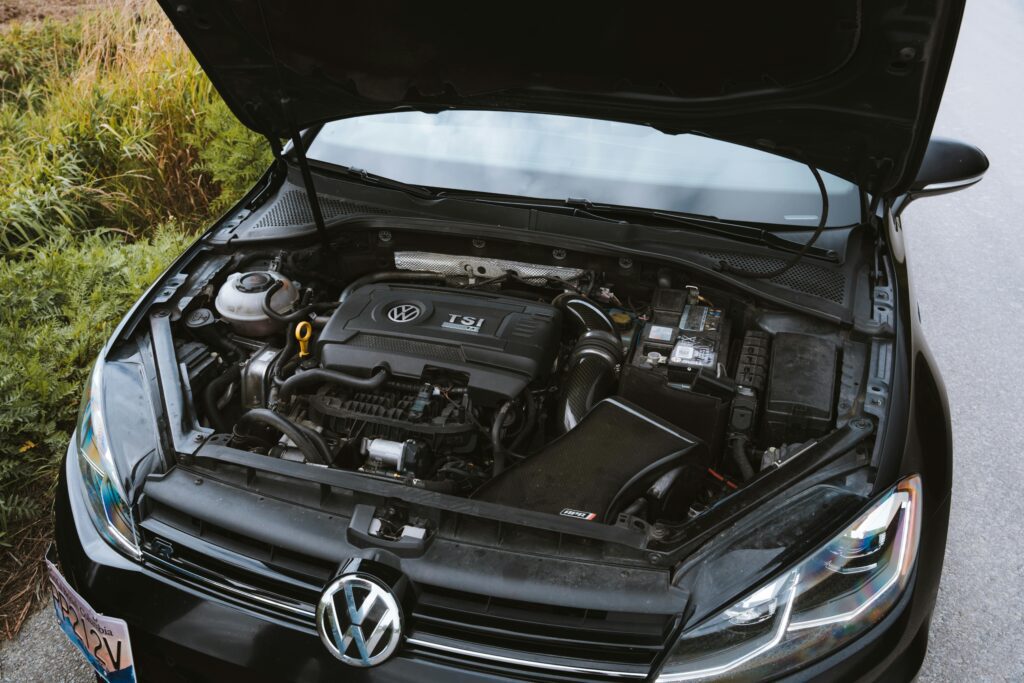
The 1.5 TSI EVO engine is built for durability. With proper maintenance, it ages well without major problems. The DSG gearbox has seen engineering upgrades that boost reliability, especially with regular fluid changes. Many owners report smooth performance even after years of use.
Service intervals are spaced well, and Volkswagen’s workshops are more accessible in many cities. The brand prioritizes customer communication, ensuring owners get timely updates and reminders.
Regarding ownership costs, the Virtus GT has strong resale value. Enthusiasts often seek out GT versions, creating higher demand in the second-hand market. Cars with good service records usually hold their value better, making this investment worthwhile.
Overall, the Virtus GT provides a reliable experience when maintained according to Volkswagen’s guidelines. The improvements in the service network, clear pricing, and availability of extended warranties make ownership easier and less stressful.
Pros & Cons: Who Should Buy the Virtus GT in 2025?
The Virtus GT shines in several areas, making it a strong choice for anyone wanting a performance-focused sedan. Its greatest asset is the 1.5 TSI EVO engine, which offers thrilling performance while staying efficient. The GT also impresses with its high-quality build, sleek design, and solid safety ratings. Driving enthusiasts will appreciate its stable behavior at high speeds, accurate steering, and exciting handling.
The interior is roomy and comfortable, making it family-friendly. The spacious trunk, high ground clearance, and easy-to-use features provide practical benefits. Reliability has improved, and service costs have become more consistent.
However, the GT does have some downsides. The lack of advanced driver-assistance systems may disappoint tech-savvy buyers looking for the latest features. The DSG version, although better, may still worry more traditional buyers. The suspension, which is tuned for performance, might feel too firm for those who prefer a softer drive. Fuel efficiency can decrease significantly with aggressive driving.
In 2025, the Virtus GT is best for buyers who prioritize performance, safety, and high-quality build. It suits young professionals, driving lovers, and families looking for a stylish yet practical sedan. Those who value comfort over sportiness or want advanced driver-assistance features might want to consider other options.
Alternatives to Consider
The Virtus GT faces strong competition in its segment. The Skoda Slavia 1.5 TSI is the closest rival, as it shares the same engine and platform. It delivers similar performance but has a different design approach, focusing more on elegance than sportiness. Some buyers prefer the Slavia’s interior layout and Skoda’s slightly softer ride.
The Hyundai Verna Turbo is another key competitor. It features modern styling, a tech-rich cabin, ADAS features, and strong performance. However, some buyers believe the Verna doesn’t have the solid European build or high-speed stability of the Virtus.
The Honda City, while not as powerful, is known for its unmatched comfort, reliability, and refinement. It attracts buyers who value luxury and smoothness over outright performance.
The Volkswagen Taigun GT offers a similar performance package, but in an SUV body style. It’s perfect for those seeking more ground clearance and a commanding driving position without sacrificing fun-to-drive qualities.
Each of these alternatives has its strengths, but the Virtus GT stands out as a balanced, sporty, premium sedan.
Final Verdict: Is the Virtus GT Worth Buying in 2025?
In 2025, the Volkswagen Virtus GT stands out as one of the most exciting sedans in India. It offers unmatched driving thrill for its price, along with everyday practicality, high-quality construction, and strong safety features. The 1.5 TSI EVO engine remains a key highlight, providing smooth and powerful performance. The GT’s design looks fresh and dynamic, attracting both modern and mature buyers.
Its spacious interior, top-notch materials, and handy features make it a great choice for families and professionals. At the same time, its stability at high speeds, solid handling, and refined ride are a joy for driving enthusiasts. Volkswagen’s improved service network, added reliability features, and clear maintenance plans make ownership easier than ever.
Although the absence of ADAS and a firm suspension might not please everyone, the car’s advantages far outweigh its downsides. The Virtus GT offers real value—not just in features and performance but also in long-lasting durability and brand reputation.
If you’re looking for a sedan that combines excitement with practicality, power with efficiency, and style with substance, the Volkswagen Virtus GT is definitely worth considering in 2025.