
Table of Contents
Introduction: The Rise of Electric Vehicles in India
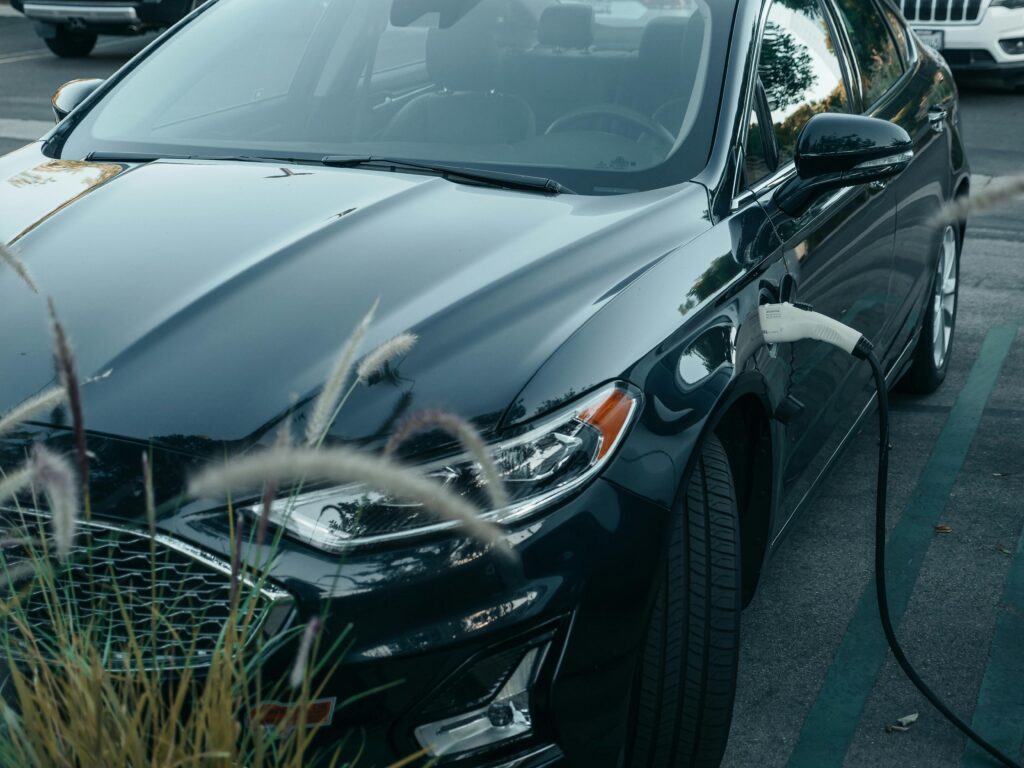
Electric vehicles in India have shifted from a futuristic idea to a practical choice for many drivers. As cities become more crowded and fuel prices keep rising, EVs have changed how people view personal transportation. What was once seen as an expensive experiment is now one of the most cost-effective and reliable ways to own and drive a car. This change is fueled by better battery technology, improved charging infrastructure, attractive incentives, and the growing trust of consumers who have extensively used their EVs.
However, while the excitement of buying an EV is strong, new buyers often wonder what happens with long-term use. Owning any vehicle for 100,000 km tests its durability, running costs, and long-term practicality. This is where the story of electric vehicles in India gets interesting. Unlike petrol or diesel cars, which need frequent servicing, oil changes, and the replacement of many mechanical parts, EVs run on simpler technology with far fewer components. Consequently, their wear and tear differ and are often much cheaper—over many years of use.
At the same time, the Indian EV market is changing rapidly. Models like the Tata Nexon EV, MG ZS EV, BYD Atto 3, and Tata Punch EV show that range anxiety is slowly decreasing. With improvements in charging networks, better thermal management systems, and stronger battery warranties, today’s EVs are designed to handle heavy daily use, including reaching the 100,000 km mark.
This makes assessing long-term costs not just important but essential. A real-world analysis of 100,000 km helps new buyers understand what they are actually signing up for. It provides insights into true charging costs, battery health, maintenance, resale value, and hidden expenses that don’t appear in the first year of ownership.
In this blog, we break down the real costs of owning electric vehicles in India after 100,000 km to help you determine if an EV truly offers value in the long run.
What Makes Electric Vehicles in India Different in Long-Term Ownership?
When it comes to long-term ownership, electric vehicles in India are different from traditional petrol and diesel cars in several important ways. Their engineering focuses on simplicity, efficiency, and durability, which affects how the vehicle performs over time. Recognizing these key differences explains why EV users often report lower running costs, fewer breakdowns, and a better ownership experience even after driving 100,000 km.
The main difference is in the mechanical design. While internal combustion engine (ICE) cars rely on hundreds of moving parts such as pistons, valves, fuel injectors, and exhaust systems, EVs have a much simpler setup. A typical electric motor has only a few moving parts, which significantly lowers friction, heat, and wear. This is why servicing an EV requires fewer replacements and results in fewer unexpected repairs, unlike an ICE car with many parts that can wear out.
Battery technology is another important factor. Modern lithium-ion batteries used in electric vehicles in India are built for long-lasting durability. Most carmakers provide warranties of 7 to 8 years or up to 160,000 km. This keeps owners covered during the early phase of the battery’s life. With better thermal management systems and advanced battery management software, today’s Indian EVs maintain steady performance even after years of everyday driving. While battery degradation does happen, most users see a slow and manageable decline, especially when they charge the car carefully and avoid excessive fast charging.
Regenerative braking is another long-term benefit specific to EVs. Each time an EV slows down, the motor transforms kinetic energy into electricity, which reduces wear on brake pads and lengthens their lifespan. For long-term owners, this means they need to replace brakes less often compared to petrol or diesel cars, which rely largely on friction-based braking systems.
Moreover, software is much more significant for the long-term performance of electric vehicles in India. Manufacturers often provide over-the-air updates that enhance range, efficiency, or driving behavior. This means an EV can actually improve over time, while ICE cars typically lose performance as they age.
These distinct engineering and technology advantages are key reasons many long-distance EV owners find that their ownership experience is smoother, quieter, and more cost-effective even after surpassing the 100,000 km mark.
Charging Costs After 100,000 km: How Much Do You Really Spend?
One of the main reasons people switch to electric vehicles in India is the much lower running cost compared to petrol or diesel cars. But what does charging really cost over a long period, say after driving 100,000 km? This section breaks down the numbers so you can see how economical an EV actually is over time.
The charging cost of an EV depends on two key factors: where you charge and how efficiently the car uses energy. Most EV owners in India charge at home, which is by far the cheapest option. With domestic electricity rates usually between ₹6 and ₹8 per unit, the cost per kilometer for an EV often drops to just ₹1 to ₹1.5. This means that over 100,000 km, a typical EV owner might spend about ₹1,00,000 to ₹1,50,000 on electricity—much lower than what they would spend on petrol or diesel.
To put this into perspective, a petrol car that gets 15 km/litre would use about 6,700 litres over 100,000 km. At ₹100 per litre, that’s almost ₹6,70,000 spent on fuel alone. Even a diesel car would cost over ₹5,00,000 in fuel for the same distance. This major difference is one of the strongest long-term benefits of electric vehicles in India.
Public charging presents a different picture. Fast chargers at highways or commercial stations usually charge between ₹18 and ₹25 per kWh. While this is pricier than home charging, many EV owners only use public DC chargers occasionally—mostly for long journeys. Even if 10% to 20% of your total 100,000 km is done through public charging, the overall cost still strongly favors EVs.
Another important factor is driving efficiency. Things like traffic, weather, road hills, and driving habits can affect an EV’s energy use. However, regenerative braking in electric vehicles helps recover energy during slow city driving, making them much more efficient than internal combustion engine cars in urban settings.
When you combine all of this, the charging cost over 100,000 km stands out as one of the biggest financial benefits of owning an EV. This consistency and predictability makes EVs very attractive to long-distance drivers.
Maintenance and Servicing Costs of Electric Vehicles in India
One of the main reasons people switch to electric vehicles in India is the much lower running cost compared to petrol or diesel cars. But what does charging really cost over a long period, say after driving 100,000 km? This section breaks down the numbers so you can see how economical an EV actually is over time.
The charging cost of an EV depends on two key factors: where you charge and how efficiently the car uses energy. Most EV owners in India charge at home, which is by far the cheapest option. With domestic electricity rates usually between ₹6 and ₹8 per unit, the cost per kilometer for an EV often drops to just ₹1 to ₹1.5. This means that over 100,000 km, a typical EV owner might spend about ₹1,00,000 to ₹1,50,000 on electricity—much lower than what they would spend on petrol or diesel.
To put this into perspective, a petrol car that gets 15 km/litre would use about 6,700 litres over 100,000 km. At ₹100 per litre, that’s almost ₹6,70,000 spent on fuel alone. Even a diesel car would cost over ₹5,00,000 in fuel for the same distance. This major difference is one of the strongest long-term benefits of electric vehicles in India.
Public charging presents a different picture. Fast chargers at highways or commercial stations usually charge between ₹18 and ₹25 per kWh. While this is pricier than home charging, many EV owners only use public DC chargers occasionally—mostly for long journeys. Even if 10% to 20% of your total 100,000 km is done through public charging, the overall cost still strongly favors EVs.
Another important factor is driving efficiency. Things like traffic, weather, road hills, and driving habits can affect an EV’s energy use. However, regenerative braking in electric vehicles helps recover energy during slow city driving, making them much more efficient than internal combustion engine cars in urban settings.
When you combine all of this, the charging cost over 100,000 km stands out as one of the biggest financial benefits of owning an EV. This consistency and predictability makes EVs very attractive to long-distance drivers.
Battery Health After 100,000 km: What Owners Can Expect
When people think about owning electric vehicles in India for the long term, a common question arises: “What happens to the battery after 100,000 km?” Understanding its health, degradation pattern, and long-term reliability is important for anyone planning to buy an EV.
The good news is that modern EV batteries are designed to last much longer than many expect. Lithium-ion batteries in today’s electric vehicles in India usually keep 80 to 90% of their original capacity after 100,000 km of use, provided there are good charging habits and regular maintenance. Many Indian EV owners have passed this milestone and reported that their cars still perform well and have a stable range with only minor, predictable wear.
Battery management systems play a big role in this. These smart systems control charging speed, track temperature, prevent overcharging, and optimize power delivery. All these factors help extend the battery’s lifespan. Additionally, most EVs now come with liquid-cooled battery packs, especially premium and mid-range models, which help maintain the right operating temperatures in India’s heat.
Charging habits also impact degradation. Frequent fast DC charging can speed up wear because of heat build-up, while slow AC home charging is gentler on the battery. Owners who mainly charge at home, avoid deep discharges, and keep battery levels between 20% and 80% usually see slower degradation rates. Regenerative braking also helps keep the battery healthy by reducing the load while driving.
Another reassurance for long-term EV owners is warranty coverage. Most electric vehicles in India come with battery warranties lasting 8 years or up to 160,000 km, which protects owners for most of their vehicle’s life. Some newer models even offer extended or lifetime warranties, further lowering the risk of unexpected battery replacement costs.
In real-world conditions, battery failures are rare, and degradation occurs gradually, not suddenly. Even at 100,000 km, most EVs still provide a practical range, dependable charging performance, and consistent efficiency. For many owners, this shows that EV batteries are much more durable and reliable than earlier doubts suggested.
Hidden Costs of EV Ownership No One Talks About
While the long-term costs of electric vehicles in India are generally lower than those of petrol or diesel cars, there are some hidden expenses that new buyers might not know about. These costs don’t come up often, but they can affect the overall ownership experience, especially when the vehicle surpasses 100,000 km. Knowing about them helps future EV owners prepare and avoid surprises.
One often overlooked factor is insurance costs. EV insurance tends to be somewhat higher than insurance for traditional vehicles due to expensive parts, particularly the battery pack and high-voltage electronics. Although the difference isn’t large each year, it adds up over several years of ownership. For cars that have crossed the 100,000 km mark, insurance premiums may also depend on the vehicle’s depreciated value and battery condition.
Another hidden cost relates to tyre wear. Electric vehicles in India offer instant torque, which can cause quicker tyre wear if the driver accelerates quickly. Additionally, EVs are typically heavier because of their large battery packs, putting more strain on tyres. Most owners report needing to replace one or two tyres before reaching 100,000 km, depending on road conditions and driving habits. This isn’t vastly different from traditional cars, but it’s still a recurring cost to keep in mind.
Software-related expenses also come into play. Many EVs depend heavily on software for improving performance, navigation, and efficiency updates. While most updates are free, some manufacturers provide premium connected features, subscription-only apps, or advanced driver-assistance features that may involve yearly fees. Over time, these optional subscriptions can increase the total cost.
Another important but subtle expense is repairs for electrical components. Although rare, failures in the onboard charger, DC converter, battery cooling system, or sensors can lead to more expensive repairs. These parts are specialized and need trained technicians, making repairs somewhat pricier than those for a conventional vehicle. The good news is that most of these components are covered by warranty for several years, but after the warranty period ends, repairs can become costly.
Finally, some EV owners may need to upgrade their home electrical systems. Installing a dedicated 15A or 7.2kW wall charger, enhancing wiring, or adding surge protection can increase initial costs, although this is usually a one-time expense.
Despite these hidden costs, most owners still find electric vehicles in India more economical in the long run, thanks to significantly lower charging and maintenance costs.
How EV Performance and Battery Health Hold Up After 100,000 km
One of the biggest concerns for new electric vehicle buyers in India is how the battery and performance hold up over time. With many early Electric vehicles in India adopters now surpassing the 1 lakh km milestone, real-world data is starting to provide a clear picture, and the results are surprisingly positive.
Most modern EVs use lithium-ion batteries that have effective thermal management systems. These systems keep the battery at the right temperature, preventing overheating and reducing long-term wear. Owners of popular EV models in India report battery degradation of about 5 to 12% after driving 100,000 km. This means the car still retains 88 to 95% of its original range, which is impressive compared to earlier EV technologies.
Performance also stays consistent. Unlike petrol or diesel engines that tend to lose power over time due to wear and tear, electric motors have very few moving parts. This allows Electric vehicles in India to maintain their instant torque and smooth acceleration even after years of use. Many owners say the car actually feels “newer” to drive because the motor doesn’t get noisier or rough with age.
Charging habits play an important role in long-term battery health. Owners who primarily use slow AC charging at home typically experience less battery degradation than those who frequently depend on fast DC chargers. Occasional fast charging is fine, but constant high-temperature charging can cause more wear.
Driving conditions also affect long-term performance. For example, city driving—with its regenerative braking—tends to help preserve battery life better than continuous high-speed highway driving. Regenerative braking also reduces brake pad wear, meaning many electric vehicles in India still have their original brake pads even after reaching 100,000 km.
Software updates help keep older Electric vehicles in India performing well. Many manufacturers provide over-the-air (OTA) updates that improve efficiency, smoothen throttle response, or enhance range prediction. These updates ensure the car doesn’t feel outdated even after several years.
Overall, long-term data shows that electric vehicles in India age much better than traditional cars. While range may slightly decline over time, performance, comfort, and driving feel remain very stable. Thanks to strong battery warranties often 8 years or 160,000 km—owners can feel confident in their reliability well past the 100,000 km mark.
Charging Network, Battery Swaps & How Infrastructure Impacts Long-Term Ownership
When looking at the long-term practicality of electric vehicles in India, one key factor is charging infrastructure. In recent years, India has quickly built up public chargers, home solutions, and even early battery-swapping networks. These developments greatly affect the convenience and real cost of owning an Electric vehicles in India after reaching the 100,000 km mark.
For most EV owners, home charging is the most dependable and cost-effective choice. Slow AC charging is gentle on the battery, reduces wear, and offers electricity rates as low as ₹6 to ₹8 per unit. This keeps long-term charging costs much lower than petrol or diesel. Many owners who drive a lot still prefer home charging because it ensures predictable expenses and removes the need to wait at public chargers.
As electric vehicles in India gain popularity, the public charging network has improved significantly. Fast chargers are now available along major highways, in malls, office buildings, and residential areas. For long-distance Electric vehicles in India users, this makes regular highway trips much easier. However, coverage varies by state, with cities like Bengaluru, Delhi, Pune, and Hyderabad leading the charge.
Battery-swapping stations, while still in the early stages, are emerging as an interesting option. They cut out charging time by allowing users to swap an empty battery for a fully charged one. Although this model is more common with two-wheelers and commercial fleets right now, it holds promise for four-wheelers too, especially for high-usage owners who want minimal downtime.
The quality of infrastructure also impacts long-term costs. Frequent fast charging may lead to slightly faster battery wear. Owners who rely on public fast chargers might see more range reduction after 100,000 km compared to those who primarily charge at home. However, modern thermal management systems are becoming efficient, making the impact less severe than it was in the past.
Overall, India’s growing charging network means that today’s Electric vehicles in India have far fewer challenges than early adopters. With better chargers, improved battery technology, and expanding highway coverage, electric vehicles in India are now much more practical for long-term ownership. The country is moving toward an ecosystem where charging is as easy as refueling, making EV life beyond 100,000 km even smoother.
Maintenance, Service Experience & Unexpected Costs Beyond 100,000 km
When it comes to long-term ownership, one of the biggest advantages of electric vehicles in India is their much lower maintenance needs. Unlike petrol or diesel cars, EVs have no engine oil, clutch, timing belt, or exhaust system. This simple setup greatly reduces both scheduled service costs and unexpected repairs, especially after reaching 100,000 km.
Most EVs need only basic periodic checks like brake inspection, cabin air filter replacement, coolant checks for battery cooling, and software updates. These routine services typically cost ₹1,000 to ₹3,000 per visit, which is much lower than the ₹6,000 to ₹12,000 common for ICE cars. Over 100,000 km, Electric vehicles in India owners can often save 40 to 60% on maintenance costs, making long-term ownership more affordable and less stressful.
Brake wear is another area where EVs perform well. Thanks to regenerative braking, many owners find that the original brake pads last 80,000 to 120,000 km or more. The electric motor slows the vehicle and recaptures energy, which reduces the strain on the physical brakes. This not only saves money but also improves driving comfort.
That said, no vehicle is completely free from unexpected expenses. For electric vehicles in India, the biggest potential cost is battery repair or replacement. While full battery replacements are rare, out-of-warranty repairs can be pricey. However, most Electric vehicles in India come with an 8-year or 160,000 km battery warranty, so issues within that time frame are usually covered.
Other unexpected costs can include:
- Tyre replacements, which depend on driving style and generally cost the same as ICE cars.
- Suspension repairs, especially in cities with rough roads. EVs are often heavier due to battery packs, which can put more stress on suspension parts after extended use.
- DC fast-charging port repairs, though uncommon, can happen due to dust, moisture, or frequent heavy use.
Another important point is the service experience. Most EV owners report quicker, cleaner, and more transparent service processes. With fewer mechanical parts, diagnosing issues is easier, and workshops don’t need as many specialized tools. Brands often use software-based diagnostics, making maintenance more predictable and efficient.
Overall, electric vehicles in India remain cost-effective and reliable even after 100,000 km. While minor unexpected expenses can come up, the lack of engine-related issues and strong battery warranties help keep total maintenance costs much lower than those for traditional cars.
Conclusion: Why Electric Vehicles in India Continue to Make Sense Even After 100,000 km
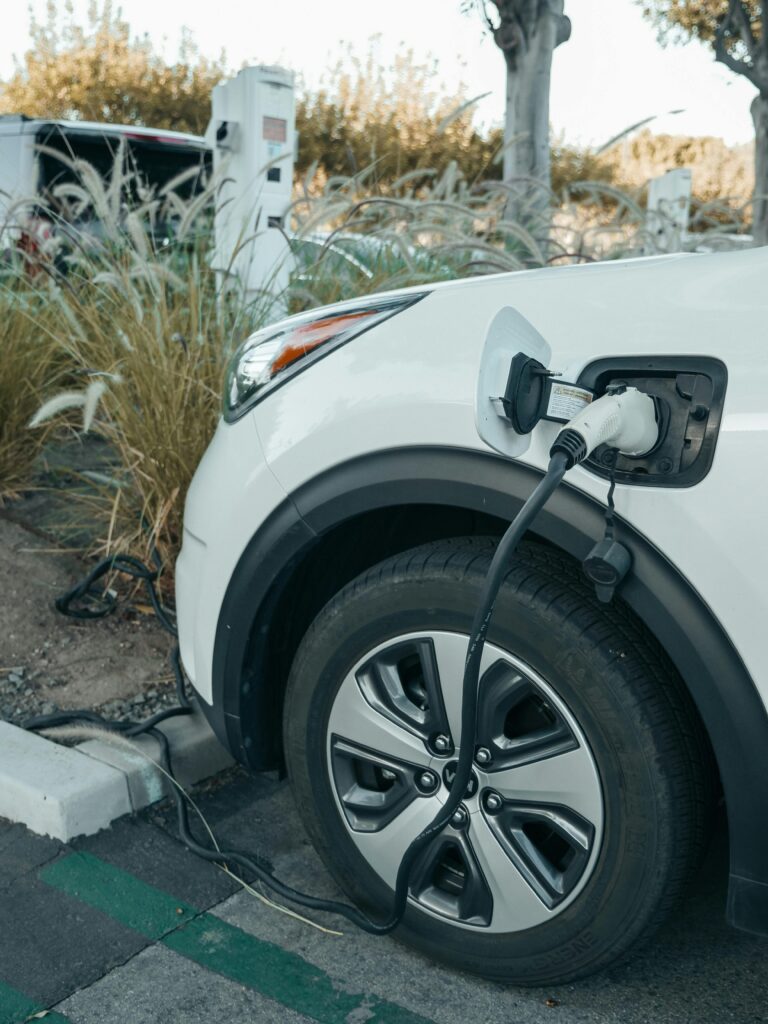
Reaching the 100,000 km milestone tests any vehicle’s durability, cost efficiency, and long-term reliability. With the rise of electric vehicles in India, many early adopters have crossed this landmark. This gives us real insights into how EVs age, their actual running costs, and whether they remain a smart investment. After looking at charging habits, maintenance needs, battery health, infrastructure growth, and resale value, one thing stands out: EVs continue to prove their popularity, even beyond the one-lakh-kilometer mark.
Long-term data shows that EVs age differently from traditional petrol and diesel cars. While internal combustion engine vehicles experience engine wear, oil leaks, clutch failure, and exhaust repair over time, electric vehicles have a simpler, more efficient drivetrain. With far fewer moving parts, EV motors keep delivering steady performance for years. Owners often report that their car still feels smooth, quiet, and responsive despite high mileage. This reliability is a big reason why electric vehicles in India are winning the trust of long-distance drivers.
Battery health, often a major concern for new buyers, has turned out to be much better than expected. Most EVs retain 88–95% of their battery capacity after 100,000 km, meaning range loss is minor and manageable. Good charging habits, temperature control, and strong warranties make long-term performance predictable. As more real-world data comes in, the worry about battery replacement is decreasing. Many EVs keep running on their original battery long after hitting the 1 lakh km mark.
Another major advantage for EVs is their low running and maintenance costs. Since there are no engine oil changes, clutch replacements, timing chain issues, or fuel injector cleanings, the overall service cost stays low. Regenerative braking greatly reduces brake wear and often extends brake pad life beyond 80,000 km. This cost benefit becomes even clearer when compared to rising petrol and diesel prices. Over 100,000 km, EV owners save a significant amount just from avoiding fuel expenses, making the long-term financial benefits clear.
The charging infrastructure in India is improving quickly. Home charging is the most affordable option, while public fast-charging stations now dot major highways and urban centers. The convenience of waking up every day to a fully charged vehicle is something owners truly value. Even for long trips, better charging networks ensure smoother journeys than ever. As infrastructure grows, the long-term practicality of electric vehicles in India will keep increasing.
Lastly, resale value trends show growing confidence among used car buyers. Since EV motors do not degrade like combustion engines, and battery warranties offer assurance, high-mileage EVs can still command good resale prices. This bolsters the case for EVs as lasting, value-retaining vehicles.
In conclusion, the real-world experiences of 100,000 km EV owners tell a positive story. Electric vehicles in India are proving to be durable, economical, low-maintenance, and ready for the future. Whether it’s for daily commuting, long-term savings, or environmental responsibility, EVs continue to shine even after a lakh kilometers. For anyone considering an EV, the long-term outlook is not just promising—it’s genuinely impressive.