
Table of Contents
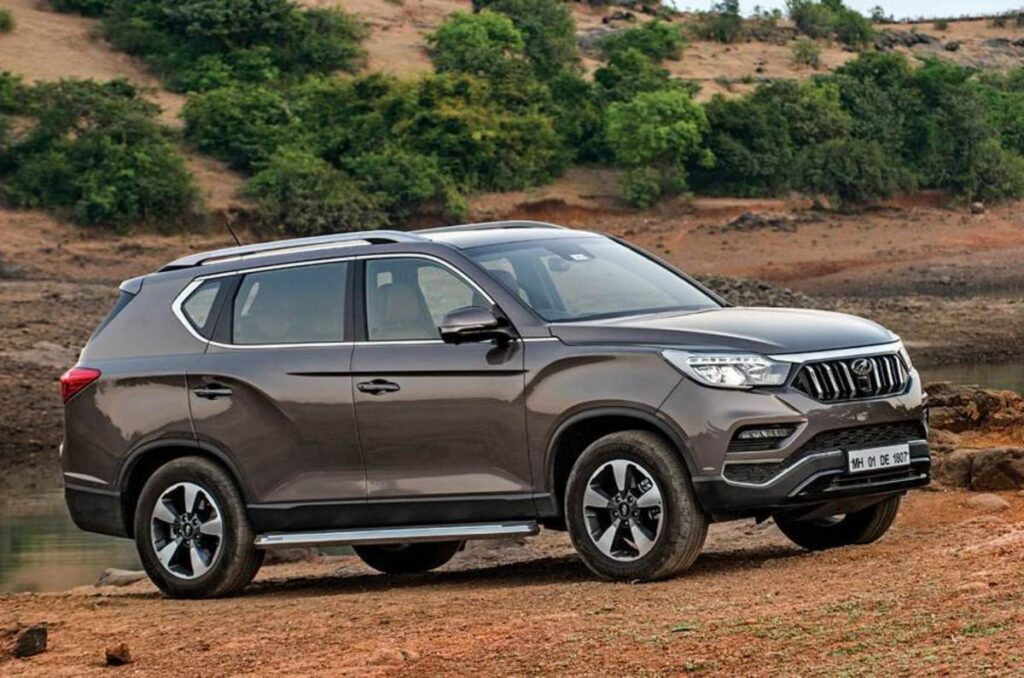
Introduction – The Rise and Sudden Exit of Mahindra Alturas G4
The Mahindra Alturas G4 was once viewed as Mahindra’s bold effort to enter the premium full-size SUV market in India. When it launched, expectations soared. Buyers thought Mahindra had finally developed a product that could compete with leaders like the Toyota Fortuner and Ford Endeavour. However, despite a promising start, the AlturasG4 was quietly discontinued, leaving many customers confused and disappointed. This is why people still search for the reasons behind the discontinuation of the Mahindra AlturasG4 in India.
As Mahindra’s flagship SUV, the Alturas G4 was marketed as a premium, feature-rich alternative to established competitors. It was based on the SsangYong Rexton, an SUV sold worldwide by Mahindra’s former subsidiary, SsangYong Motor Company. On paper, the AlturasG4 had a lot going for it: a powerful diesel engine, luxurious interiors, modern safety features, and a strong road presence. Yet, none of this led to lasting success in the Indian market.
The discontinuation was even more surprising because Mahindra did not officially provide a clear reason. The SUV simply vanished from dealerships and the company’s website. This quiet exit led to curiosity and speculation, making “Mahindra Alturas G4 discontinued reason” a common search topic even today.
The failure of the Alturas G4 is not just about one vehicle disappearing. It reflects deeper issues tied to pricing strategy, brand image, market dynamics, and changing consumer preferences in India. While Mahindra is widely trusted in the mass and mid-size SUV segments, the premium SUV market operates differently. Buyers spending over ₹35–40 lakh often prioritize brand reputation, long-term reliability, and resale value over mere features.
Timing also played a crucial role. The Alturas G4 entered the market when competition was fierce. Soon after, the full-size SUV segment began to shrink due to rising fuel prices, stricter emission standards, and a shift toward more practical monocoque SUVs. These changes significantly influenced the AlturasG4’s outcome.
Today, Mahindra is thriving with models like the Scorpio-N and XUV700, which makes the Alturas G4’s failure more intriguing to explore. Understanding why the Mahindra AlturasG4 struggled in India helps clarify how even a technically sound product can fail if it does not fit perfectly with market demands.
In this blog, we will examine the full story behind the discontinuation of the Mahindra Alturas G4—from its launch strategy and pricing to sales performance, brand challenges, and Mahindra’s future plans. By the end, you will clearly understand what went wrong and why the AlturasG4 could not survive in India.
Mahindra Alturas G4: Background & Launch Strategy
To understand why the Mahindra Alturas G4 was discontinued in India, we need to look at its background and the strategy behind its launch. The AlturasG4 wasn’t a brand-new vehicle made just for India; it was a rebadged version of the SsangYong Rexton, a premium SUV available in global markets. At the time, Mahindra owned SsangYong Motor Company, and the AlturasG4 was their effort to introduce a proven product to Indian buyers.
Mahindra launched the Alturas G4 as its most premium and expensive SUV. The company aimed to move away from its traditional image of rugged, value-for-money SUVs and enter the luxury SUV market. The Alturas G4 was positioned above models like the Scorpio and XUV500, targeting buyers who were considering the Toyota Fortuner or Ford Endeavour but wanted something different.
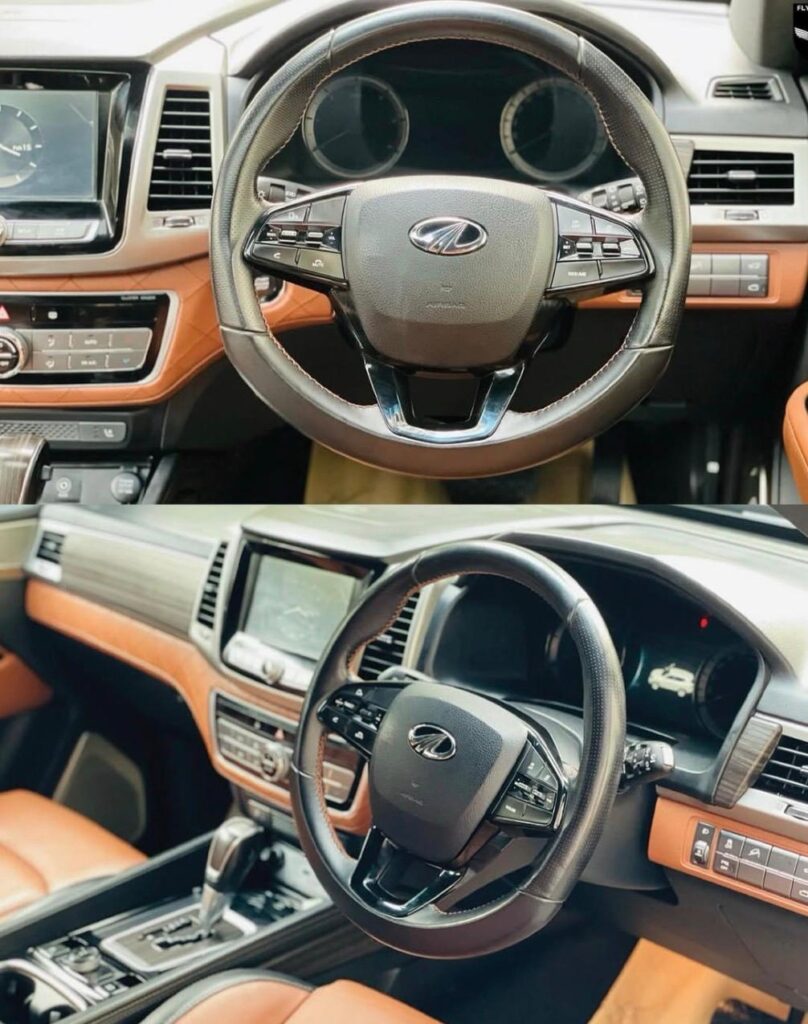
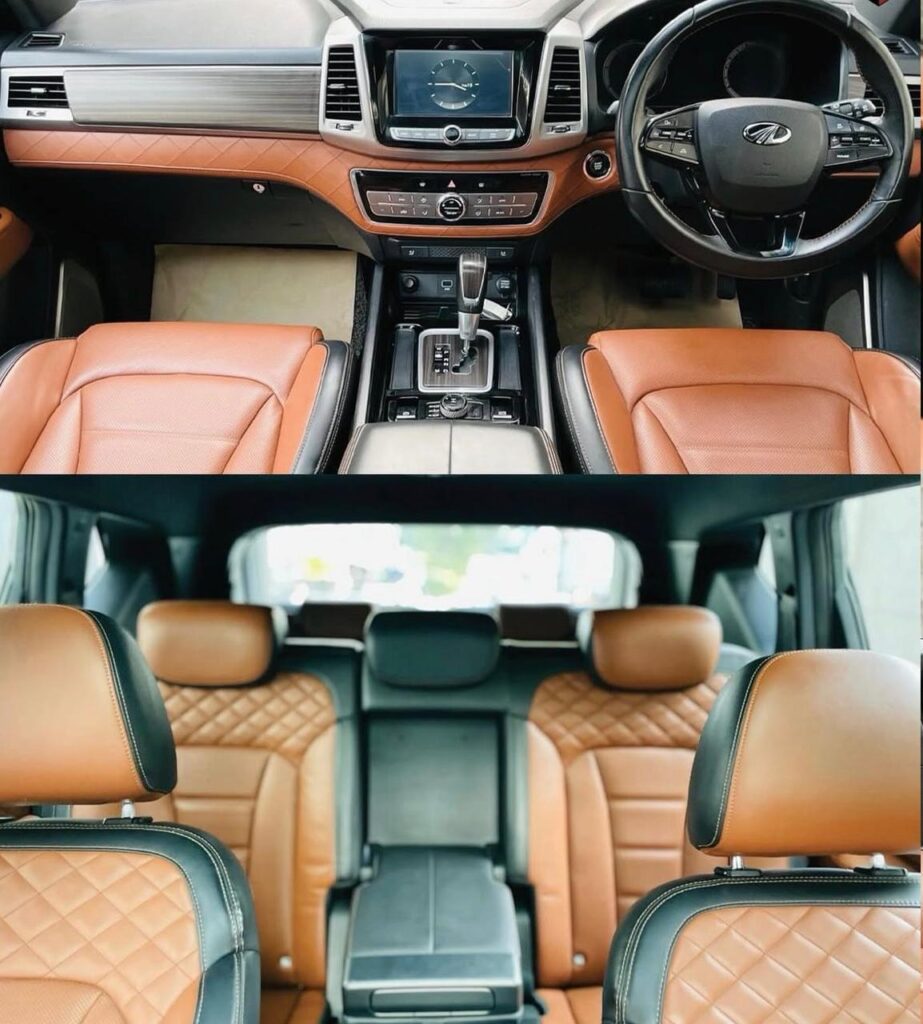
From a product perspective, the Alturas G4 was impressive. It featured a 2.2-liter diesel engine, automatic transmission, and a sophisticated four-wheel-drive system. The interiors were definitely premium, with leather upholstery, ventilated seats, advanced infotainment, and several safety features. On paper, it offered more luxury features than some rivals, which made Mahindra confident about its positioning.
However, the launch strategy had several weaknesses. Mahindra didn’t invest much in marketing the Alturas G4. Unlike the Scorpio or XUV series, which received aggressive promotion, the Alturas G4 had a relatively low-key launch. Many potential buyers were unaware of the product or its premium position. This lack of strong brand communication affected showroom visits.
Another key issue was brand alignment. Mahindra was— and still is—known for rugged, utilitarian vehicles rather than luxury SUVs. While they tried to elevate the Alturas G4 by calling it a “global premium SUV,” convincing buyers to spend a huge amount on a Mahindra-branded luxury SUV proved difficult. In the premium segment, buyers often focus on brand image as much as the product itself.
Dealer preparedness was also a concern. Many Mahindra dealerships were used to selling mass-market SUVs and didn’t provide the premium showroom experience that high-end customers expect. This mismatch further hurt the Alturas G4’s market acceptance.
Looking back, Mahindra’s choice to introduce the Alturas G4 without creating a separate premium identity or sub-brand likely damaged its chances. While the product was strong, the strategy to market it as a luxury SUV under the Mahindra name didn’t resonate well with Indian buyers.
This flawed launch strategy set the stage for the challenges that eventually led to the discontinuation of the Mahindra Alturas G4 in India.
Pricing & Positioning Issues
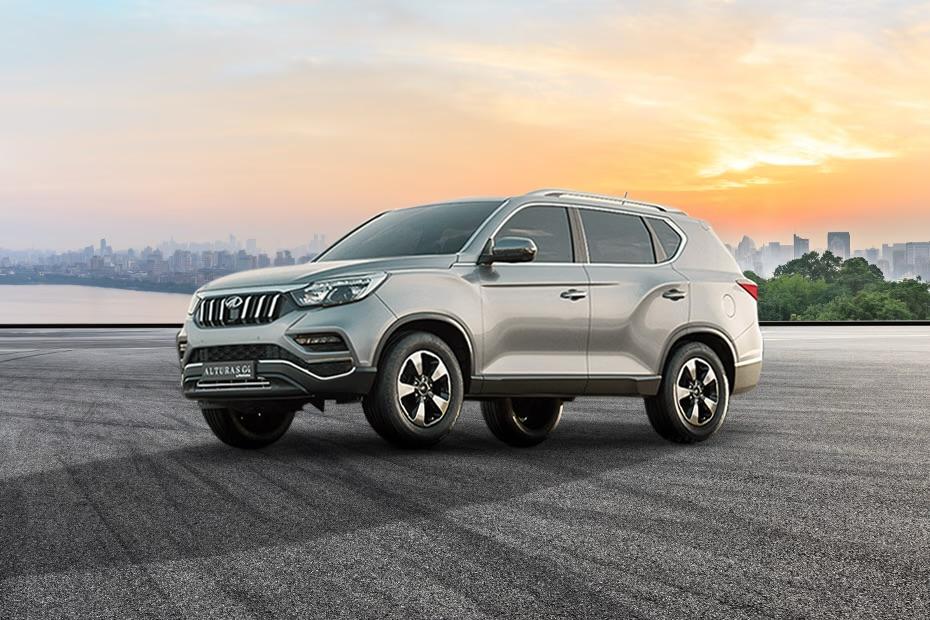
One of the main reasons Mahindra discontinued the Alturas G4 in India was its pricing and positioning strategy. In the Indian market, pricing involves more than just numbers—it also reflects perceived value, brand image, and long-term trust. Unfortunately, the Alturas G4 faced challenges on all these fronts.
When Mahindra launched the Alturas G4, it was priced similarly to the Toyota Fortuner and Ford Endeavour, both of which were already well-established and trusted in the full-size SUV segment. While the Alturas G4 had premium features and a strong engine, Indian buyers found it hard to justify paying the same amount for a Mahindra vehicle when competitors had greater brand recognition and proven reliability.
The pricing issue became more significant because the Alturas G4 did not seem aspirational enough for its cost. In the premium SUV segment, buyers expect exclusivity, status, and strong resale value. Brands like Toyota have built that trust over many years. Mahindra, although a respected manufacturer, was still viewed mostly as a mass-market brand. This created a perception gap; buyers questioned whether the Alturas G4 really justified its high price.
Another problem was the limited choice of variants. Mahindra offered the Alturas G4 in fewer trims than its rivals, reducing options for customers and making it harder for them to find a version that fit their budget. In contrast, competitors provided multiple variants at different price points, making their offerings more accessible.
Additionally, Mahindra did not clearly distinguish the AlturasG4 from its own vehicle lineup. Customers visiting a Mahindra showroom often compared the AlturasG4 with the much cheaper Scorpio or XUV500, which weakened its premium appeal. When shoppers see a large price gap within the same brand, they often question the value.
The diesel-only engine further limited its appeal. At a time when some buyers wanted petrol or hybrid options, the Alturas G4 did not offer any flexibility. This constraint narrowed its potential customer base.
In summary, the Alturas G4 was priced like a luxury SUV but seen as a premium mass-market product. This disconnect between pricing and perception played a significant role in its weak sales and ultimately explains why Mahindra discontinued the Alturas G4 in India.
Low Sales Numbers & Market Response
Another major reason for the discontinuation of the Mahindra Alturas G4 in India was its consistently low sales performance. Regardless of how strong a product may appear on paper, the Indian automobile market ultimately decides a car’s fate based on numbers. The Alturas G4 struggled almost from the start.
After its launch, the AlturasG4 failed to attract steady demand. Monthly sales figures stayed extremely low, often falling into double digits. This is worrying for any mass-market manufacturer. In contrast, competitors like the Toyota Fortuner regularly posted strong and stable sales, even in slower markets. This sharp difference clearly showed how poorly the Alturas G4 was accepted.
One key problem was a lack of visibility and awareness. Many potential buyers either did not know about the AlturasG4 or did not fully understand its benefits compared to competitors. Mahindra did not promote the SUV vigorously, so it never made it into the mainstream buyer’s consideration. In a segment where emotional appeal and brand recognition are crucial, this lack of marketing hurt the Alturas G4 significantly.
Dealers also faced challenges when trying to sell the vehicle. With low demand, many dealerships did not maintain enough stock of the Alturas G4. This further limited test-drive opportunities, creating a harmful cycle. Low demand led to less stock, and less stock resulted in even lower interest. For a premium SUV, a limited showroom presence sends the wrong message to buyers.
Customer feedback showed hesitation rather than excitement. Buyers who visited showrooms often compared the AlturasG4 with the Fortuner or Endeavour and ultimately chose the more established options. Worries about long-term reliability, resale value, and service costs overshadowed the Alturas G4’s features. This hesitation directly affected booking numbers.
Another crucial factor was timing. The AlturasG4 hit the market just before significant industry changes such as BS6 emission norms, rising fuel prices, and shifting consumer preferences towards more practical monocoque SUVs. These shifts further reduced demand in the already small full-size ladder-frame SUV segment.
Over time, maintaining production for such low volumes became financially unfeasible for Mahindra. Low sales meant poor economies of scale, higher costs, and unsold inventory. From a business perspective, discontinuation was the most sensible choice.
In summary, weak sales, poor market response, and limited buyer confidence were key factors in the decision to discontinue the Mahindra Alturas G4 in India. The SUV never gained the necessary momentum to survive in one of the most competitive segments of the Indian car market.
Brand Perception & Trust Gap
Another main reason for the end of the Mahindra Alturas G4 in India was its consistently low sales. No matter how good a product looks on paper, the Indian automobile market judges a car’s success by the numbers. The Alturas G4 struggled from the beginning.
After its launch, the Alturas G4 could not attract steady demand. Monthly sales figures remained very low, often in double digits. This is concerning for any mass-market manufacturer. In comparison, competitors like the Toyota Fortuner consistently achieved strong and stable sales, even in slower markets. This clear difference showed how poorly the Alturas G4 was received.
One major issue was the lack of visibility and awareness. Many potential buyers either did not know about the Alturas G4 or did not fully grasp its advantages over competitors. Mahindra did not promote the SUV effectively, so it never really entered mainstream buyers’ considerations. In a segment where emotional appeal and brand recognition matter, this lack of marketing hurt the Alturas G4 significantly.
Dealers also had problems when trying to sell the vehicle. With low demand, many dealerships did not keep enough stock of the Alturas G4. This limited test-drive opportunities, leading to a harmful cycle. Low demand caused less stock, and less stock created even lower interest. For a premium SUV, a limited presence in showrooms sends a negative message to buyers.
Customer feedback reflected hesitance rather than excitement. Buyers who visited showrooms often compared the Alturas G4 with the Fortuner or Endeavour and ultimately chose the more established options. Concerns about long-term reliability, resale value, and service costs overshadowed the Alturas G4’s features. This hesitance directly impacted booking numbers.
Timing was another key factor. The Alturas G4 entered the market just before significant industry changes, such as BS6 emission norms, rising fuel prices, and shifting consumer preferences toward more practical monocoque SUVs. These changes further decreased demand in the already small full-size ladder-frame SUV segment.
Over time, keeping production going for such low volumes became financially unfeasible for Mahindra. Low sales meant poor economies of scale, higher costs, and unsold inventory. From a business standpoint, discontinuation was the most logical choice.
In summary, weak sales, poor market response, and limited buyer confidence were crucial factors in the decision to discontinue the Mahindra Alturas G4 in India. The SUV never gained the necessary momentum to thrive in one of the most competitive segments of the Indian car market.
Product Limitations & Missed Opportunities
While pricing and brand perception were significant factors, the product itself had limits that led to the discontinuation of the Mahindra Alturas G4 in India. Although the Alturas G4 appeared strong on paper, it did not keep up with changing market needs and competitors.
One major drawback of the Alturas G4 was its limited powertrain options. The SUV came with only one diesel engine and an automatic transmission. Although this engine was powerful and smooth, the lack of a petrol variant greatly restricted its appeal. Many urban buyers were moving toward petrol SUVs due to rising diesel costs and stricter regulations, but the Alturas G4 did not offer this choice.
Another lost chance was the absence of hybrid or electric options. As awareness of environmental issues grew and emission standards became tougher, competitors started looking into alternative powertrains. Mahindra, which has strong EV knowledge now, did not launch an electrified version of the Alturas G4, which could have helped it stand out as a modern premium SUV.
Feature updates were also irregular. Although the Alturas G4 was well-equipped at first, it did not see regular updates to remain competitive. Rivals kept adding advanced infotainment systems, connected technology, and driver assistance features, while the Alturas G4 remained mostly unchanged. In the premium segment, stagnation can quickly lead to being overlooked.
Another challenge was the limited variant strategy. Mahindra offered very few variants of the Alturas G4, which limited customer options. Buyers could not easily find a version that fit their budget or feature needs. This lack of choice made the AlturasG4 less attractive compared to competitors with wider variant ranges.
Interior customization options were also lacking. In a premium SUV, buyers typically expect various interior themes, personalization choices, and luxury details. The Alturas G4, though comfortable, did not provide enough variety to justify its premium status.
Finally, the SUV did not build a strong emotional connection with buyers. Unlike iconic models that develop over time, the Alturas G4 felt more like a one-off product than a lasting brand icon. This lack of continuity further undermined buyer confidence.
In summary, even though the Alturas G4 was a capable SUV, it missed key opportunities in powertrain variety, feature updates, and product strategy. These factors were crucial in why Mahindra AlturasG4 did not succeed in India.
After-Sales, Service & Ownership Concerns
After-sales experience is essential for the success of any premium vehicle. This was another area where the Mahindra Alturas G4 struggled, which ultimately contributed to its discontinuation in India. For buyers investing a significant amount of money in an SUV, the ownership journey after purchase is often more important than the initial list of features.
One major concern among potential buyers was service consistency. While Mahindra has a wide service network across India, it mainly focuses on mass-market vehicles like the Bolero, Scorpio, and XUV series. Premium SUV customers expect a different level of attention, including faster turnaround times, specialized technicians, and a more polished service experience. Unfortunately, many Mahindra dealerships were not adequately prepared to provide this premium ownership experience for the Alturas G4.
Another key issue was the availability and perception of spare parts. Since the Alturas G4 was based on the SsangYong Rexton and sold in very limited numbers, buyers worried about the long-term availability of spare parts. This concern was valid, as low sales often lead to higher costs and longer wait times for sourcing parts. Additionally, even the perception of high maintenance costs can deter buyers in the premium segment.
Resale value also influenced buyer hesitation. Vehicles like the Toyota Fortuner have excellent resale value, which reassures buyers about long-term costs. However, the Alturas G4 did not inspire similar confidence. Because of its niche status and low demand, many buyers feared significant depreciation, making it a less appealing financial choice.
Customer feedback indicated uncertainty about long-term reliability and support, especially after Mahindra reduced its involvement with SsangYong. Buyers questioned what would happen if the model was discontinued or if global support decreased—concerns that later proved to be valid.
In the premium SUV market, trust in after-sales support is crucial. Although Mahindra made efforts to improve service quality over time, the Alturas G4 did not build enough confidence among buyers. This lack of trust in the ownership experience significantly affected demand and was a key reason the Mahindra Alturas G4 failed in India.
Impact of Ford Endeavour Exit & Segment Shift
Another important reason why Mahindra Alturas G4 was discontinued in India was the shifting dynamics of the Indian SUV market. When the Alturas G4 was launched, the full-size ladder-frame SUV segment was already slowing down. This segment continued to shrink due to various economic and consumer changes.
Full-size SUVs like the Fortuner and Endeavour used to be popular for their strong road presence, off-road capability, and tough build. However, Indian buyers gradually started moving toward monocoque SUVs that provided better comfort, easier handling, and improved fuel efficiency. Vehicles like the Hyundai Tucson, Jeep Compass, and later the Mahindra XUV700 began to attract buyers looking for premium features without the bulk and high costs of large ladder-frame SUVs.
Rising fuel prices also played a major role. Large diesel SUVs like the Alturas G4 are costly to operate and maintain. This directly affected the demand for heavy, full-size SUVs.
Stricter emission rules, especially the shift to BS6 standards, caused another major disruption. Meeting the new regulations increased vehicle costs significantly, especially for low-volume models like the Alturas G4. For Mahindra, upgrading the Alturas G4 to comply with the new standards while staying profitable became increasingly challenging.
The exit of Ford Endeavour from India further highlighted how tough the segment had become. Even a well-known brand like Ford found it hard to maintain operations in this area. This exit lowered overall consumer confidence in the segment and made buyers reluctant to invest in niche premium SUVs.
Additionally, the rise of feature-packed mid-size SUVs blurred the lines between segments. Buyers realized they could get advanced safety features, strong engines, and high-quality interiors in vehicles that cost much less than the Alturas G4. This shift greatly diminished the appeal of full-size SUVs for urban buyers.
In this changing market, the Alturas G4 ended up stranded in a shrinking segment with limited demand. From a business standpoint, keeping such a product going no longer made sense, which explains why Mahindra Alturas G4 failed in India.
Mahindra’s Strategic Shift – Focus on XUV & EVs
To understand why Mahindra discontinued the Alturas G4 in India, we need to consider Mahindra’s broader business strategy during that time. The decision to stop producing the Alturas G4 was not made in isolation. It was part of a shift where Mahindra decided to concentrate on segments with higher demand, stronger brand presence, and better growth potential.
Mahindra looked at market trends and recognized that its strength lay in the mid-size and lifestyle SUV segments, rather than in the premium full-size SUV market. Models like the Scorpio, Scorpio-N, and XUV series had established strong brand loyalty and high sales. Instead of pouring money into a slow-selling premium SUV like the Alturas G4, Mahindra chose to invest in products that offered better returns and had a greater impact on the brand.
This strategy proved successful with the launch of the Mahindra XUV700. The XUV700 featured modern technology, powerful engines, improved safety features, and competitive pricing—exactly what Indian buyers wanted. It provided a premium experience at a more affordable price, making the Alturas G4 seem unnecessary in Mahindra’s lineup.
The Scorpio-N also strengthened Mahindra’s position in the rugged SUV market. It appealed to buyers looking for road presence and durability without paying the high prices of the Fortuner. With these successful models, Mahindra demonstrated that it could offer premium features without venturing into the risky high-end segment of the Alturas G4.
Another key point was Mahindra’s shift toward electric mobility. The company began to invest heavily in electric SUVs under its Born Electric (BE) platform. Creating electric vehicles requires a lot of money and long-term planning. Mahindra chose to focus on future-ready electric vehicles rather than supporting a low-volume diesel SUV like the Alturas G4.
Moreover, Mahindra’s reduced global involvement with SsangYong made it harder to justify continuing the Alturas G4. Since the SUV relied heavily on SsangYong’s platform and parts, long-term support and updates became uncertain. From a strategic viewpoint, discontinuing the Alturas G4 allowed Mahindra to simplify its operations and concentrate on in-house platforms.
In short, the Alturas G4 was discontinued not because Mahindra failed as a company, but because Mahindra evolved as a brand. By focusing on SUVs that better matched Indian consumer preferences and future trends, Mahindra made a smart long-term decision, even if it meant giving up its most premium SUV.
Final Verdict – Why Mahindra Alturas G4 Failed in India
The story of the Mahindra Alturas G4 shows how a strong product can still fail if it doesn’t match market needs. When we consider all the factors, it’s clear why Mahindra discontinued the Alturas G4 in India—it wasn’t just one mistake, but a mix of strategic, market, and perception challenges.
First, the pricing and positioning worked against the Alturas G4. While it was priced like well-known premium SUVs such as the Toyota Fortuner, it couldn’t compete with their brand trust, resale value, or aspirational appeal. Indian buyers in this price range tend to be cautious. Most prefer established brands over trying a Mahindra luxury SUV.
Second, the gap in brand perception was crucial. Mahindra is known for robust, value-focused SUVs. However, premium buyers look for a luxury experience, from the showroom to after-sales service. Without a separate premium sub-brand or specialized retail experience, the Alturas G4 had a hard time being seen as a true luxury SUV.
Third, low sales volumes made it unsustainable. Weak demand led to limited dealer interest, decreased visibility, and higher concerns about ownership. Keeping production and support for a low-volume vehicle didn’t make financial sense, especially when Mahindra had more successful products in its lineup.
Product limitations also played a role. The absence of petrol or hybrid options, a limited range of variants, and slow feature updates diminished the Alturas G4’s appeal over time. Meanwhile, the market moved away from large ladder-frame SUVs in favor of more efficient and feature-rich monocoque SUVs.
Finally, Mahindra’s strategic shift determined the Alturas G4’s fate. By focusing on popular models like the XUV700 and Scorpio-N, and investing in electric vehicles, Mahindra chose a direction that promised future growth instead of holding onto a struggling premium SUV.
Key Lessons from the Alturas G4
- A strong product isn’t enough—brand perception is vital.
- Premium segments need consistent service quality and trust.
- Pricing must reflect emotional value and resale potential, not just features.
- Market timing and segment trends can decide a model’s success or failure.
In conclusion, Mahindra discontinued the Alturas G4 not because it was a bad SUV, but because it entered the market at the wrong time, with the wrong strategy, in a segment that didn’t support it anymore. Today, Mahindra’s success with newer SUVs shows that learning from failure can lead to even greater accomplishments.