
Table of Contents
Introduction
Driving in 2026 is more comfortable and tech-driven than ever. Modern vehicles come with smart dashboards, automated alerts, better fuel efficiency systems, and improved safety features that aim to reduce accidents and mechanical failures. However, despite these advancements, unexpected roadside emergencies still affect drivers on city streets, highways, and remote routes. Mechanical breakdowns, battery failures, tire punctures, and sudden weather shifts can happen at any time, often without warning. Because of this unpredictability, having the right maintenance tools in your car is now a crucial aspect of responsible vehicle ownership and personal safety.
Being prepared is key to easing panic and confusion during stressful situations on the road. When a vehicle suddenly stops or shows warning signs, drivers with the right emergency and maintenance gear can respond calmly and effectively. Instead of waiting for roadside assistance—which can take a while depending on traffic, location, or service availability—a well-equipped driver can address minor issues right away. This independence saves time and also keeps passengers safer from risky situations like dark highways, isolated roads, or severe weather. In today’s fast-paced world, the ability to fix small car problems quickly is both practical and empowering.
Another important reason to have essential maintenance tools is the rising cost of emergency services and last-minute repairs. Small mechanical issues that could be handled with basic maintenance tools often turn into costly service calls when drivers aren’t prepared. For instance, a simple battery discharge, low tire pressure, or loose connection can usually be fixed in minutes with the right equipment. Without those tools, drivers may end up needing towing services, paying workshop labor fees, and waiting for hours. Therefore, investing in a compact set of reliable maintenance tools can lead to substantial savings over time, while also ensuring safe travel.
Safety awareness among drivers is also changing quickly in 2026. People are becoming more aware of travel readiness, family safety, and emergency planning for long trips or daily commutes. Carrying an organized car emergency kit is now seen as a smart habit rather than a luxury. Whether someone is a new driver, a daily commuter, or a road trip lover, being prepared fosters confidence and peace of mind. Knowing that essential maintenance tools are in the trunk allows drivers to concentrate on their journey instead of worrying about potential breakdowns or unexpected challenges.
This guide outlines seven key maintenance tools that every driver should have in their vehicle this year. Each tool serves a clear purpose—from restoring battery power and maintaining tire pressure to ensuring visibility and managing minor injuries. Together, they create a straightforward yet effective safety system that supports smooth and secure travel in various conditions. By recognizing their importance and keeping them on hand, drivers can turn uncertain roadside situations into manageable ones.
In the following sections, we will discuss these essential maintenance tools individually, covering how they work, why they matter in 2026, and how they help ensure smarter, safer, and more confident driving for everyone on the road.
Compact Emergency Kit Basics
Creating a compact emergency kit is one of the smartest decisions a driver can make in 2026. Many people understand the importance of keeping maintenance tools in their vehicle, but the real challenge is picking the right items without overcrowding the trunk. An effective emergency kit isn’t about carrying a bunch of rarely used maintenance tools. It should focus on practicality, portability, and real-world usefulness. Drivers should aim to build a balanced collection of essential maintenance tools that can handle common roadside problems while remaining easy to store and access during urgent moments.
The first principle of a well-designed emergency kit is purpose-driven selection. Every item included should address a specific and likely issue, such as battery failure, tire pressure loss, poor visibility, or minor injuries. Random maintenance tools that do not have a clear function only add weight and confusion during emergencies. In stressful roadside situations, drivers need quick solutions, not clutter. A carefully chosen kit ensures that each tool contributes directly to safety, mobility, or temporary repair, making the entire setup more efficient and reliable.
Another key factor is compact organization. Modern emergency kits fit into small storage bags or foldable cases that can easily be placed in the trunk, under a seat, or inside a side compartment. Organized compartments help drivers find maintenance tools instantly instead of searching through loose items. Time is very valuable during breakdowns, especially on busy highways or in unsafe areas. A neat, structured arrangement reduces panic and allows for faster action, which can prevent further damage or danger.
Durability and quality also play a major role in selecting maintenance tools for an emergency kit. Cheap or poorly made maintenance tools may fail at the exact moment they are needed, turning a manageable issue into a serious problem. Drivers should prioritize sturdy materials, reliable battery-powered devices, and weather-resistant storage bags. Since emergency tools may stay unused for long periods, they must still work well when required. Investing in dependable equipment once is far better than dealing with repeated failures during critical roadside situations.
Multi-purpose functionality is another important trend in emergency preparedness for 2026. Drivers now prefer maintenance tools that can perform more than one task, such as flashlights with emergency signals, jump starters with USB charging ports, or inflators that include digital pressure gauges. These smart combinations reduce the number of separate items needed while increasing overall usefulness. As vehicles become more technologically advanced, emergency kits are also evolving to be smarter, lighter, and more versatile for modern travel needs.
Regular maintenance of the emergency kit itself is equally essential. Many drivers prepare a kit once and then forget about it entirely. However, batteries can discharge, first aid supplies can expire, and maintenance tools can become damaged over time. Checking the kit every few months ensures that everything remains functional and ready for real emergencies. This simple habit turns an ordinary storage bag into a dependable safety system that supports every journey throughout the year.
In the end, a compact emergency kit represents confidence, responsibility, and smart planning. It empowers drivers to face uncertainty calmly instead of with fear. By choosing practical, high-quality, and multi-purpose maintenance tools—and keeping them organized and well-maintained—any driver can significantly improve roadside safety and travel peace of mind in 2026
Check Price of the Product Below: https://amzn.to/45YJHvd
Jumper Cables or Portable Jump Starter as a Critical Maintenance Tools
Among every emergency item a driver can keep in a vehicle, jumper cables or a portable jump starter are essential for daily reliability in 2026. No matter how sophisticated modern cars get, battery failure is still a common roadside issue worldwide. A drained battery can leave a driver stranded in parking lots, office basements, on highways, or in unfamiliar places. Because of this, having a reliable battery-support tool is no longer optional; it is a basic requirement for safe and uninterrupted driving.
Traditional jumper cables have been a trusted maintenance tools for decades. They let one vehicle transfer power to another, helping to restart an engine within minutes. Even today, jumper cables are a cost-effective and easy-to-use tool that every driver can understand with minimal guidance. However, they require another vehicle to work, which may not be available in remote areas or late at night. This limitation is why portable jump starters have quickly become the preferred battery maintenance tools in modern emergency kits.
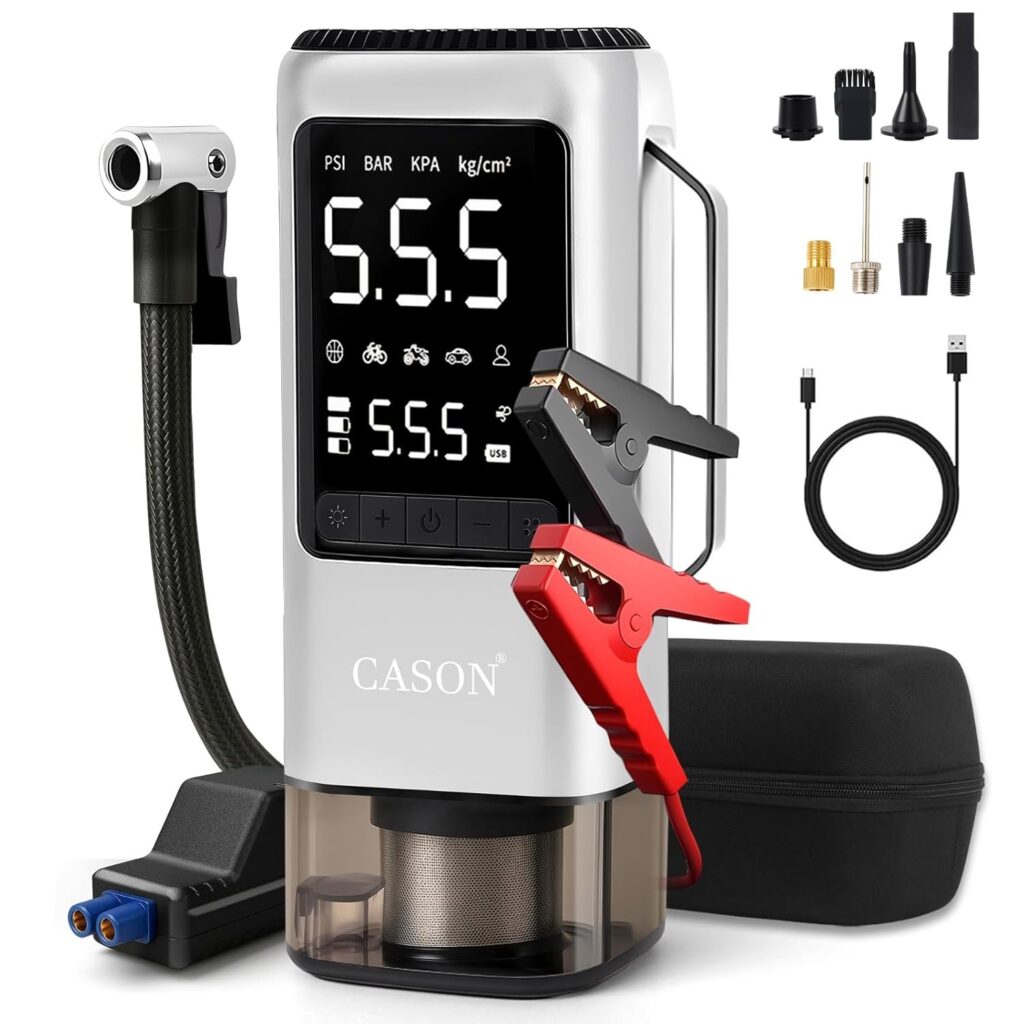
A portable jump starter operates independently without needing another car, making it a great self-reliance tool for drivers. Compact lithium-powered models can restart a dead battery in seconds and often come with additional features like USB charging ports, LED flashlights, and safety protection systems. Since one device offers multiple emergency functions, the jump starter is evolving into a smart all-in-one tool designed for modern travel needs. Having this single tool can cut down on long waits for roadside assistance and lessen stress during urgent situations.
Safety is another major reason why this battery-recovery maintenance tools is important. Being stranded on a dark highway or in an unsafe spot raises risks for both drivers and passengers. A quick restart with a reliable tool allows immediate movement toward safety. This ability to respond quickly turns a potentially dangerous breakdown into a short and manageable delay. In emergency preparedness, few tools offer such a strong combination of speed, independence, and protection.
Cost savings highlight the value of keeping this tool in every vehicle. Roadside assistance, towing fees, and workshop visits can add up, especially for a simple issue like a dead battery. A one-time investment in quality jumper cables or a portable jump starter can prevent repeated emergency costs for years. This makes battery-support tools one of the smartest and most practical automotive purchases in 2026.
To keep this tool dependable, regular checks are necessary. Portable jump starters should be recharged periodically, and jumper cables should be examined for damaged wires or loose clamps. Proper storage in a dry and organized emergency kit ensures long-term performance. Keeping the tool maintained is crucial for success during real roadside emergencies.
Ultimately, jumper cables or a portable jump starter symbolize independence, preparedness, and smart vehicle ownership. As cars continue to embrace new technology, the need for a reliable battery maintenance tools remains unchanged. Keeping this powerful tool in your vehicle ensures that a dead battery never becomes a trip-ending crisis. This allows every driver to travel with greater confidence, safety, and peace of mind throughout 2026 and beyond.
Check Price of the Product Below: https://amzn.to/4rGJbdN
Warning Triangle and Flashlight as Essential Visibility Maintenance Tools
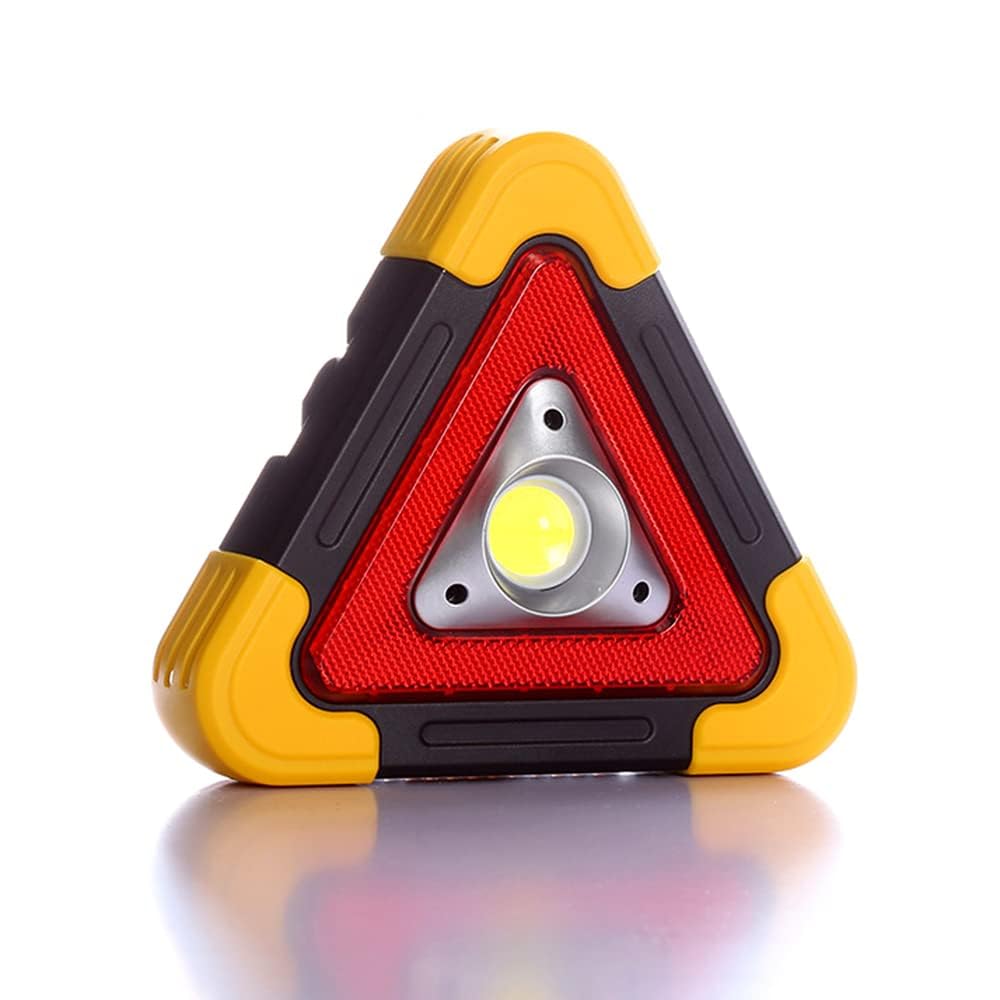
A car stranded by the road creates an immediate risk simply because it might not be seen. Even with digital warnings built into modern cars, something you can place outside still matters more than any screen alert in 2026. Because of how roads work at night or in bad weather, a bright flashlight along with a folding reflector triangle earns its space in your trunk. One helps you see what needs fixing, while the other warns others long before they get close. Their value shows up quietly – when headlights finally catch their glow far enough away to slow down safely.
That flashing shape on the road? It catches eyes before anything else does. When parked unexpectedly, setting it up well back creates space for others to adjust their speed without panic. Roads with low light, heavy mist, or fast travel demand extra caution – here, the triangle stands out when lights blend in. Car headlights blink, flash, fade – yet this one object holds its ground, visible from angles and distances electronics miss. Its job isn’t fancy, just clear: be seen where shadows stretch too far.
When things go wrong after dark, having a solid flashlight makes all the difference. It’s not just about seeing better – it’s what keeps you steady when checking flat tires or grimy battery connections. Light cuts through confusion, turning messy breakdowns into clear steps forward. Bright beams do more than reveal broken parts; they help eyes adjust, minds calm, reactions quicken. Nighttime stops feel less risky when vision stays sharp and control remains.
Flashlights today beat old-school torches by a wide margin. Built tough, they recharge easily, last ages, run through drops, offer focused beams, blink fast in emergencies, send out help signals too. A few pack maintenance tools – like blades that slice seatbelts, glass-smash tips – so one small item turns crucial when seconds count. With so much packed inside, walking around without a solid light feels less like choice, more like skipping basic readiness.
Midnight arrives. The car sputters to silence on the shoulder. Experts say those opening moments teeter on edge – danger hides close. No warning signs? Headlights too far off might miss the stalled shape ahead. Out comes a red-trimmed triangle, snapped into place behind the bumper – it catches glare, forces attention. Meanwhile, glass-lensed beam cuts dark air, guiding hands through cable tangles under the hood. One piece shouts presence. The other guides motion. Paired like that, odds tilt away from impact, toward walking away whole.
Few things beat a working flashlight when the road gets dark without warning. When storms knock out streetlights, that same gear guides steps across uneven ground. Power cuts leave entire neighborhoods blind – yet one sturdy lantern changes everything. Driving through remote areas? A signal flare isn’t just for wrecks – it marks location fast. Rain floods roads suddenly; reflective triangles warn others even if engines quit.
Fog rolls in thick near morning – they cut through haze better than headlights ever could. No garage nearby? These maintenance tools turn roadside patches into manageable fixes. Even flat tires feel less dire with glow sticks outlining work space clearly. Weather shifts hard and quick – the right light keeps hands steady amid wind and cold. They sit quiet in storage until moments when ordinary lights fail too.
Stashed away but ready, the gear needs basic care to work right. A dirty or cracked reflector triangle loses its edge fast. Flashlights live or die by their juice – check the cells often. Found at a moment’s notice, both belong in a grab-and-go emergency bundle. Seconds count, so keep them close, clear, and fully functional.
Still, flashing lights plus those foldable warning signs form a quiet backbone of safety when stopped on highways. Even as cars gain smarter features over time, nothing replaces something you can see with your eyes during an emergency stop. Having both maintenance tools inside the car means drivers keep calm awareness, stay seen at night, and handle breakdowns without panic – year after year, including deep into 2026.
Check Price of the Product Below: https://amzn.to/4aGH6so
Portable Tire Inflator as a Preventive Maintenance Tools
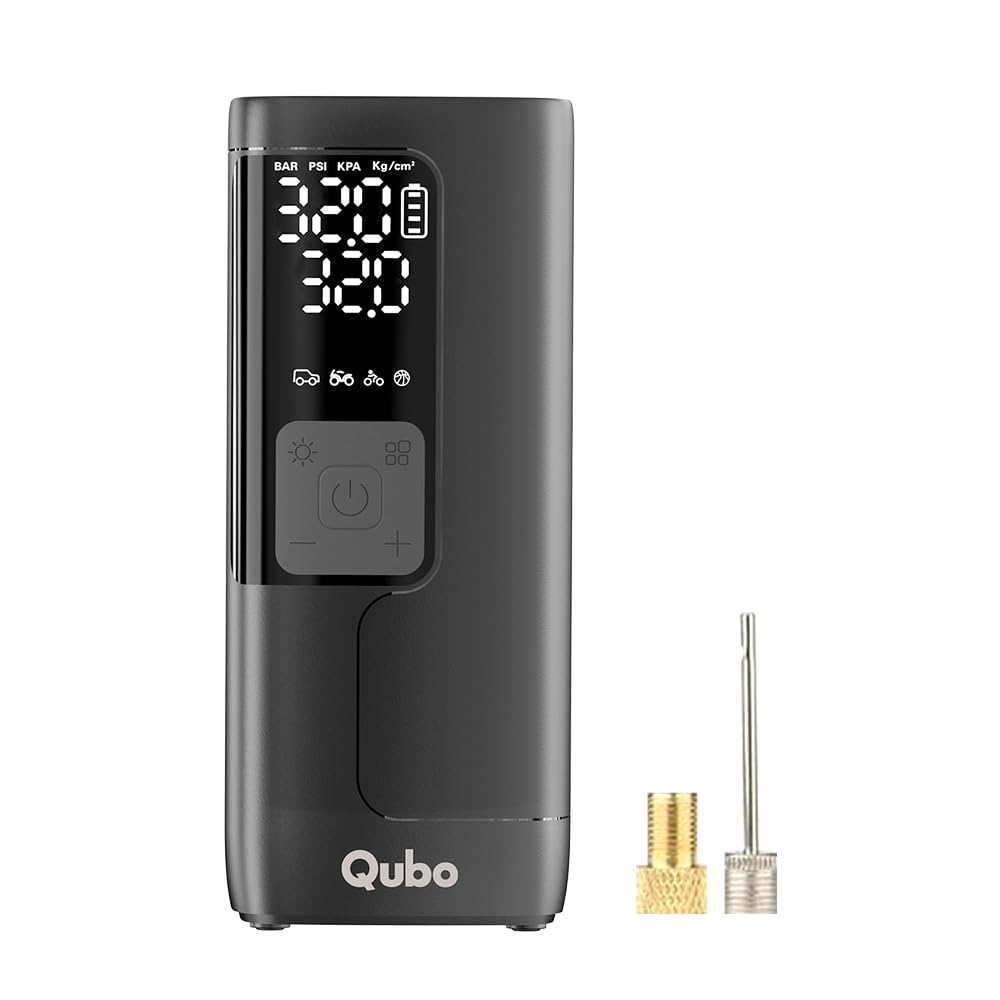
A car rides better, burns less fuel, and stays safer when tires are in good shape. By 2026, despite smart sensors watching air levels, drivers still face sudden leaks without warning. That moment calls for something real in hand – a small pump built to act fast. Rather than hunting down gas stations mid-trip, people find relief roadside, topping up air quietly, getting back on track. Such maintenance tools slip into trunks unnoticed until needed – then they prove essential.
A bit of air loss might seem small, yet it changes how fast you stop, how well you turn, even how long rubber lasts. Too little pressure leads to surprise bursts, strange tread patterns, wasted gas. That tiny pump by your trunk? Not just for emergencies – it keeps trouble away before it starts. Checking often means fewer surprises on busy roads, less money spent replacing damaged tires too soon.
Tiny gadgets in 2026 do big jobs when it comes to filling tires. Plugged into a vehicle’s socket, they wake up quietly and get to work fast. A small screen shows exactly how much air flows inside each tire. Once set, certain ones shut off by themselves – no guessing needed. Precision hides inside these little boxes, turning routine checks into something smooth and safe. Starting out behind the wheel feels less scary knowing help sits within reach. Confidence grows when maintenance tools behave more like helpers than machines.
Having this maintenance tools in your vehicle means you do not need help every time something goes wrong far from home. When highways stretch empty or backroads offer no assistance after dark, waiting around can become dangerous. Suddenly, that small air pump turns a roadside stop into just a short pause instead of a crisis. People driving cross-country, parents hauling kids to school, or anyone using their car each day gain quiet confidence knowing they are equipped before trouble shows up.
Every drop of fuel saved adds up when tires stay properly filled. A well-maintained pressure means the engine doesn’t work as hard, cutting down on gas used mile after mile. Small changes like this show real results at the pump after weeks of driving. Buy one solid inflator now – its value grows each year the car runs. Fixing problems before they start costs far less than waiting until something breaks or wears out too soon.
A sudden flat often leads to risky stops on highway shoulders. Yet keeping a reliable pump nearby cuts down how long tires stay underinflated. When pressure drops, acting fast means staying in control rather than sitting idle beside traffic. Most breakdowns like these happen far from help anyway. Fixing it without delay brings calm during stressful moments behind the wheel.
Every so often, test the inflator maintenance tools to keep it working far into the future. Start by looking at how well it connects to power, then move to whether the screen shows clear numbers. Instead of waiting until something goes wrong, watch how air moves through it – this reveals hidden issues early. Stash it away after use, but only where it stays free of moisture and grit. A smart spot? The emergency kit, as long as that space stays tidy and shut tight. That little care stretches life far beyond what most expect.
A small device tucked away under your seat might just be the quiet hero of your next trip. When air slips out slowly overnight, having it nearby changes everything without drama. Technology shifts fast but basic needs stay put – air in tires matters now like it did years ago. Roads do not care about luck, only preparation shows up when trouble hits. By 2026, being ready will still mean checking pressure before departure. Safety grows quietly from habits others overlook entirely.
Check Price of the Product Below: https://amzn.to/4qpYlCU
Basic Car Toolkit as a Repair Maintenance Tools
Even as cars get smarter and break down less often, little glitches pop up when least expected. When they do, a solid set of maintenance tools tucked away in the trunk makes all the difference. Instead of waiting hours for help, you might just tighten a bolt or swap a fuse yourself. Come 2026, carrying a small repair kit isn’t about nostalgia – it’s common sense. Drivers who stay ready stay safe, save money, avoid delays, keep control.
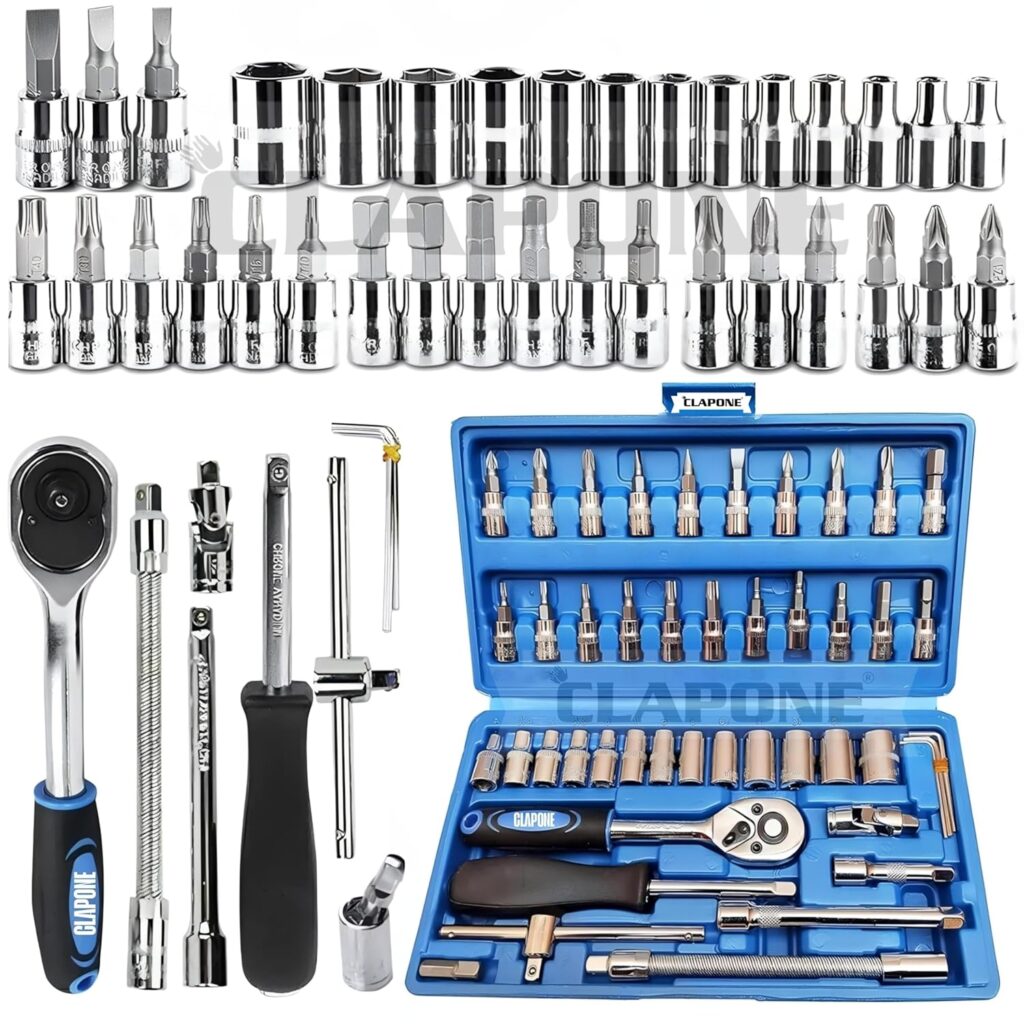
Most cars come with a basic toolkit holding things like screwdrivers, pliers, an adjustable wrench, hex keys, duct tape, maybe a compact socket collection. One by one, every piece does its own job – tightening battery connections, fixing loose trim, tweaking tiny parts that wiggle out of place. Simple tasks, sure, yet they stop minor troubles turning into bigger harm while getting you to a garage without trouble. Skip just one tool, and what started small might spiral into a costly failure before help arrives.
Having this repair kit nearby means less time wasted when trouble strikes. Instead of sitting around waiting – common in busy towns or far-off spots – drivers find quick fixes possible. A well-stocked toolbox lets small issues get handled fast, sometimes in just moments. Fixing things right away helps ease tension, prevents hours of delay, often saves the day’s agenda too. Whether driving across town every day or covering miles between states, regaining those emergency minutes matters more than it seems.
Saving money turns this tool kit into a smart buy. Fixing minor issues yourself stops you from paying extra for services, getting your car towed, or covering urgent repair bills. As time goes on, doing basic fixes alone might save more than what the set originally cost. Looking at it financially, few car safety tools offer better value right now.
Confidence grows when you know what to do. Roadside breakdowns tend to rattle nerves, particularly if help feels far away. A solid toolkit tucked inside the car shifts things quietly. Calm takes over where worry once sat. Self-reliance shows up without announcement. A shaky fix might still hold things together long enough to get where you need to go, especially when done with the right gear. Feeling like it won’t fall apart any second eases the mind in ways that match actual repairs.
Today’s car emergency sets fit neatly into small spaces without weighing much. Inside, fold-out boxes show where every piece goes, so finding what you need takes seconds. Certain models pack tools that do more than one job, fitting extra function into a single gadget. These changes match how cars have changed, along with what people now expect when they drive.
Every so often, take a close look at each tool in your repair kit to make sure it still works right. When rust shows up or parts go missing, things might fail just when you need them. A wiped-down case stored out of damp keeps everything ready for real use later on. Go over it now and then – what seems like loose bits becomes something solid that won’t quit mid-job.
A toolbox in your trunk isn’t about looking ready. It’s proof you take driving seriously. While modern vehicles talk to satellites and run self-checks, metal wrenches still fix broken things. Having one nearby means a loose bolt won’t turn into a roadside delay. Confidence on roads comes not from tech alone, but knowing help is already within reach. Small tools prevent big setbacks when miles stretch ahead.
Check Price of the Product Below: https://amzn.to/4ktkXBo
First Aid Kit as a Safety Maintenance Tools
Even as cars get smarter and break down less often, little glitches pop up when least expected. When they do, a solid set of tools tucked away in the trunk makes all the difference. Instead of waiting hours for help, you might just tighten a bolt or swap a fuse yourself. Come 2026, carrying a small repair kit isn’t about nostalgia – it’s common sense. Drivers who stay ready stay safe, save money, avoid delays, keep control.
Most cars come with a basic toolkit holding things like screwdrivers, pliers, an adjustable wrench, hex keys, duct tape, maybe a compact socket collection. One by one, every piece does its own job – tightening battery connections, fixing loose trim, tweaking tiny parts that wiggle out of place. Simple tasks, sure, yet they stop minor troubles turning into bigger harm while getting you to a garage without trouble. Skip just one tool, and what started small might spiral into a costly failure before help arrives.
Having this repair kit nearby means less time wasted when trouble strikes. Instead of sitting around waiting – common in busy towns or far-off spots – drivers find quick fixes possible. A well-stocked toolbox lets small issues get handled fast, sometimes in just moments. Fixing things right away helps ease tension, prevents hours of delay, often saves the day’s agenda too. Whether driving across town every day or covering miles between states, regaining those emergency minutes matters more than it seems.
Saving money turns this tool kit into a smart buy. Fixing minor issues yourself stops you from paying extra for services, getting your car towed, or covering urgent repair bills. As time goes on, doing basic fixes alone might save more than what the set originally cost. Looking at it financially, few car safety tools offer better value right now.
Confidence grows when you know what to do. Roadside breakdowns tend to rattle nerves, particularly if help feels far away. A solid toolkit tucked inside the car shifts things quietly. Calm takes over where worry once sat. Self-reliance shows up without announcement. A shaky fix might still hold things together long enough to get where you need to go, especially when done with the right gear. Feeling like it won’t fall apart any second eases the mind in ways that match actual repairs.
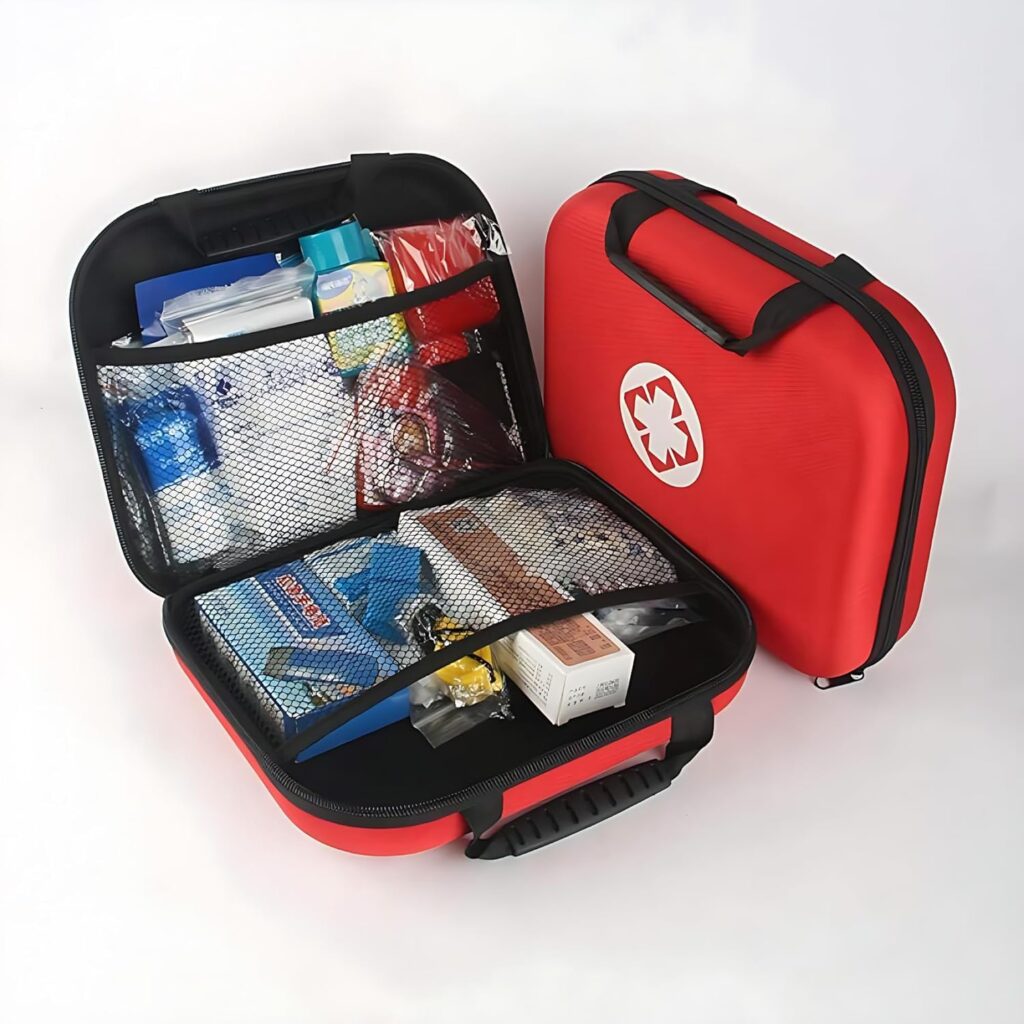
Today’s car emergency sets fit neatly into small spaces without weighing much. Inside, fold-out boxes show where every piece goes, so finding what you need takes seconds. Certain models pack tools that do more than one job, fitting extra function into a single gadget. These changes match how cars have changed, along with what people now expect when they drive.
Every so often, take a close look at each tool in your repair kit to make sure it still works right. When rust shows up or parts go missing, things might fail just when you need them. A wiped-down case stored out of damp keeps everything ready for real use later on. Go over it now and then – what seems like loose bits becomes something solid that won’t quit mid-job.
A toolbox in your trunk isn’t about looking ready. It’s proof you take driving seriously. While modern vehicles talk to satellites and run self-checks, metal wrenches still fix broken things. Having one nearby means a loose bolt won’t turn into a roadside delay. Confidence on roads comes not from tech alone, but knowing help is already within reach. Small tools prevent big setbacks when miles stretch ahead.
Check Price of the Product Below: https://amzn.to/4alxd23
Multi-Purpose Survival Items as Advanced Maintenance Tools
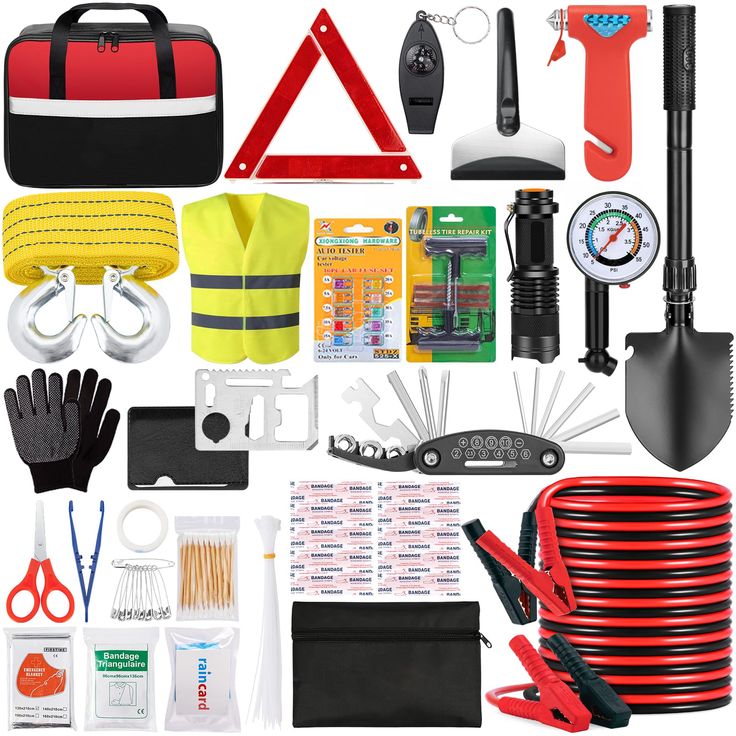
Starting with more than just flashlights and jumper cables, today’s driver often reaches for maintenance tools that do double duty when trouble hits far from help. When storms roll in or roads turn rough, regular fixes might fall short. A strap strong enough to pull a stuck vehicle out of mud can also secure loose cargo on a roof rack.
Hidden deep inside some kits, a compact spade folds open to clear snow or dig through sand after a slide. Even something thin like a crinkled thermal wrap does more than trap heat – it doubles as a signal surface under bright sun. Maintenance tools built for survival shift roles quietly until needed, turning small choices into big differences miles from the nearest town.
When roads get rough, having a strong tow rope makes things easier for those covering big stretches of countryside. Sometimes cars sink into soft ground, trapped by dirt or loose gravel near the shoulder. A steady helper vehicle can yank it free when tied properly with reliable gear. Left alone without that link between machines, hours might slip by before help shows up out there where signals fade and traffic thins. That basic piece of webbing becomes quiet insurance against empty horizons and stalled plans.
A small foldable shovel might seem basic, yet it handles rough conditions better than expected. When snow blocks tire paths, when muck clogs undercarriages, or uneven dirt hampers grip – this device gives instant hands-on fixes. Facing urgent situations, changing the landscape slightly with steady gear often means smoother movement, fewer dangers. Simple looks aside, it stands quietly among the most overlooked helpers for true on-the-road problems.
Wrapped tight in a car kit, an emergency thermal blanket stays ready without taking up space. Cold air creeps in fast when engines die after dark. Body temperature slips quicker if young ones or older people are inside. Trapped warmth matters most once shivering begins. Help might take hours to reach a stalled truck on back roads. Even folded thin, it stands strong against freezing risks. Survival sometimes hinges on what fits in your glove box.
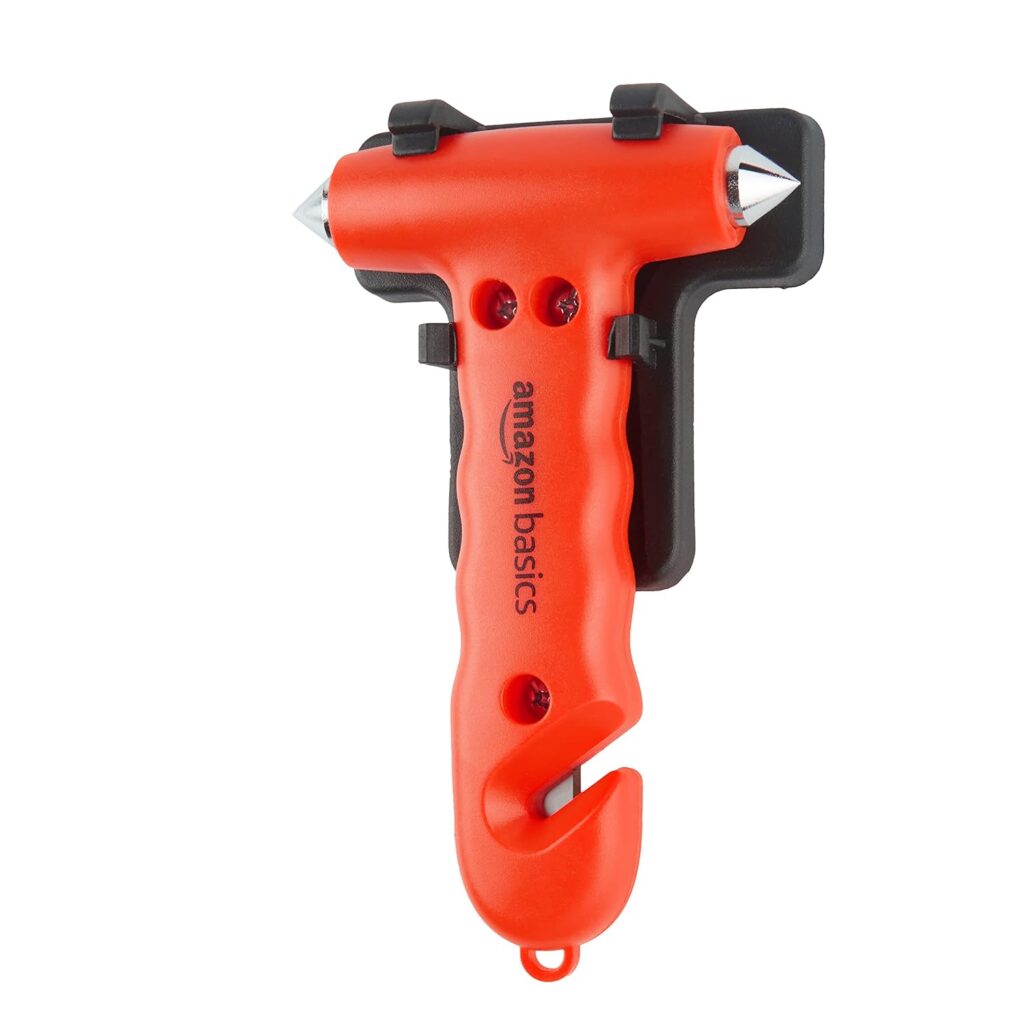
One clever little device holds more than just spare power these days. Hidden blades snap through stuck seatbelts without struggle. A sharp tip waits ready to crack tempered glass when seconds matter. Light bursts on in total darkness, steady and clear. Loud warnings pierce noise to draw help fast. Designers packed each piece tight so nothing gets lost in a crash bag. Less clutter means quicker hands during panic moments. Drivers keep it clipped nearby – out of sight until needed. Smaller shape doesn’t mean less strength. Every part works only when pushed hard. Simplicity takes over where confusion once ruled.
Out there on the edge, a good set of maintenance tools does more than fix things – it steadies the mind. When breakdowns hit hard and panic starts creeping in, clarity fades fast. Yet knowing you have what’s needed pulls focus back. A wrench within reach turns chaos into steps anyone can follow. Calm grows when hands aren’t scrambling empty. Confidence isn’t built by gear alone – still, trust rises where solid tools live.
Even small things matter when it comes to maintenance tools meant for tough situations. A tow rope needs looking at – frayed fibers mean trouble later on. Shovels must lock firmly into place without wobbling under pressure. Blankets? They ought to stay free of dirt and dampness. Rescue gear runs only if batteries still hold charge after sitting long. Tossing everything into one marked sack saves time when seconds count most.
When you think about it, having maintenance tools that do more than one job sets the standard for driver readiness in 2026. Instead of fixing only engine issues, being truly ready means handling weather threats, getting unstuck, and staying safe too. Because these thoughtfully packed kits cover both routine repairs and sudden crises, each trip becomes something steady – calm under pressure, shielded from surprise risks.
Check Price of the Product Below: https://amzn.to/45ZXz8B
Storage, Inspection, and Smart Use of Every Maintenance Tool
Most people grab gear and call it ready. Not enough anymore by 2026. Stashed poorly, ignored monthly, tools let you down fast – doesn’t matter how tough they are. Drivers who stay safe check often, store wisely, keep things clean. A wrench left under floor mats might as well be at home. What counts now? Regular small actions, not big purchases. Forgotten items break trust when trouble hits. Prepared means knowing where each piece sits, today.
When tools are tossed into the trunk without order, finding one in a hurry turns messy. A single moment of chaos on a dark highway means fumbling through clutter just to grab what you need. Every driver benefits more when each item has its own spot inside a strong bag built for emergencies. Clear sections inside mean nothing gets lost under floor mats or stuck behind spare parts. Fast access happens naturally even if weather blurs vision or stress tightens breath. What matters shows up only when setup supports speed and clarity. Seconds count most where attention splits between danger and repair.
Keeping tools safe from nature matters just as much as using them right. Heat that lingers, damp air, or fine grit settling inside a car can quietly ruin electronics, rust metal parts, or spoil medical kits. A flashlight might hold less charge over time. First aid gear could end up with outdated or dirty contents. Tire pumps risk inner damage if left in harsh settings too long. Slipping these into a tough container that blocks wind and wet keeps each one ready. When trouble hits, they still work like they should.
A fresh look now and then keeps things ready down the road. Most people toss together an emergency bag one day, then forget it sits untouched, trusting everything inside just works when called on. Yet power fades in gadgets, fabric frays under stress, items quietly pass their shelf life without warning. Try glancing through every piece twice per season instead – that small habit sharpens how well you’re truly covered.
A quick look might mean plugging in gadgets to refill their power, swapping out worn medical supplies, securing parts that have worked loose, also making sure every piece is still there. These tiny steps taken ahead of time turn a set of scattered tools into something ready, steady when trouble hits the road.
Knowing what each maintenance tool does matters just as much as having it nearby.
When trouble hits, stress plus being unsure about steps might slow things down – sometimes dangerously so. A driver who pauses to study jumper cable setups gains clarity before sparks fly. Pressure control with an inflator becomes easier once routines settle into memory. Even emergency devices work better if hands have practiced moves ahead of crisis moments. Confidence grows not through gear alone, but through quiet preparation done earlier in daylight. Tools perform best only after minds behind them already know the way.
A fresh shift shows up by 2026 – lightweight readiness wins over bulk. Rather than loading the car with random gear, seasoned drivers pick just a few durable tools built to handle common breakdowns. Because of this, space stays open, supplies stay handy, preparation stays sharp. Less weight enters, more function walks out. Smart planning now means trimming fat, keeping only what truly works when wheels stop turning.
Every so often, a well-kept wrench or tire gauge becomes more than gear – it turns into something you can count on. Not just bought, but shaped by habit and attention over time. When trouble hits without warning, that routine of upkeep means hands move steady, thoughts stay clear. It lives in how tools are stored nightly, checked weekly, used only when sure. Readiness grows quietly, showing up exactly when seconds matter.
Ready tools mean safer roads ahead. When gear stays in order, each trip gets simpler. By 2026, staying set means less stress when surprises hit pavement. A calm start often comes from what fits neatly in a trunk. Prepared drivers meet weather, breakdowns, even quiet moments just right.
Conclusion – Why Every Maintenance Tool Matters for Safer Driving in 2026
Even in 2026, with sleek cars and upgraded roads, surprises pop up when you least expect them. Sudden flat tires might strike during morning commutes, while fog could blur your view on clear days. A car packed with sensors won’t stop engine trouble or prevent small cuts from glass on highways.
For these moments, having basic tools within reach turns out to be more than habit – it’s part of staying safe. Time saved from quick fixes adds up, just like avoiding costly delays. Drivers who plan ahead don’t rely only on smart dashboards; they count on what fits in their trunk. Being ready doesn’t shout for attention, yet matters most when silence falls around a stalled car.
From start to finish, this guide showed how every key tool plays its part in staying safe on the road. Instead of waiting hours, battery helpers get you moving fast. Bright signal lights cut through dark or fog, cutting crash risks later. Flat tires lose grip and waste gas – air pumps fix both quietly. Small breakdowns? Fix them yourself when kits pack wrenches, cables, screws. Medical packs handle cuts, burns, sprains before help arrives. Cold storms, deep snow, lost paths – gear built tough handles what comes next. Layer by layer, these tools build calm where panic might grow. Each one alone helps. Together, they change chaos into something under control.
Starting strong means choosing less but better when it comes to car tools. Instead of piling up gear you never touch, just a few solid picks do more heavy lifting. Thoughtful choices beat clutter every single time – especially if things last long, work right, and stay easy to reach. Once every piece fits a real job and lives where you can grab it fast, handling surprises gets smoother without panic setting in. That quiet edge – being ready without chaos – is how smart driving really works these days.
One good reason to get proper tools? It helps your wallet. When trouble hits the road, help like towing or quick fixes runs up big bills. Instead of paying each time something breaks, having one solid device makes a difference. Think of a jump box or air pump – they fix small issues before they grow. Over months or years, being ready turns out cheaper than waiting. What looks like spending at first actually saves money later. Keeping things running smooth means fewer surprises down the highway.
What matters just as much is how ready you feel when things go wrong. Trouble on the road can spark worry, uncertainty, even dread – more so at night, far from town, or somewhere unknown. When tools for fixes sit close by, stress fades into quiet control. Calm spreads among everyone inside the car. Solutions come easier than shouting or freezing up. Quiet courage like this rarely gets mentioned, though it might be the biggest reason to prepare well.
Even as cars shift toward electricity, smart networks, and self-driving features, real hands-on tools still hold their place – just in new forms. Warnings pop up, sensors spot issues, guidance appears on screens, but a person’s preparedness makes the difference when things go wrong. Owning reliable gear, keeping it ready, means you face breakdowns, storms, or strange roads without losing grip. Machines help, sure. What matters most shows up when someone reaches into a bag, finds what they need, uses it.
One day in 2026, safe driving won’t come just from advanced vehicles, instead it’ll grow out of sharper driver habits. Getting ready ahead of time, keeping things in order, while also stocking each necessary repair item shows thoughtfulness, alertness, along with concern for others sharing the streets. When someone puts together a solid roadside package now, they shield their future trips later – so sudden surprises can’t steal away peace of mind, trust behind the wheel, or the ability to keep going.