Table of Contents
Introduction: The Rise of Intelligent Driver Assistance Adas
Over the past decade, the automotive world has seen a significant change, marked by the rapid rise of Advanced Driver Assistance Systems (ADAS). What was once thought of as futuristic technology for luxury cars has now become a crucial safety and convenience feature in modern vehicles worldwide. Whether driving through busy city traffic, cruising on a highway, or dealing with unpredictable weather, ADAS is changing the experience of every journey. It is creating a future where cars are not just machines; they are smart companions that actively work to keep you safe.
The demand for ADAS has never been higher. With more cars on the road, higher speed limits, and unpredictable driving behaviors, traditional safety features like seatbelts, airbags, and ABS are no longer sufficient. Drivers today face challenges such as blind spots, fatigue, distractions, sudden braking from other vehicles, and poor visibility. ADAS addresses these issues by acting as a virtual co-pilot that continuously monitors the surroundings, anticipates hazards, and intervenes when needed. This shift from reactive to proactive safety is what makes ADAS a game-changer in automotive technology.
In countries like India, where road conditions and traffic unpredictability create additional challenges, ADAS adoption is rapidly increasing. Cars with features like lane keep assist, adaptive cruise control, and autonomous emergency braking are becoming more available in the mass market. This indicates that automotive manufacturers are prioritizing driver safety and are committed to reducing road accidents. The government’s push for better safety standards and growing consumer awareness is speeding up this transition.
What makes ADAS truly revolutionary is its seamless integration of advanced sensors, cameras, radar, and artificial intelligence. This combination creates a driving experience that is both safer and smarter. These systems can identify potential risks far faster than human reflexes, providing alerts, making corrections, or even taking control of the vehicle in critical situations. The aim is not to replace the driver but to improve human ability, reduce stress, and create a more controlled driving environment.
As the world gradually moves toward autonomous driving, ADAS is the foundation for future mobility. It represents the first major step toward a future where vehicles understand their environment, make independent choices, and minimize human errors.
ADAS is not just technology; it is a promise of safer roads, smarter journeys, and more confident drivers. With ongoing innovations, this promise becomes stronger every day.
What Is ADAS? An Easy-to-Understand Overview
Advanced Driver Assistance Systems, or ADAS, are technologies that help drivers during the driving process. Essentially, ADAS focuses on improving safety, reducing human errors, and increasing overall driving comfort. While the term may seem technical, its goal is straightforward: to support drivers by monitoring the environment and reacting faster than human reflexes when necessary.
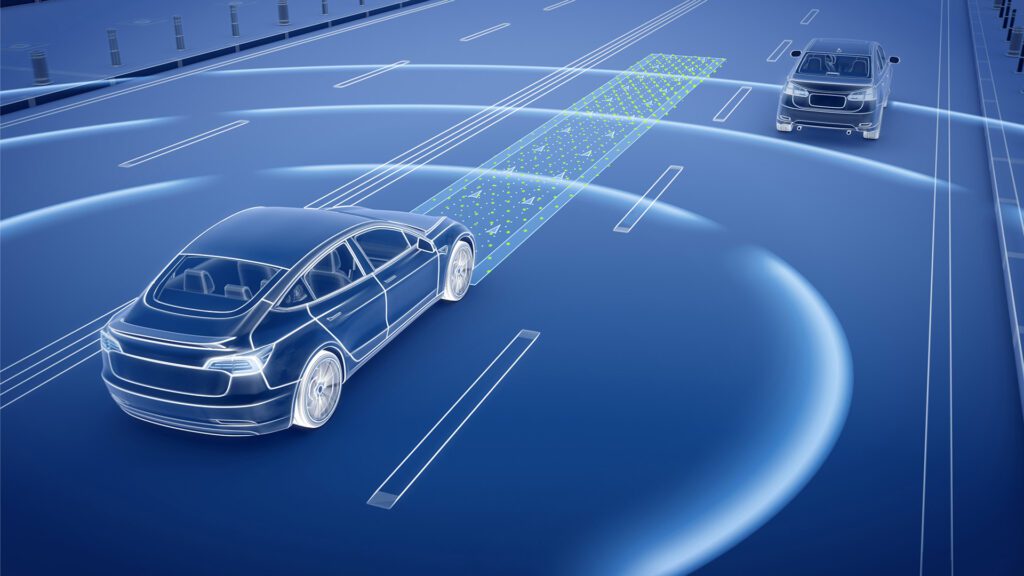
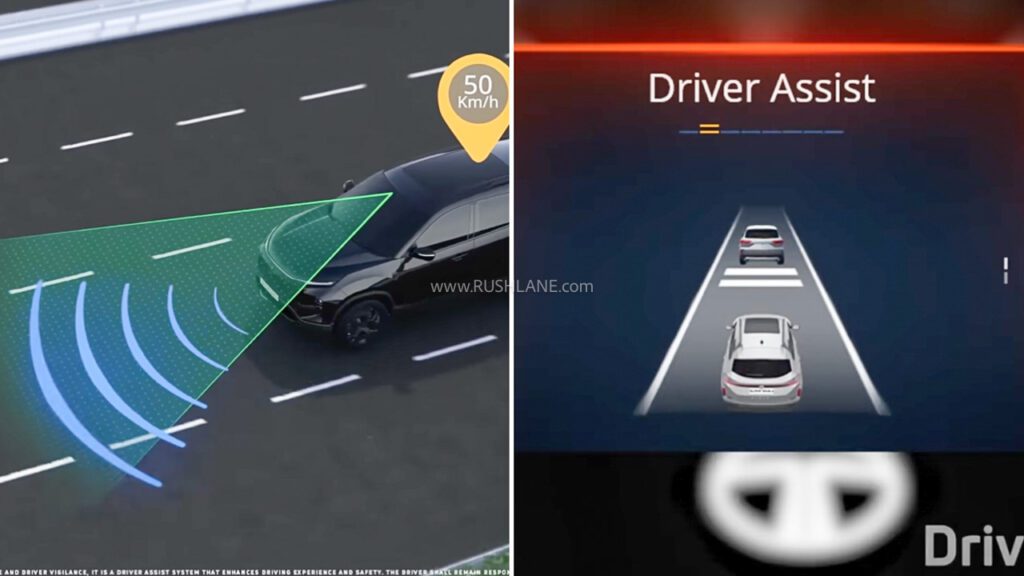
ADAS uses a combination of cameras, radar, ultrasonic sensors, and software to constantly scan the area around the vehicle. These parts enable the system to detect obstacles, check lane markings, recognize signs, measure distances between vehicles, and predict possible hazards. With a steady stream of real-time information, ADAS can take actions like alerting the driver, adjusting the steering, applying brakes, or maintaining speed to ensure safer travel.
To better understand ADAS, it’s helpful to know its two main categories of features:
- Passive Assistance
This category alerts the driver but does not directly control the vehicle. Features include:
- Lane Departure Warning
- Blind Spot Monitoring
- Traffic Sign Recognition
- Driver Attention Alerts
Passive systems act as an extra pair of eyes, warning you when you drift out of your lane, get too close to another vehicle, or miss important road signs.
- Active Assistance
This category not only warns but also intervenes when needed. Features include:
- Autonomous Emergency Braking (AEB)
- Adaptive Cruise Control
- Lane Keep Assist
- Automatic Parking Assist
Active ADAS takes corrective actions to prevent or lessen the impact of accidents. For instance, if the system detects a potential collision, it can apply the brakes faster than a human could.
ADAS features exist at different levels of driving automation, ranging from Level 0 (no automation) to Level 5 (full autonomy). Most modern cars today fall between Levels 1 and 2, providing a combination of driver support and some automation.
Overall, ADAS acts like a smart co-driver: alert, watchful, and ready to help. It simplifies complex driving situations and boosts confidence for drivers of all skill levels.
Key ADAS Features That Improve Safety
One of the main reasons ADAS has become essential in modern vehicles is its ability to greatly reduce accidents by tackling the most common causes of road incidents: distraction, delayed reactions, and poor visibility. ADAS combines real-time sensing with smart decision-making to keep both drivers and passengers safer than ever. Let’s look at some important ADAS features that directly improve road safety.
- Autonomous Emergency Braking (AEB)
AEB is one of the most effective ADAS features. It constantly monitors the distance between your vehicle and the one in front. If it sees a potential collision and notices no immediate braking response from the driver, the system automatically applies the brakes. This helps prevent rear-end collisions, especially when the driver is distracted or unable to respond quickly.
- Lane Keep Assist (LKA) & Lane Departure Warning (LDW)
Drifting out of a lane often leads to highway accidents. LDW warns the driver when the car starts to unintentionally leave its lane, while LKA gently adjusts the steering to keep the vehicle centered. This is especially helpful during long drives, nighttime trips, or when the driver feels tired.
- Blind Spot Monitoring (BSM)
Changing lanes without seeing a vehicle in your blind spot can be risky. BSM uses sensors to spot vehicles that the driver may not notice and provides visual or audible alerts. This feature helps drivers change lanes more confidently and reduces the risk of side-impact crashes.
- Rear Cross Traffic Alert (RCTA)
When backing out of tight parking spaces, it’s often difficult to see vehicles or pedestrians coming from the sides. RCTA checks the area behind the vehicle and alerts the driver if something is approaching, making parking much safer.
- Adaptive Cruise Control (ACC)
ACC keeps a set speed like regular cruise control but also adjusts automatically based on the distance from the vehicle ahead. This reduces driver effort and ensures safer highway driving by maintaining proper spacing.
Together, these features tackle key accident-causing situations, making ADAS a crucial safety tool for today’s drivers.
How ADAS Makes Driving Smarter — Not Just Safer
While ADAS is well-known for its safety benefits, one of its biggest strengths is how it makes driving smarter, smoother, and less stressful. Modern vehicles are no longer just machines for going from point A to point B. They are intelligent systems that can understand the road environment, interpret driving patterns, and assist the driver with predictive insights. ADAS improves the overall driving experience by increasing awareness, reducing fatigue, and supporting better decision-making on the road.
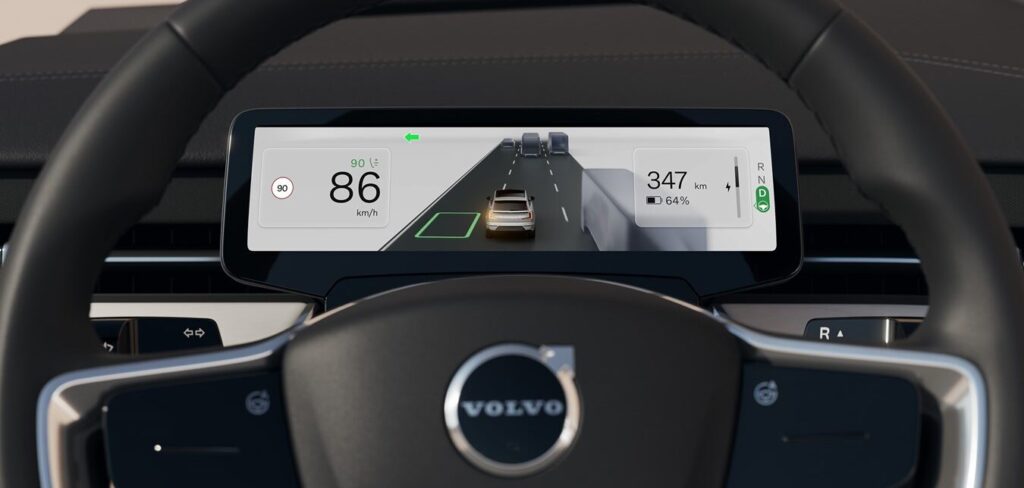
One of the main ways ADAS makes driving smarter is through Traffic Sign Recognition (TSR). Cameras and sensors continuously scan the road ahead, identifying speed limits, stop signs, no-entry signs, and other important signals. Instead of depending solely on the driver’s visual attention, the system shows real-time sign information on the instrument cluster or head-up display. This helps drivers follow road rules and avoid penalties, especially in unfamiliar areas or during long trips when concentration can wane.
Another useful feature is Driver Attention Monitoring. This system tracks driver behavior using in-cabin cameras and steering input patterns. If it notices signs of drowsiness, distraction, or inattentiveness, it sends an alert suggesting a break. This proactive reminder can help prevent accidents caused by fatigue, which is a common issue on long highway drives.
ADAS also boosts intelligence through real-time sensor fusion. Instead of relying on just one type of sensor, the vehicle combines data from multiple sources, including cameras, radar, ultrasonic sensors, and sometimes LiDAR. This combined information offers a clearer and more accurate understanding of the surroundings. For example, cameras can read road markings, radar can accurately measure distance in fog or rain, and ultrasonic sensors can detect nearby obstacles during low-speed maneuvers. Together, they create a 360-degree awareness that no human driver can maintain consistently.
One of the most remarkable aspects of smarter driving is the system’s ability to conduct predictive analysis. ADAS doesn’t just react to situations; it anticipates danger. Whether it’s detecting a sudden slowdown ahead or recognizing a pedestrian stepping onto the road, the system processes information faster than human reflexes, giving the driver more time to respond.
In essence, ADAS makes driving safer, more efficient, intuitive, and enjoyable. It adds intelligence to every journey, helping drivers make better decisions and reducing mental load behind the wheel.
The Technology Behind ADAS: Sensors, Cameras & AI
Behind every ADAS feature is a complex mix of hardware and software technologies that work together to understand the vehicle’s surroundings and make smart driving decisions. ADAS is not just a set of independent functions; it is an ecosystem powered by sensors, cameras, processors, and artificial intelligence. Together, these technologies create a highly accurate, real-time view of the road so the vehicle can assist the driver actively.
At the core of ADAS are cameras, usually mounted at several points around the vehicle: on the windshield, rear, front grille, and sometimes even on the sides. These high-resolution cameras capture images of road markings, vehicles, pedestrians, and traffic signs. They support features like Lane Keep Assist, Traffic Sign Recognition, and Driver Monitoring. Cameras provide visual data, which is crucial for tasks that involve object recognition, pattern detection, and understanding road environments.
Alongside the cameras is radar technology. Radar sensors use radio waves to measure the distance and speed of nearby vehicles. They are particularly useful in tough conditions like rain, fog, or night driving when visibility can be poor. Radar powers key features such as Adaptive Cruise Control and Autonomous Emergency Braking. It provides precise distance information, allowing the system to detect potential collisions and respond quickly.
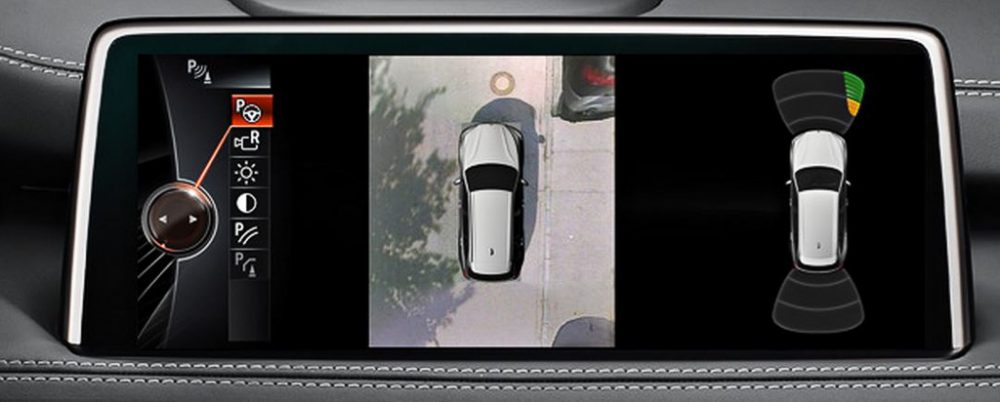
Another key part is ultrasonic sensors, which are mainly used at low speeds during parking or in tight spaces. These sensors detect very close objects that cameras or radar might miss, making them perfect for parking assistance or obstacle detection while reversing.
Modern ADAS systems also increasingly include LiDAR (Light Detection and Ranging), especially in higher-end vehicles. An important technology for future self-driving cars.
But hardware alone isn’t enough; the real intelligence comes from AI and machine learning. These algorithms interpret sensor data, predict risks, and determine when to alert the driver or take action. AI models learn from millions of driving scenarios, improving decision-making accuracy over time.
In essence, ADAS is a smooth blend of advanced sensors, computing power, and smart algorithms. This strong combination makes every journey smarter, safer, and more intuitive.
ADAS in India: Adoption, Challenges & Improvements
The introduction of ADAS marks a key moment in the country’s journey toward safer travel. While ADAS has been common in other markets for years, its adoption in India has surged only in the last three to four years. Today, features like lane assist, adaptive cruise control, and auto emergency braking are no longer limited to luxury cars; they are increasingly found in mid-range SUVs and sedans, making advanced safety available to more people.
A major factor driving ADAS adoption in India is growing consumer awareness. With more conversations about road safety, vehicle ratings, and crash-test results, buyers are actively seeking cars equipped with smart safety features. Manufacturers like Hyundai, Kia, Honda, Mahindra, MG, and Tata are meeting this demand by launching ADAS-equipped models in popular categories like compact SUVs and executive sedans.
Government policies are also influencing ADAS growth. As India strives to reduce road fatalities, regulatory bodies are pushing for safer vehicles and improved road infrastructure. The upcoming Bharat NCAP (BNCAP) framework is likely to motivate carmakers to include more ADAS features as standard or optional offerings to achieve higher safety ratings. This change will further speed up the adoption of advanced driver assistance technologies.
However, India’s driving environment poses certain challenges. Road conditions can change greatly from highways to rural areas, making it hard for sensors and cameras to accurately detect lane markings or obstacles. Weather issues like heavy rain, fog, and dust can also interfere with camera visibility. Additionally, unpredictable traffic behaviors, such as pedestrians crossing unexpectedly, two-wheelers maneuvering through lanes, or vehicles stopping suddenly, require ADAS systems to be finely adjusted for Indian roads.
Despite these obstacles, manufacturers are enhancing the accuracy and reliability of ADAS through India-specific calibration. Improved mapping, high-quality cameras, broader recognition datasets, and multi-sensor fusion are gradually making these systems more trustworthy. As infrastructure improves and awareness increases, ADAS is set to play a larger role in reducing accidents and making roads safer.
In summary, India is quickly embracing ADAS, and the future looks bright. The mix of rising demand, regulatory backing, and technological progress is steering the country toward a safer and smarter mobility future.
Benefits of ADAS for Everyday Drivers
ADAS is often viewed as high-tech equipment for premium cars, but its true value is in how it improves daily driving for everyone, from new drivers to experienced commuters. These smart systems are meant to make complicated driving situations easier, lessen stress, and create a safer environment on the road. The advantages extend well beyond preventing accidents; ADAS improves comfort, boosts confidence, and enhances driving efficiency in ways many drivers don’t recognize until they use it.
One of the main benefits of ADAS is reducing accidents. Most road accidents happen because of human error, such as distraction, fatigue, delayed reactions, or missjudgment. serves as a silent protector. Features like Autonomous Emergency Braking, Lane Keep Assist, and Blind Spot Detection keep an eye on the surroundings and step in when needed. They add a layer of protection, especially in tough conditions like heavy traffic, night time driving, or bad weather. Even a quick warning can stop a crash, protect passengers, and save lives.
Another key benefit is less driver fatigue. Long trips, especially on highways, can drain energy and lower alertness. Features like Adaptive Cruise Control, Traffic Jam Assist, and Driver Attention Monitoring help make long drives easier and less tiring. These systems keep safe distances, adjust speed automatically, and gently remind the driver to stay focused when tiredness sets in. This leads to a more relaxed and comfortable driving experience.
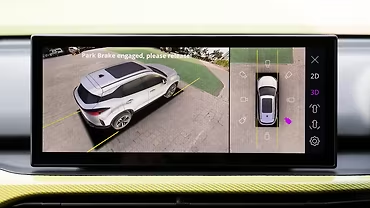
ADAS also boosts overall driving confidence, especially for new or anxious drivers. Parking Assist and 360-degree camera views make it simpler to maneuver through tight spaces. Blind Spot Monitoring makes navigating multi-lane roads less daunting by monitoring areas that are hard to see. These features enable drivers to make informed choices instead of guessing.
Moreover, ADAS helps improve fuel efficiency and reduces wear and tear on the vehicle. By optimizing acceleration, braking, and speed control, the system promotes smoother driving. This not only increases mileage but also lessens strain on the engine, brakes, and tires, leading to lower maintenance costs over time.
From a financial perspective, cars with ADAS may also enjoy lower insurance premiums, as insurers understand that these systems greatly decrease accident risks.
In everyday situations, whether during a hectic morning commute, navigating unfamiliar roads, or reversing in a crowded parking lot, ADAS makes driving much safer, smarter, and easier.
Conclusion: The Safer, Smarter Road Ahead
ADAS is often viewed as high-tech for luxury cars, but its true worth lies in how it enhances daily driving for everyone, from new drivers to experienced commuters. These smart systems aim to simplify tough driving situations, lower stress, and create a safer road environment. The benefits go beyond just avoiding accidents; ADAS also improves comfort, confidence, and overall driving efficiency in ways many drivers don’t notice until they experience it firsthand.
One major benefit of ADAS is its ability to reduce accidents. Since most road accidents happen due to human errors like distraction, fatigue, delayed reactions, or misjudgment, ADAS serves as a silent guardian. Features like Autonomous Emergency Braking, Lane Keep Assist, and Blind Spot Detection continuously monitor the surroundings and intervene when needed. They add an extra layer of safety, especially in tough situations like heavy traffic, nighttime, or bad weather. Even a quick alert can prevent a crash, protect passengers, and save lives.
Another key advantage is decreasing driver fatigue. Long trips, especially on highways, can drain energy and lower alertness. Features like Adaptive Cruise Control, Traffic Jam Assist, and Driver Attention Monitoring make long journeys smoother and less exhausting. These systems maintain safe distances, adjust speed automatically, and keep the driver engaged with gentle reminders when fatigue starts to kick in. This creates a more relaxed and enjoyable driving experience.
ADAS also boosts overall driving confidence, especially for new or nervous drivers. Getting through tight parking spots is easier with Parking Assist and 360-degree camera views. Maneuvering multi-lane roads feels less daunting when Blind Spot Monitoring keeps an eye on areas the driver cannot easily see. These tools help drivers make informed choices without relying solely on guesswork.
Additionally, ADAS promotes better fuel efficiency and reduces wear on the vehicle. By optimizing acceleration, braking, and speed control, the system supports smoother driving. This not only improves mileage but also lessens strain on the engine, brakes, and tires, leading to lower maintenance costs over time.
From a financial perspective, vehicles equipped with ADAS are becoming more common. As we look at the evolution of modern mobility, it’s clear that it is not just an added feature; it represents a significant shift in how we experience driving. From simple warning systems to advanced assistive technologies that can foresee and prevent accidents and marks a new era in vehicle safety and intelligence. It reflects human efforts to decrease road fatalities, improve comfort, and create a safer transportation system for everyone.
Throughout this discussion, one constant remains: ADAS is based on the idea that technology can support human judgment without replacing it. Regardless of a driver’s skill level, there will always be moments of distraction, fatigue, miscalculation, or slow reaction. ADAS steps in during these critical moments, acting like a vigilant co-pilot that monitors the environment with unmatched accuracy. Whether applying emergency brakes to avoid a crash, keeping the car centered in its lane, or alerting the driver to hidden dangers, offers a level of awareness that humans alone can’t consistently achieve.
The move toward ADAS also signals a larger trend: integrating artificial intelligence, high-resolution sensors, and advanced computing into everyday vehicles. Cars are no longer just machines; they have become intelligent systems that can make real-time decisions. This blend of hardware and software enhances the driving experience, making journeys not just safer but also smoother, smarter, and more intuitive. Features like traffic sign recognition, adaptive cruise control, and driver attention monitoring show how technology can handle tasks that often overwhelm drivers during daily travel.
In places like India, the push for broad ADAS adoption faces unique challenges, such as unpredictable traffic, varying road conditions, and weather factors. Still, the progress is encouraging. Automakers are tuning systems specifically for Indian roads, improving sensor accuracy and adjusting algorithms for unique driving conditions. Government initiatives, growing consumer awareness, and competitive vehicle pricing are further speeding up the move toward safer cars.
Despite its many benefits, it’s important to remember that ADAS has limitations. It works best when drivers stay engaged, alert, and responsible. The technology is meant to assist with driving, not take complete control. Understanding how each feature operates, where it excels, and how it reacts in different situations is essential for drivers to maximize without falling into a false sense of security.
Looking forward, ADAS lays the groundwork for the next wave of automotive progress: autonomous driving. While fully self-driving cars may still be years away from widespread use, the gradual advancements we see today are building blocks for that exciting future. With ongoing improvements in AI, sensor technology, and connected infrastructure, will continue to become more reliable, efficient, and capable.
In conclusion, ADAS is more than just a set of features. It’s a commitment—a commitment to safer journeys, smarter mobility, and a future where technology and human skill work hand in hand to protect lives. As adoption increases and systems improve, the road ahead becomes not just more advanced but also undoubtedly safer for everyone.may also lead to lower insurance rates, as insurers recognize that these systems significantly cut accident risks.
In everyday situations whether it’s a busy morning drive, tackling unfamiliar roads, or backing out of a crowded parking lot ADAS makes driving safer, smarter, and easier.