
Table of Contents
INTRODUCTION
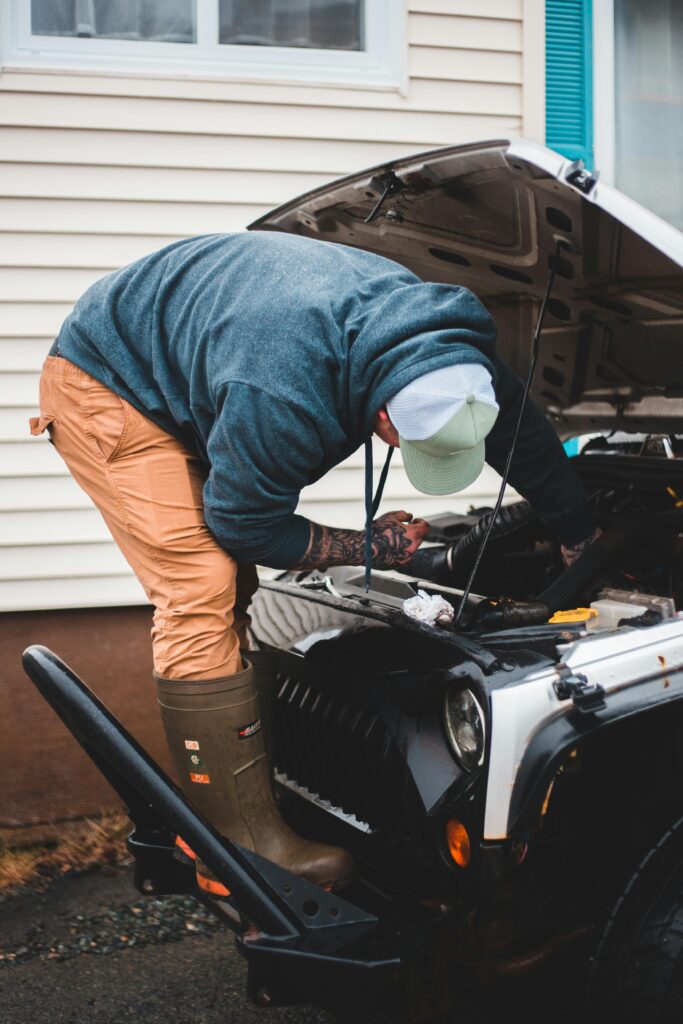
Car maintenance is the most Prior and Important thing if you Own a car. It is not just about enjoying smooth drives and weekend getaways. It’s also about keeping your vehicle in good shape for years to come. Regular car maintenance helps avoid unexpected breakdowns, costly repairs, and high long-term expenses. A well-maintained car also provides better performance, improved mileage, and greater safety on the road.
In this blog, we’ll share 19 essential car maintenance tips that every car owner should follow for better car servicing and engine care. Whether you drive daily or occasionally, these tips will help you keep your vehicle running like new.
Why Regular Car Maintenance is Important
Think of your car like the human body. Just as we need regular health check-ups, your car also needs routine inspections and servicing. Neglecting maintenance can cause small problems—like a dirty filter or low engine oil—to snowball into serious engine damage. Regular servicing not only protects your vehicle but also keeps you and your passengers safe on the road.
For instance, ignoring brake maintenance can make the difference between a safe stop and a dangerous accident. Similarly, failing to rotate your tires could shorten their lifespan and compromise handling. A little time spent on care today saves a lot of trouble tomorrow.
The Benefits of Car Maintenance
- Safety First – Your safety depends on the condition of your car. Well-maintained brakes, tires, and lights reduce the risk of accidents.
- Longevity – A car is a big investment. Taking care of the engine, transmission, and battery ensures your vehicle lasts for years without major breakdowns.
- Fuel Efficiency – Simple things like keeping your tires inflated or changing your air filter improve fuel mileage. A smooth-running engine consumes less fuel, which saves money in the long run.
- Lower Repair Costs – Preventive maintenance is always cheaper than big repairs. Replacing oil filters on time costs a few hundred rupees, while engine replacement could run into lakhs.
Why This Blog Will Help You
Many drivers know maintenance is important, but don’t know where to start. Do you check your oil often enough? Are you rotating your tires at the right interval? How often should you wax your car? These small details matter. That’s why this blog brings you 19 easy-to-follow car maintenance tips that every car owner can practice.
These tips aren’t just for people who know cars inside-out. They’re written for everyday drivers who want to keep their car in the best condition without always depending on a mechanic. From engine care to exterior shine, we’ve covered everything in one place.
Quick Preview of the 19 Tips
Here’s a glimpse of what we’ll be exploring in detail:
- Check your engine oil regularly to avoid damage.
- Change oil and filters on schedule.
- Monitor coolant levels to prevent overheating.
- Clean and test your battery for consistent performance.
- Maintain correct tire pressure to save fuel and improve safety.
- Rotate tires every few thousand kilometers for even wear.
- Check wheel alignment and balancing to prevent vibrations.
- Inspect brake pads and replace when needed.
- Listen for unusual brake noises—they’re early warning signs.
- Replace air and fuel filters to keep the engine breathing right.
- Use quality fuel to avoid clogging injectors.
- Follow manufacturer’s service schedule without skipping.
- Get inspections before long trips for peace of mind.
- Keep a car maintenance log so nothing gets missed.
- Wash your car regularly to prevent paint damage.
- Wax and polish to restore shine and protect against scratches.
- Clean AC vents and interiors for comfort and hygiene.
- Park smartly to avoid sun damage and fading paint.
- Invest in protective coatings like ceramic or PPF for long-lasting shine.
1. Follow Your Car’s Service Schedule
One of the most important steps in car maintenance is following the manufacturer’s recommended service schedule. Every car comes with an owner’s manual that explains when your car needs servicing. This includes oil changes, brake inspections, fluid replacements, and filter changes.
Why it matters:
Pro Tip: If you’ve lost your car manual, visit the manufacturer’s website for a digital copy.
2. CHECK AND CHANGE ENGINE OIL REGULARLY
- Keeps the engine healthy.
- Prevents small issues from becoming major repairs.
- Maintains the warranty.
One of the most essential in car maintenance is Engine oil it is like the lifeblood of your car. It lubricates moving parts, reduces friction, and prevents overheating. Over time, oil collects dirt and debris, which can harm the engine if not replaced.
When to check:
- Every month, or before a long trip.
- Change oil every 5,000 to 10,000 km, depending on your car and oil type.
Why it matters:
- Prevents engine wear.
- Improves fuel efficiency.
- Extends the engine’s lifespan.
Pro Tip: Always check the oil level with the dipstick. If the oil appears dark or sludgy, it’s time for a change.
3. KEEP AN EYE ON ENGINE COOLANT
Another important steps in car maintenance is Engine coolant it regulates your car’s engine temperature and prevents overheating. Low coolant levels or old coolant can cause overheating.
This is one of the main causes of engine failure.
Why it matters:
- Maintains proper engine temperature.
- Prevents rust and corrosion inside the engine.
- Protects against extreme weather, both hot and cold.
Pro Tip: Always top up coolant when the engine is cold. Use the mixture recommended by the manufacturer.
4. REPLACE AIR FILTERS ON TIME
Your car’s air filter keeps dust, dirt, and debris from entering the engine. A clogged filter reduces airflow, which makes the engine work harder and lowers fuel efficiency, It is also important for car maintenance.
When to replace:
- Every 12,000 to 15,000 km or as per service recommendations.
Why it matters:
- Improves engine performance.
- Enhances fuel economy.
- Reduces harmful emissions.
Pro Tip: If you often drive in dusty conditions, consider changing the air filter more often.
5. MAINTAIN PROPER TIRE PRESSUE AND ALIGNMENT
Tires are the only part of your car that contacts the road. Their condition is crucial for safety and performance. Driving with wrong tire pressure can affect mileage and increases the risk of accidents.
Check for:
- Tire pressure at least once a month.
- Wheel alignment every 10,000 km.
- Tread depth for grip and safety.
Why it matters:
- Ensures better fuel efficiency.
- Improves braking and handling.
- Prevents uneven tire wear.
Pro Tip: Always carry a portable tire pressure gauge and check before long trips.
6. INSPECT THE BATTERY REGULARLY
Other most important steps in car maintenance is Your car battery it powers the electrical system, including the ignition, lights, and infotainment. A weak or dead battery can leave you stranded.
How to maintain:
- Check battery terminals for corrosion.
- Keep the battery clean and tight.
- Replace every 3 to 5 years or as needed.
Why it matters:
- Ensures smooth engine starts.
- Supports electronic systems.
- Prevents sudden breakdowns.
Pro Tip: If you notice slow cranking or dim headlights, get your battery tested right away.
7. KEEP BRAKE PADS AND FLUID IN GOOD CONDITION
Brakes are the most critical safety feature of your car. Ignoring brake maintenance can be risky for you and others on the road. In Car maintenance brakes are prior thing to keep an eye on.
When to check:
- Brake pads every 10,000 km.
- Brake fluid every 2 years.
Why it matters:
- Provides reliable stopping power.
- Prevents damage to rotors and calipers.
- Enhances driving safety.
Pro Tip: If you hear squealing or grinding noises when braking, get your brakes checked immediately.
8. MONITOR BELTS AND HOSES
Belts and hoses in your car may seem unimportant, but they are essential for keeping the engine running. A broken belt or hose can cause overheating or complete engine failure.
Check for:
- Cracks, frays, or leaks in hoses.
- Worn or loose belts.
Why it matters:
- Prevents sudden breakdowns.
- Keeps the engine and AC running smoothly.
- Saves costly repairs.
Pro Tip: Replace belts and hoses every 4 to 5 years or according to the manufacturer’s recommendations.
9. KEEP THE FUEL SYSTEM CLEAN
Over time, carbon deposits and dirt can clog fuel injectors, reducing engine performance. Cleaning the fuel system ensures smooth combustion and better mileage.
How to maintain:
- Use high-quality fuel.
- Add a fuel system cleaner every 5,000 km.
- Get injectors cleaned professionally if needed.
Why it matters:
- Improves acceleration.
- Enhances fuel economy.
- Reduces engine knocking.
Pro Tip: Avoid driving on a nearly empty tank. This can allow dirt from the bottom of the fuel tank to enter the engine.
10. PAY ATTENTION TO WARNING LIGHTS
Modern cars have dashboard warning lights that alert you to issues like low oil, overheating, or engine problems. Ignoring these lights can turn small issues into big repairs.
Why it matters:
- Early detection of problems.
- Prevents costly breakdowns.
- Ensures safety while driving.
Pro Tip: Learn what each warning light means in your car’s manual so you can respond quickly if one lights up.
Additional Car Maintenance Tips for Long-Term Performance
- Wash your car regularly to avoid rust and paint damage.
- Avoid overloading your vehicle.
- Use genuine spare parts during replacements.
- Drive smoothly. Avoid sudden acceleration and braking.
- Keep a service record for better resale value.
Besides the 10 tips above, here are a few extra practices that can extend your car’s life:
Beyond the basics, there are a few more areas every car owner should check regularly. Paying attention to these details leads to better servicing results and long-term reliability.
11. CHECK TRANMISSION FLUID
Transmission fluid lubricates the gearbox and allows smooth shifting. Low or dirty fluid can cause jerky movements or transmission failure.
When to check: Every 40,000 to 60,000 km (or as per manufacturer).
Why it matters:
- Smooth gear shifting
- Prevents costly gearbox damage
- Improves driving comfort
Pro Tip: If you notice delayed gear shifts or burning smells, check your transmission immediately.
12. INSPECT SUSPENSION AND STEERING
The suspension keeps your ride stable while the steering ensures proper control. Worn shocks, struts, or steering parts reduce handling and safety.
Why it matters:
- Better comfort on bumpy roads
- Safer cornering and braking
- Prevents uneven tire wear
Pro Tip: If your car pulls to one side or feels unstable, get your suspension checked.
13. DON’T FORGET THE EXHAUST SYSTEM
The exhaust removes harmful gases and reduces noise. Rust, leaks, or blockages can affect performance and fuel economy.
Why it matters:
- Prevents harmful fumes inside the cabin
- Keeps emissions under control
- Improves overall engine efficiency
Pro Tip: A loud engine or strong fuel smell may signal exhaust problems.
14. KEEP WINDSHIELD WIPERS AND WASHER FLUID READY
Good visibility is critical for safety. Worn wipers and empty washer fluid can make driving dangerous, especially during rain or dusty conditions.
Why it matters:
- Clear visibility in bad weather
- Prevents scratches on the windshield
- Enhances driving safety
Pro Tip: Replace wiper blades every 6 to 12 months, especially before the monsoon season.
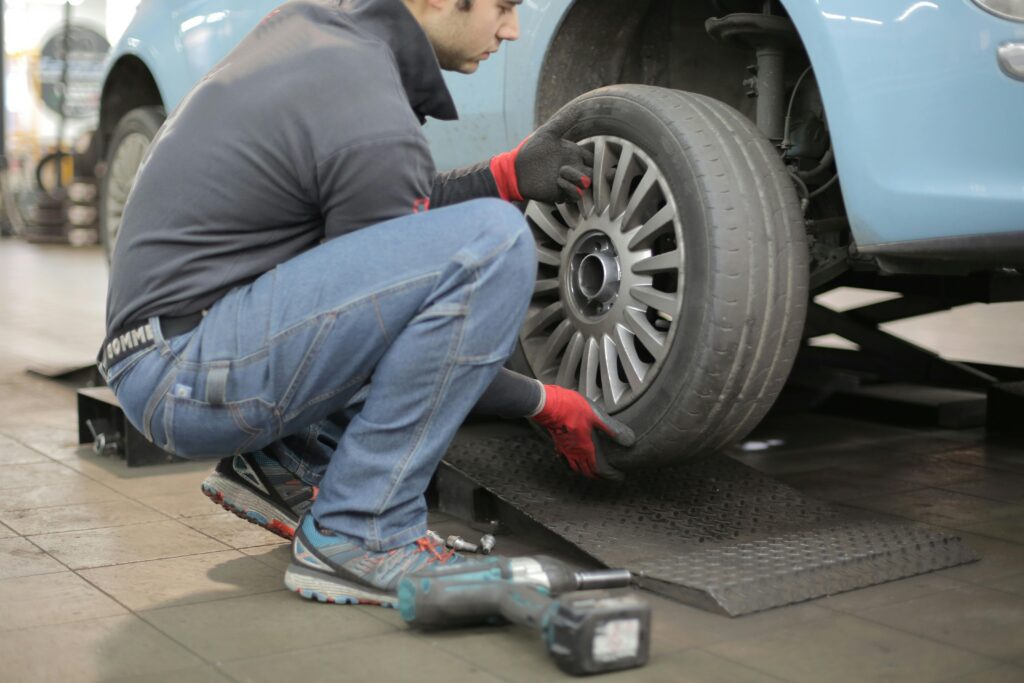
15. REGULARLY ROTATE AND BALANCE TIRES
Car Maintenance isn’t only about battery but also about tires. Even if tires look fine, rotating and balancing them prevents uneven wear and extends their lifespan.
Why it matters:
- Ensures smoother rides
- Improves traction and handling
- Saves money on frequent tire replacements
Pro Tip: Rotate tires every 8,000 to 10,000 km for maximum efficiency.
16. PROTECT YOUR CAR BATTERY IN EXTREME WEATHER
Heat or cold can reduce battery life. Extreme conditions drain power faster, so extra care is needed.
Why it matters:
- Prevents sudden starting problems
- Extends battery lifespan
- Supports smooth functioning of electronics
Pro Tip: Park in shaded areas during summer and use a battery blanket in winter if available.
17. USE THE RIGHT FUEL AND ENGINE OIL
For car maintenance Always use fuel and oil grades recommended by your manufacturer. Using cheaper or lower-quality products may cause engine knocking and damage.
Why it matters:
- Maintains engine health
- Improves fuel efficiency
- Avoids long-term wear and tear
Pro Tip: Never mix different oil grades or fuels unless recommended.
18. KEEP YOUR CAR CLEAN INSIDE OUT
Car maintenance isn’t just about the engine—it’s also about hygiene and comfort.
Why it matters:
- Prevents rust and paint damage
- Keeps interiors dust-free
- Improves resale value
Pro Tip: Vacuum your interiors monthly and wax your car every six months for extra shine and protection.
19. CARRY EMERGENCY ESSENTIAL
Sometimes, you are doing everything for car maintenance ,even with proper care, breakdowns happen. Being prepared can save you from trouble.
Must-haves:
- Spare tire and tools
- First-aid kit
- Jumper cables
- Flashlight and emergency triangle
Why it matters:
- Keeps you safe during unexpected issues
- Helps handle emergencies confidently
- Avoids long roadside waits
Conclusion
When we look at the 19 car maintenance tips we’ve discussed, one thing becomes clear: caring for your car is not a one-time job but a continuous habit. Every check, every service, and every small step to maintain your vehicle contributes to a bigger goal: a safer, more reliable, and more enjoyable driving experience.
Think about it. A car isn’t just a machine that transports you; it’s often a long-term investment and a companion in your daily life. From commuting to work and weekend trips to family outings, your car is part of your lifestyle. Neglecting car maintenance might seem convenient at first, but it usually ends up costing more due to breakdowns, reduced performance, or major repairs. By following these simple tips, you’re not just extending your car’s life; you’re also protecting your wallet and ensuring peace of mind every time you drive.
Another important aspect is safety. Many people underestimate how regular maintenance relates to safer driving. Properly inflated tires, functioning brakes, clean filters, and timely oil changes all lower the chances of sudden failures on the road.In fact, some of the worst accidents are often linked to preventable issues like worn tires or bad brakes. Practicing these 19 tips can drastically reduce such risks.
Next, consider performance and efficiency. A well-maintained car runs smoother, accelerates better, and uses less fuel. Even small actions, like replacing dirty air filters or keeping your engine oil fresh, can significantly improve fuel economy. In today’s world, where fuel costs are high and environmental concerns are growing, this is not just about saving money; it’s also about driving responsibly.
The financial savings matter too. Think of maintenance like health checkups; catching a small problem early prevents it from becoming a major expense. Spending a bit on routine service, checking fluids, or replacing worn parts can save you from hefty repair bills later. For instance, skipping an oil change could lead to complete engine failure, costing thousands to repair. Consistency is key; it’s about making regular care a natural part of car ownership, not doing everything at once.
One of the most overlooked but valuable benefits of regular car maintenance is the resale value. A well-cared-for car lasts longer and sells for a better price if you decide to sell it. Buyers are more confident in vehicles with a solid car maintenance history. In that sense, every effort you make in servicing your car adds to its future value.
So, when you consider all these points for car maintenance-safety, longevity, fuel efficiency, lower repair costs, better performance, and higher resale value it’s clear why these 19 tips are so powerful. They are simple and affordable, but they require discipline and consistency.
If you start practicing car maintenance regularly, you’ll soon notice the difference—not just in how your car drives but also in your confidence behind the wheel. Cars respond to care just like people do; the more attention you give, the better they perform.
In summary, these Car maintenance tips are more than just a checklist; they’re a guide to smarter car ownership. Make them part of your routine, stick with them, and your car will serve you reliably for many years.