
Table of Contents

Introduction: The Changing Fuel Game in India Petrol vs Diesel vs CNG
In 2025, the Indian automotive industry is very different from what it was a decade ago. Electric vehicles are gaining popularity, and government policies support cleaner options. The debate over Petrol vs Diesel vs CNG is more relevant now than ever. Buyers are no longer just focused on mileage. They are considering long-term costs, maintenance, fuel availability, and resale value.
Each fuel type has evolved considerably. Petrol engines are more refined, diesel engines are cleaner and more efficient, and CNG cars are becoming practical and powerful. But the big question is: which option suits your lifestyle best in 2025?
Let’s take a closer look at the pros, cons, and future outlook of each Petrol vs Diesel vs CNG to help you make a smart, cost-effective, and eco-friendly choice.
Understanding the Differences: Petrol vs Diesel vs CNG
Before deciding on your next car, it’s important to know what sets Petrol vs Diesel vs CNG apart beyond just the price at the pump.
- Petrol cars are recognized for their smooth performance, easy maintenance, and quick acceleration. They are great for city driving and occasional long trips. Petrol burns cleanly but costs more per kilometer compared to diesel or CNG.
- Diesel cars offer excellent torque and better fuel efficiency, making them ideal for long-distance travel and highway use. However, stricter emission standards like BS6 Stage 2 have increased both the production and maintenance costs of diesel engines.
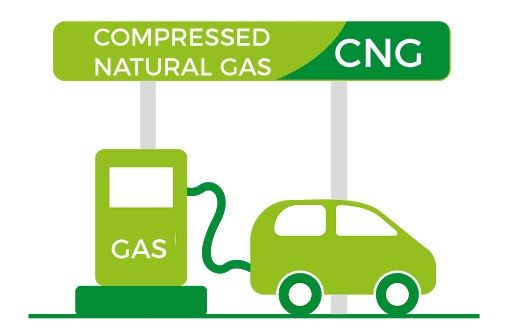
- CNG cars run on Compressed Natural Gas, which is a cleaner and cheaper fuel option. They provide great mileage and low emissions, but they slightly sacrifice power and boot space because of the gas tank installation.
Understanding these differences between Petrol vs Diesel vs CNG helps focus your decision based on your usage, budget, and driving conditions.
Fuel Efficiency and Cost Comparison
When comparing Petrol vs Diesel vs CNG, cost is usually the first factor for Indian buyers. Let’s examine the real costs involved.
In 2025, average fuel prices in India are around ₹105 per liter for petrol, ₹95 per liter for diesel, and ₹75 per kg for CNG. However, it’s not just about the price per unit; mileage plays a significant role.
- A petrol hatchback typically achieves 16 to 18 km/l.
- A diesel version of the same car provides 22 to 25 km/l.
- A CNG variant can deliver 28 to 32 km/kg.
Over 100,000 kilometers of driving, a CNG car can save nearly ₹1 lakh in fuel compared to a petrol model. Diesel remains efficient but comes with higher maintenance costs and the possibility of future tax hikes.
So, if your daily commute exceeds 40 to 50 km, CNG is the most cost-effective option. But for mixed use, petrol’s blend of convenience and performance makes it a strong choice.
Maintenance and Longevity: Which Fuel Type Lasts Longer?
Maintenance costs reveal clear differences among Petrol vs Diesel vs CNG cars.
Petrol cars generally need lower maintenance and have fewer complex parts. Their engines are lightweight and less prone to wear, resulting in lower service costs.
Diesel engines, while durable, require more maintenance because of turbochargers, particulate filters, and advanced emission systems. Skipping a service can lead to expensive repairs. However, a well-maintained diesel engine can often outlast a petrol engine.
CNG cars are somewhat in between. While they are cheaper to run, they require frequent checks of valves, filters, and gas injectors. CNG can slightly reduce engine power and may affect performance if not serviced regularly.
For city driving, petrol cars are hassle-free. Long-distance drivers still favor diesel engines for endurance, while cost-conscious buyers often choose CNG despite needing more check-ups.

Environmental Impact: The Green Choice in 2025
- Sustainability is a major factor in the Petrol vs Diesel vs CNG discussion.
- Petrol emits moderate CO₂ but has very few particulate emissions.
- Diesel, though efficient, emits higher levels of NOx and soot particles that negatively impact air quality.
- CNG stands out as the cleanest option, producing up to 25% less CO₂ and almost no particulate matter.
- With India tightening emission standards and encouraging alternative fuels, CNG cars are seen as a step toward full electrification. Cities like Delhi, Mumbai, and Ahmedabad already have robust CNG infrastructure, making it a practical eco-friendly choice for everyday driving.
- In addition, automakers are launching factory-fitted CNG models with smart fuel-switching, advanced ignition systems, and better performance—erasing the old reputation of CNG cars being slow.
Driving Experience and Performance Comparison
The driving experience varies greatly between Petrol vs Diesel vs CNG cars.
Petrol engines are responsive, offering smoother acceleration and quieter operation. They suit drivers who prioritize comfort and refinement over sheer efficiency.
Diesel engines are torque-heavy, providing instant pull and effortless highway cruising, which makes them popular among regular travelers. However, the noise, vibration, and stricter emission systems somewhat diminish the thrill of driving a diesel.
CNG engines, while improved in 2025, still lag slightly in performance. Power delivery is more gradual, making them better for calm urban driving instead of aggressive overtakes. Still, many dual-fuel models now switch automatically between petrol and CNG to balance power and savings, which benefits city drivers.
For driving enthusiasts, petrol still delivers the best experience. For those focused on mileage, diesel and CNG offer compelling advantages.
Resale Value and Future Viability
When evaluating Petrol vs Diesel vs CNG, resale value and future adaptability are crucial besides initial costs.
Diesel cars used to have a significant resale advantage, but with BS6 regulations and possible future bans in certain states, that edge is decreasing. Petrol cars are compliant and versatile, thus maintaining steady resale values.
CNG vehicles are quickly gaining popularity. With factory-fitted systems and government support for natural gas distribution, their resale values are rising.
By 2025, many experts predict that petrol and CNG cars will dominate personal vehicles, while diesel will still be relevant for commercial fleets and long-haul users.
If you plan to keep your car for more than 5 to 6 years, a CNG or petrol car may offer better stability and fewer regulatory challenges.

The Real-World Perspective: What Indian Drivers Prefer in 2025
In 2025, Indian car buyers are becoming smarter, more practical, and increasingly focused on sustainability. Whether it’s a first-time buyer in Tier-2 cities or a business owner upgrading to an SUV, the discussion around petrol vs diesel vs CNG has changed significantly. Rising fuel prices, stricter emission rules, and the push for cleaner mobility are prompting people to consider more than just the cost per kilometer.
- Urban Commuters and the Petrol Choice
For those living in crowded urban areas, petrol-powered cars remain the top choice. Petrol engines are quieter, smoother, and better for city driving. Maintenance costs are lower, and with BS6.2-compliant engines, modern petrol cars are cleaner than ever. However, rising petrol prices are a concern, which is why smaller hatchbacks and compact SUVs with high fuel efficiency are gaining popularity in this segment.
- Highway Travelers Still Trust Diesel
For long-distance travel, diesel continues to be popular. Many buyers in 2025 still view diesel as economical for frequent highway trips and heavy usage. Diesel engines offer better torque, providing more pulling power for SUVs and commercial vehicles. However, with many states tightening emission rules, some brands have stopped offering diesel variants in smaller cars, limiting available options.
- CNG: The New Middle Ground
CNG-powered cars are quickly becoming the preferred option in the petrol, diesel, and CNG debate. The fuel is cheaper and cleaner. Government initiatives are expanding CNG stations along highways and in cities. The modern CNG kits of 2025 are more efficient, offering 25–30 km/kg without significantly reducing trunk space. Availability in remote areas remains a limitation, but for metro and suburban users, CNG is a smart financial choice.
- Hybrid and Electric Influence
While this comparison focuses on petrol vs diesel vs CNG the growing impact of hybrid and electric technology cannot be ignored in 2025. Many new car buyers are considering hybrid variants that use petrol but deliver diesel-like mileage. Brands like Toyota, Maruti Suzuki, and Honda are heavily investing in self-charging hybrids, bridging the gap between traditional and electric vehicles.
- Resale and Maintenance Trends
One important factor influencing the choice between petrol vs diesel vs CNG is resale value. Diesel cars once held high resale value, but that trend has slowed due to bans in some cities after ten years of use. Petrol vehicles retain their value better long-term, while CNG cars are gaining popularity due to their lower operating costs and clean image. In terms of maintenance, petrol and CNG cars are cheaper to maintain than diesel models, which require more frequent servicing of filters and injectors.
- Government Policies and Environmental Push
India’s environmental goals for 2025 are pushing manufacturers toward cleaner fuel technologies. CNG cars are receiving strong government support, including subsidies and expanded refueling infrastructure. Diesel vehicles are facing stricter regulations due to particulate emissions. This shift is influencing buyers toward petrol and CNG, especially in pollution-sensitive areas like Delhi-NCR and Mumbai.
- What the Future Holds
As we progress into 2025, car manufacturers are moving toward a multi-fuel future. Petrol will continue to dominate the small car segment, diesel will remain in larger SUVs and trucks, and CNG will lead in urban markets for affordable and eco-friendly options. At the same time, hybrid and electric technologies will blur the distinctions between traditional fuel types.
The Verdict: Which Fuel Type Is Best for You?
After all these comparisons, what’s the final verdict in the Petrol vs Diesel vs CNG debate?
- Choose Petrol if you want a smooth, reliable, and low-maintenance car for short city trips.
- Choose Diesel if you often take long journeys or need strong power for highways and hilly terrain.
- Choose CNG if your top priorities are saving money and lowering emissions, and you live near CNG stations.
Ultimately, your driving habits will help determine the best option for you. There’s no one-size-fits-all winner—only the fuel type that fits your daily routine, budget, and values.
In summary, the debate over petrol vs diesel vs CNG in 2025 does not have a single correct answer. It depends on your driving habits, budget, and city infrastructure. One thing is clear: the Indian automotive market is rapidly evolving toward greener, smarter, and more cost-effective options.
The automotive industry is gradually moving toward greener fuels and electrification, but for now, the Petrol vs Diesel vs CNG comparison remains the most practical guide for real-world buyers in India.
FAQ
- Which fuel offers the best mileage in 2025?
CNG provides the best mileage, averaging 28 to 32 km/kg, making it ideal for high-mileage users. - Is diesel still worth buying in 2025?
Yes, if you drive long distances regularly. Otherwise, maintenance and regulatory costs may outweigh any savings. - Can I convert my petrol car to CNG?
Yes, but only with RTO-approved kits and professional installation. Factory-fitted systems are safer and more efficient. - Which is better for the environment: Petrol vs Diesel vs CNG?
CNG is the cleanest of the three, emitting fewer pollutants and greenhouse gases.