Table of Contents
Introduction – Duster’s Legacy & Relevance in India
The Renault Duster is more than just another SUV in India; it transformed the SUV market here. When Renault launched the Duster in 2012, it practically created the modern compact SUV segment. At a time when Indian buyers had limited SUV options, the Duster stood out with its rugged design, excellent ride quality, strong diesel engines, and genuine SUV capabilities. Even now, many enthusiasts consider it one of the most capable and comfortable SUVs India has offered.
This impressive legacy is why the Renault Duster 2026 has generated so much excitement and curiosity. Although it was discontinued in India a few years ago, the Duster has remained in buyers’ minds. Searches for terms like “Renault Duster comeback,” “new Renault Duster India launch,” and “Renault Duster 2026 expected launch” show that many Indian buyers still want this iconic SUV back.
The original Duster earned respect for doing things differently. It wasn’t cluttered with gimmicks, but it excelled in areas that mattered most: ride comfort, handling, durability, and engine performance. The diesel Duster, in particular, developed a loyal following due to its powerful engine and excellent highway stability. Even today, many used car buyers actively seek out a well-maintained Duster, highlighting its long-lasting appeal.
However, the Indian car market has changed a lot since the Duster’s departure. Today’s buyers want more than just solid mechanics. Features, safety ratings, infotainment, connected technology, and design now play a key role in purchase decisions. Renault gets this shift, which is why the upcoming Duster 2026 is expected to be a completely new-generation SUV rather than just a minor update.
Globally, Renault has already introduced the new-generation Duster under the Dacia brand, and it appears much more modern, muscular, and premium than before. This global model raises expectations for the Renault Duster 2026 in India. Buyers hope Renault will bring back the Duster with updated styling, new engines (including hybrids), better interiors, and stronger safety features.
Another reason the Duster 2026 is important is the current mid-size SUV competition. Models like the Hyundai Creta, Kia Seltos, Maruti Grand Vitara, and Toyota Hyryder lead in sales, but many buyers feel these SUVs prioritize features over driving experience. The Duster has a chance to return as a driver-focused, rugged, and practical choice.
In this blog, we will closely examine the Renault Duster 2026, including its expected launch timeline, price in India, new features, engine options, safety updates, and whether it can reclaim its former glory. By the end, you’ll know if the Duster 2026 is worth the wait or if Renault has missed its opportunity.
Expected Launch Timeline for Renault Duster 2026
One of the biggest questions Indian car buyers are asking right now is, “When will Renault Duster 2026 launch in India?” While Renault has not confirmed an exact date, multiple industry reports and global developments give us a fairly clear picture of the expected timeline.
Renault has already revealed the new-generation Duster under the Dacia brand. This version is built on Renault–Nissan’s modern CMF-B platform, which supports petrol, hybrid, and future-ready powertrains. Since the global model has already debuted, the Indian launch now mainly depends on localization, testing, and market strategy rather than product development.
Current expectations suggest that the Renault Duster 2026 India launch is likely to happen in late 2025 or early 2026. This timeline makes sense because Renault is expected to first re-establish its presence in India with updated models and then bring back the Duster as a key volume product. Launching it too early without proper localization could affect pricing, something Renault will want to avoid.
Another reason for the 2026 timeline is competition planning. The mid-size SUV segment in India is very crowded. Renault will want to ensure the Duster enters the market with a strong value proposition. This includes competitive pricing, feature upgrades, and possibly a hybrid option— all of which require time for adaptation to Indian conditions.
It is also important to consider regulatory readiness. By 2026, safety norms, emission standards, and consumer expectations will be stricter. Renault is expected to tune the Duster 2026 specifically for these requirements. This supports a slightly delayed but well-prepared launch.
Spy shots, internal leaks, and Renault’s global announcements suggest that the company sees India as an important market for the Duster’s comeback. The Duster is expected to play a key role in Renault’s revival strategy in India, making its launch timing even more critical.
Another interesting aspect is Renault’s partnership strategy. There are strong chances that the India-spec Duster 2026 could share components or development strategy with Nissan’s upcoming SUVs. This could help Renault control costs and speed up the launch process.
In summary, while there is no official confirmation yet, all signs point toward a Renault Duster 2026 launch in India between late 2025 and early 2026. This timeline gives Renault enough room to localize the product, price it competitively, and position it strongly against established rivals like the Creta and Seltos.
For buyers waiting for a rugged, driver-focused SUV with modern updates, the wait for the Duster 2026 could very well be worth it.
Renault Duster 2026 Design & Exterior Updates
One of the most exciting parts of the Renault Duster 2026 is its completely refreshed design, which takes a big step away from the older India-spec Duster. The new-generation Duster is expected to appear more muscular, modern, and premium while still keeping the rugged feel that made the original Duster popular among Indian buyers.
Globally unveiled under the Dacia brand, the new Duster is built on the CMF-B platform. Its design shows Renault’s bold new SUV style. For the Indian market, the Duster 2026 is set to adopt this global look with some minor local adjustments.
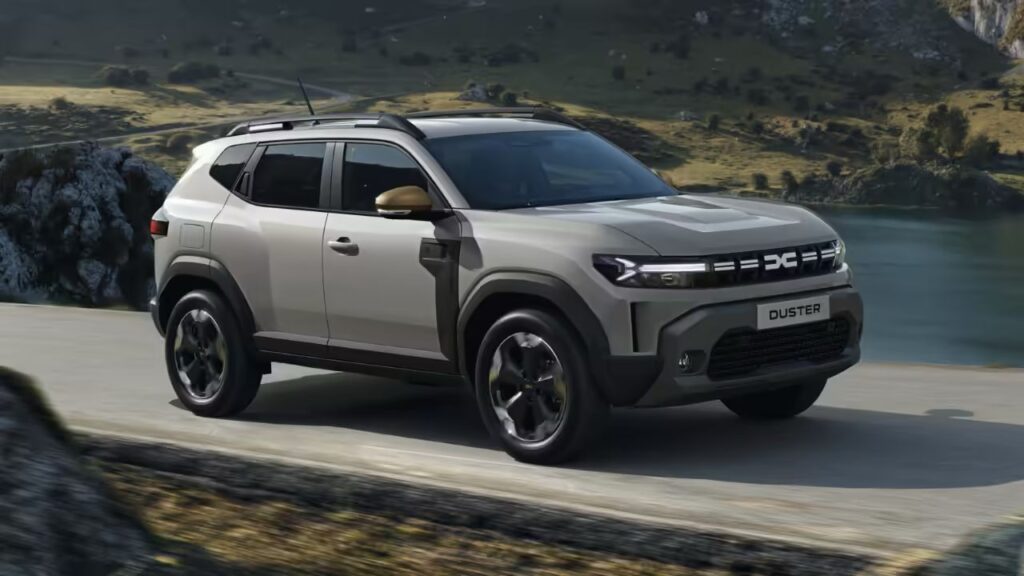
At the front, the Renault Duster 2026 will likely have a much more aggressive appearance. Expect a wider grille with a prominent logo, flanked by Y-shaped LED daytime running lights and sharp headlamps. The bumper design looks upright and sturdy, giving the SUV a commanding road presence, which Indian buyers appreciate.
The side profile clearly highlights the Duster’s SUV character. Squared wheel arches, thick body cladding, and high ground clearance give it a rugged, go-anywhere appearance. Unlike many modern SUVs that lean toward crossover styling, the Duster 2026 clearly resembles a true SUV. Roof rails, new alloy wheel designs, and a longer wheelbase further strengthen its stance.
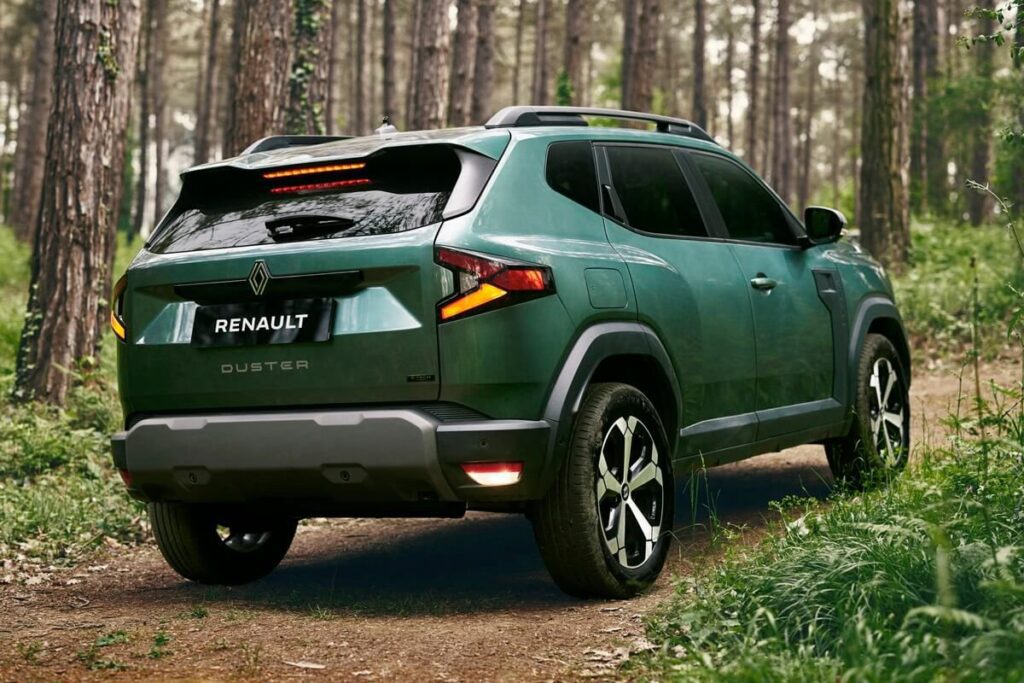
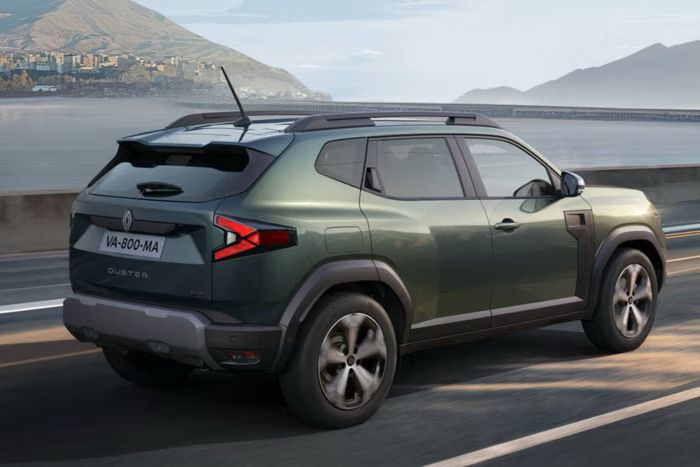
At the rear, the design should be clean yet tough. The tail-lamps may feature modern LED elements, while the tailgate looks upright and practical. The rear bumper is expected to be chunky, reinforcing the Duster’s readiness for off-road adventures.
Another key highlight is better aerodynamics without losing the feel of toughness. Renault has modernized the design while maintaining the Duster’s practical charm. This balance is crucial because many Indian buyers miss SUVs that feel solid mechanically, not just stylish.
Color choices are also likely to be more vibrant and youthful. Renault may offer dual-tone paint schemes, matte finishes, and fresh shades to attract younger buyers and lifestyle SUV fans.
In terms of size, the Renault Duster 2026 should be slightly larger than the current model, leading to more cabin space and improved road presence. However, it will likely remain compact enough for practical city driving.
Overall, the design update of the Renault Duster 2026 is one of its strongest features. It looks tougher, more premium, and much more modern than before, which is exactly what it needs to compete with current leaders in the segment. For buyers who appreciate rugged styling and true SUV character, the Duster 2026 could be one of the most visually appealing options in its class.
Interior Changes & New Features
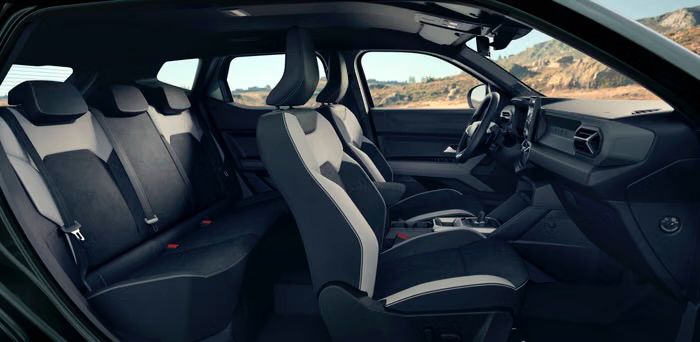
One of the main criticisms of the older Renault Duster in India was its outdated interior. This was especially noticeable when compared to newer competitors that had large touchscreens, digital displays, and better cabin materials. Renault seems to have taken this feedback seriously, as the interior of the Renault Duster 2026 is expected to be completely revamped.
Drawing from the newly revealed global Duster, the cabin is set to look much more modern, functional, and of higher quality than before. The dashboard layout should be cleaner and more horizontal, creating a wider and airier feel. Renault aims to emphasize rugged practicality with modern technology rather than just flashy design.
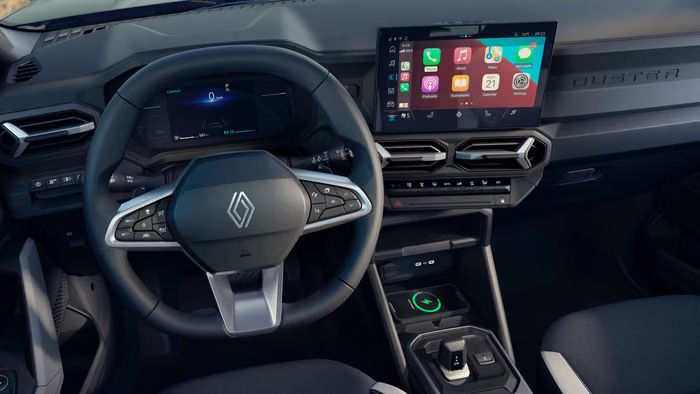
A key feature of the Duster 2026 interior will be a new touchscreen infotainment system located in the center of the dashboard. This screen is expected to support Android Auto and Apple CarPlay, along with connected car features such as navigation, vehicle health monitoring, and remote functions. Compared to the old Duster’s basic system, this will be a significant upgrade.
Behind the steering wheel, the instrument cluster is also likely to be modernized. A semi-digital or fully digital driver display may be available in higher trims, offering driving information, navigation prompts, and vehicle data in a clear and user-friendly way.
Renault is also expected to make significant improvements in material quality. While the Duster 2026 might not feel luxury-grade, the use of better plastics, textured surfaces, and improved fit and finish should give the cabin a more premium and durable feel. This aspect is crucial for Indian buyers who prioritize long-term usability over just looks.
Seating comfort has always been a strong point of the Duster, and that is likely to continue. The Renault Duster 2026 seats are set to provide better cushioning, improved support, and enhanced comfort for long journeys. Rear-seat passengers should experience more legroom and headroom due to the longer wheelbase.
In terms of features, the Duster 2026 may include:
- Automatic climate control
- Rear AC vents
- Wireless charging
- Keyless entry and push-button start
- Cruise control
- Improved sound system
Inside the cabin, storage spaces are expected to be practical and thoughtfully arranged, aligning with the Duster’s focus on utility.
Importantly, Renault is anticipated to find a balance between technology and durability. Unlike some SUVs that overload the cabin with screens, the Duster 2026 will likely keep physical buttons for essential controls—something many drivers still prefer.
In summary, the interior changes in the Renault Duster 2026 will finally align the SUV with modern expectations. It may no longer feel basic, but it will still keep the solid, no-nonsense character that Duster fans appreciate.
Engine & Performance – What’s Expected
One of the main reasons the Renault Duster gained a loyal following in India was its powerful engine performance and great ride-handling balance. Unlike many feature-rich SUVs today, the Duster concentrated on solid mechanics. Expectations for the Renault Duster 2026 are particularly high in this area.
For India, Renault is likely to select engines that balance performance, efficiency, and cost, considering local driving conditions.
The most probable engine option for the Indian market is a petrol engine, likely a turbo-petrol unit. This engine should provide better low-end torque and smoother performance compared to the older naturally aspirated engines. Given current market trends, Renault may position this engine to compete directly with petrol options from the Hyundai Creta and Kia Seltos.
There is also strong speculation about the return of a diesel engine since diesel SUVs still attract a dedicated customer base in India, particularly among highway users and buyers in rural or semi-urban areas. The previous Duster diesel was popular for its torque and fuel efficiency. If Renault brings back a refined diesel option, it could stand out in 2026.
Another exciting possibility is the introduction of a hybrid powertrain. Renault is investing heavily in electrification globally, and the CMF-B platform supports mild-hybrid and strong-hybrid systems. If Renault releases a hybrid Duster in India, it could attract buyers looking for better fuel efficiency without going fully electric.
The transmission options are likely to include a manual gearbox for enthusiasts and a modern automatic transmission for those who prefer convenience. Depending on the engine, Renault may offer CVT or dual-clutch automatic options to remain competitive.
Regarding driving dynamics, the Duster 2026 is expected to maintain its legacy of excellent ride quality. The older Duster was known for handling bad roads with ease, and this quality is likely to remain a key strength. The suspension setup is expected to be adjusted for Indian road conditions, providing comfort without sacrificing stability at high speeds.
Off-road capability, while not extreme, might still outperform most rivals. With good ground clearance and a robust chassis, the Duster 2026 could appeal to buyers who occasionally drive on rough terrain.
In summary, the Renault Duster 2026 engine and performance package is expected to focus on practical usability, comfort, and driving confidence, rather than just performance numbers. If Renault provides the right engine options, especially with diesel or hybrid variants, the Duster could once again become a favorite among driving enthusiasts and practical buyers.
Safety Features & Technology Enhancements
Safety is now a must-have in the Indian car market. It is especially important in the mid-size SUV segment. The older Renault Duster did not perform well in this area, and Renault knows it. The Renault Duster 2026 is set to improve significantly in safety and technology.
The new-generation Duster is designed to meet tougher safety standards globally. The India-spec model will benefit from this improved design. The CMF-B platform provides better structural strength, which should lead to better crash protection and overall safety.
The Renault Duster 2026 is expected to include these standard safety features:
- Multiple airbags (front and side as standard in higher trims)
- ABS with EBD
- Electronic Stability Control (ESC)
- Traction control
- Hill-start assist
- Rear parking sensors
These features are now essential in this segment. Renault will need to offer them in most variants to remain competitive.
Higher trims of the Duster 2026 may also feature safety and driver-assist technologies. While a full suite of ADAS might be limited to top models, features like:
- Lane departure warning
- Forward collision warning
- Automatic emergency braking (in select markets)
could be included. This is especially true if Renault aims to market the Duster as a modern, ready-for-the-future SUV.
If Renault introduces a hybrid variant, the price might go higher, possibly exceeding ₹20 lakh. However, this would also place the Duster among a limited group of hybrid SUVs in India, potentially giving it a unique advantage.
Child safety is another key focus. ISOFIX child seat mounts are expected to be standard, making the Duster more family-friendly. Strong door structures, seatbelt reminders for all passengers, and speed alerts will further improve safety.
On the technology side, the Duster 2026 is likely to feature better vehicle control and monitoring systems. It may include a tyre pressure monitoring system (TPMS), a 360-degree camera (in higher trims), and upgraded braking systems.
Crash test results will be watched closely. If the Renault Duster 2026 undergoes Global NCAP or Bharat NCAP testing, buyers will expect a strong rating. Renault will likely aim to position the Duster as a safe, sturdy SUV that meets or exceeds segment standards.
Crucially, Renault is expected to balance safety with cost. Instead of cramming the SUV with expensive tech, the focus will probably be on practical safety features that enhance everyday driving.
In summary, the Renault Duster 2026’s safety and technology upgrades should resolve one of the biggest issues of the previous model. If Renault provides strong safety features across variants, the Duster will become a more appealing choice for families and long-distance travelers in India.
Expected Price in India
Pricing will be a crucial factor in the success of the Renault Duster 2026 in India. Although the Duster has a strong history, the Indian market in 2026 will be highly competitive. Renault must avoid mispricing its comeback SUV.
Considering global positioning, platform upgrades, and expected features, the starting price of the Renault Duster 2026 in India will likely fall within the mid-size SUV range. Industry expectations suggest an ex-showroom starting price between ₹11 and ₹12 lakh, with higher variants reaching around ₹18 to ₹19 lakh, depending on engine options and features.
This pricing will put the Duster up against segment leaders like the Hyundai Creta, Kia Seltos, Maruti Grand Vitara, Toyota Hyryder, and new SUVs from Tata and Mahindra. To compete well, Renault must ensure that the Duster provides strong value, not just in terms of features, but also in driving experience and safety.
Lower variants of the Duster 2026 are expected to focus on essential features and solid mechanics. This makes them appealing to buyers who prioritize performance and ride quality over flashy technology. If priced aggressively, these variants could attract enthusiasts and highway users.
Mid and top variants will likely justify their higher price with:
- Larger infotainment screens
- Connected car technology
- Better interior materials
- Strong safety features
- Automatic transmission options
One important lesson Renault has learned from the past is that Indian buyers are very sensitive to price. Even a small premium over competitors must come with clear benefits. Renault is expected to focus on local production to keep costs manageable and maintain competitive pricing.
Brand perception will also affect pricing. As Renault rebuilds its image in India, setting the Duster’s price too high could turn potential buyers away. A competitive introductory price could help Renault regain trust and quickly attract attention.
In summary, the expected price of the Renault Duster 2026 in India will play a key role in its return. If Renault manages to find the right balance between price, features, and performance, the Duster could become a strong player in the mid-size SUV market once again.
Competitor Landscape – Duster vs Rivals
The success of the Renault Duster 2026 in India will depend on how well it competes against some of the toughest rivals in the mid-size SUV segment. This is one of the most crowded categories in the Indian car market, dominated by established brands with loyal customers.
Hyundai Creta
The Hyundai Creta is currently the leader in this segment and poses the biggest challenge for the Duster 2026. The Creta stands out with its premium interiors, extensive features, refined petrol and diesel engines, and a strong service network. However, many buyers believe the Creta emphasizes comfort and features over ruggedness. This is where the Duster can set itself apart by providing better ride quality, a tougher build, and a more traditional SUV driving experience.
Kia Seltos
The Kia Seltos attracts buyers with its sporty design, modern technology, and various engine options. It appeals strongly to urban drivers and younger customers. However, compared to the Duster, the Seltos feels more like a crossover than a true SUV. The Duster 2026 can establish itself as a straightforward, mechanically sound choice for buyers who value driving confidence over flashy features.
Maruti Grand Vitara & Toyota Hyryder
These two SUVs lead the hybrid market, known for their excellent fuel efficiency and strong brand loyalty. Their main advantages are low running costs and high resale values. However, they lack diesel engines and may not be as fun to drive. If Renault offers a diesel or hybrid Duster with improved performance, it could attract buyers who want efficiency without giving up driving enjoyment.
Tata Harrier & Upcoming SUVs
The Tata Harrier is slightly larger and pricier than the Duster, but it appeals to buyers with its strong road presence and safety reputation. New SUVs from Mahindra and other brands will intensify competition even more. In this landscape, the Duster’s success will rely on clear positioning and competitive pricing.
Where Duster 2026 Can Win
The biggest opportunity for the Renault Duster 2026 is to offer:
- Superior ride comfort on rough roads
- Strong engine options, especially diesel or hybrid
- A genuine SUV character instead of crossover styling
If Renault can effectively communicate these strengths, the Duster can find its own niche rather than competing solely based on features.
In conclusion, the battle between the Renault Duster 2026 and its rivals will be challenging but achievable. With the right pricing and positioning, the Duster can attract buyers who miss the authentic SUV feel and driving confidence in today’s features-focused market.
Why Duster 2026 Matters for Indian Buyers
The Renault Duster 2026 is more than just another SUV launch. It marks a potential return of a beloved nameplate that once set the standard for compact SUVs in India. For many buyers, the Duster symbolizes durability, comfort, and strong driving performance. Its return is significant as it addresses a growing gap in the current SUV market.
Today’s mid-size SUV segment is full of feature-laden vehicles that focus on design, screens, and technology. While these features are important, many buyers believe that true SUV qualities like ride comfort, road stability, and mechanical strength have taken a back seat. The Duster 2026 has the chance to restore that balance.
One major reason the Duster matters is its ride quality. The previous Duster was known for its ability to handle poor road conditions with ease. If Renault keeps this strength in the 2026 model, it will stand out in a segment where many SUVs feel stiff or overly refined for city driving.
Another important aspect is engine choice. If Renault offers a diesel or hybrid powertrain, it will strongly attract highway users, rural buyers, and long-distance travelers—groups that often feel overlooked by the current focus on petrol engines.
The Duster 2026 is also important because it can provide a driver-focused alternative. While competitors emphasize features and comfort, the Duster has always prioritized driving confidence and stability. This trait appeals to enthusiasts and experienced drivers looking for a car that feels grounded and reliable.
For Indian buyers who value long-term ownership, the Duster’s reputation for durability is comforting. A well-built SUV that can manage rough roads and heavy use without frequent problems is still highly appreciated, especially outside major cities.
Finally, the Duster’s return could boost competition, benefiting consumers in the long run. A strong Duster pushes rivals to enhance ride quality, engine options, and pricing.
In short, the Renault Duster 2026 matters because it has the potential to bring back true SUV values—comfort, toughness, and confidence—into a market increasingly focused on style and technology.
Final Verdict – Should You Wait for the Duster 2026?
The Renault Duster 2026 is set to be one of the most awaited SUV launches in the Indian market in recent years. Its return is not just about excitement; it reflects a real need for an SUV that focuses on ride comfort, durability, and everyday performance instead of flashy features. After looking at all factors, it’s clear that the Duster’s comeback could be timely and relevant if Renault handles it well.
If you prioritize driving confidence and comfort on poor roads, the Duster 2026 might be worth the wait. Renault’s updates indicate a more modern SUV, with better interiors, improved safety features, and more efficient engines. If these upgrades are successfully applied to the India-spec model, the Duster should fix the issues that caused its earlier departure.
Buyers who often travel long distances or drive on rough terrain may particularly appreciate the Duster’s expected suspension setup and engine tuning. Unlike many SUVs focused on city driving, the Duster could offer a well-rounded driving experience that works well in both urban areas and on highways.
However, there are a few factors to keep in mind before deciding to wait. Renault’s success will strongly hinge on pricing and after-sales service. If the Duster 2026 is priced too closely to established competitors without distinct advantages, it may face challenges again. Additionally, Renault needs to ensure robust dealership and service support to restore buyer confidence.
For buyers looking for immediate options with proven reliability and resale value, existing segment leaders may still seem like safer bets. But for those willing to wait and seeking something different, the Duster 2026 shows real promise.
So, should you wait?
Yes, wait for the Renault Duster 2026 if:
- You value ride quality and comfort
- You prefer a rugged SUV character over flashy features
- You are open to petrol, diesel, or hybrid options
- You want a practical, straightforward SUV
In conclusion, the Renault Duster 2026 has the potential to regain its status as a driver-focused, tough SUV in India. If Renault gets the essentials right, the Duster’s return could signal the revival of an icon that many Indian buyers have been looking forward to.